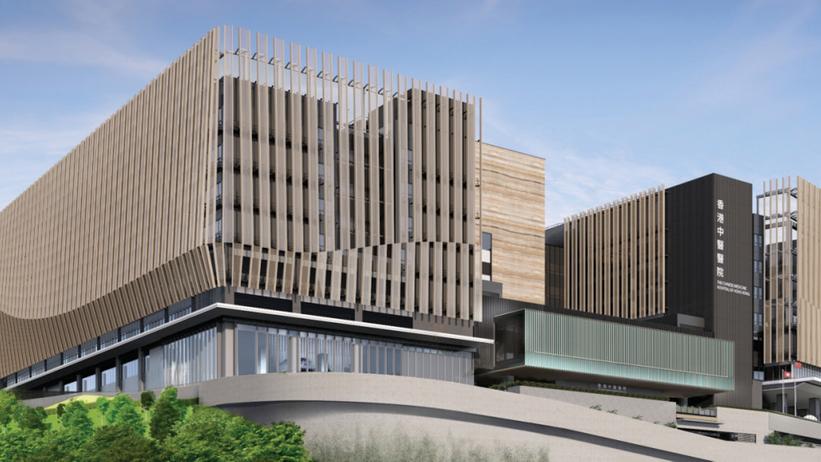
Hong Kong is strategically advancing its role as an international nexus for the modernization and global integration of Traditional Chinese Medicine (TCM), leveraging its unique position as a bridge between Eastern medical traditions and Western healthcare standards. The movement gains momentum as patients worldwide increasingly seek integrative approaches to healthcare, particularly following the COVID-19 pandemic.
Case studies demonstrate TCM’s practical benefits: individuals like Chris Li, who experienced persistent long COVID symptoms despite negative test results, found significant relief through TCM treatments tailored to specific symptom patterns. Such successes illustrate the growing recognition of TCM’s complementary advantages alongside Western medical approaches.
The Hong Kong Special Administrative Region government has implemented substantial policy measures to support this development. Chief Executive John Lee Ka-chiu’s 2025 Policy Address introduced the Chinese Medicine Hospital of Hong Kong and the permanent Government Chinese Medicines Testing Institute facility, representing over 60,000 square meters of dedicated infrastructure that commenced initial operations last month.
Concurrently, the government launched the Chinese Medicine Development Blueprint, outlining comprehensive short, medium, and long-term strategies for industry advancement. This document represents Hong Kong’s first dedicated policy framework for TCM development, emphasizing enhanced regulatory standards and global healthcare integration.
Modernization efforts focus on technological innovation, including AI-driven data analysis for treatment optimization, advanced extraction methods for rare medicinal materials, and digital transformation of traditional practices into evidence-based frameworks. Experts like Shen Qianyi note that modernization encompasses not only technological advancements but also evolving public perception and growing cultural confidence in TCM’s relevance.
The Greater Bay Area collaboration emerges as a critical catalyst, with streamlined registration processes for Hong Kong and Macao medicines on the mainland and policies encouraging cross-border practice by TCM professionals. Market data reveals the mainland accounts for over 70% of Hong Kong’s proprietary Chinese medicine exports, representing a market exceeding 450 billion yuan ($64.49 billion).
Despite these advancements, challenges remain in achieving global recognition, particularly regarding differences between TCM’s theoretical frameworks and Western evidence-based medicine standards. Hong Kong’s internationally recognized healthcare standards and new specialized facilities position the city to address these challenges while facilitating TCM’s global dissemination.