The BRICS alliance is confronting a severe test of its global credibility and internal cohesion following its collective silence on Israel’s targeted killing of Iranian Supreme Leader Ayatollah Ali Khamenei, which resulted in over 550 casualties including 165 children. Despite comprising eleven nations positioning themselves as leaders of the Global South, the bloc has failed to issue any unified statement regarding the attack on its permanent member Iran, which joined the grouping in 2024.
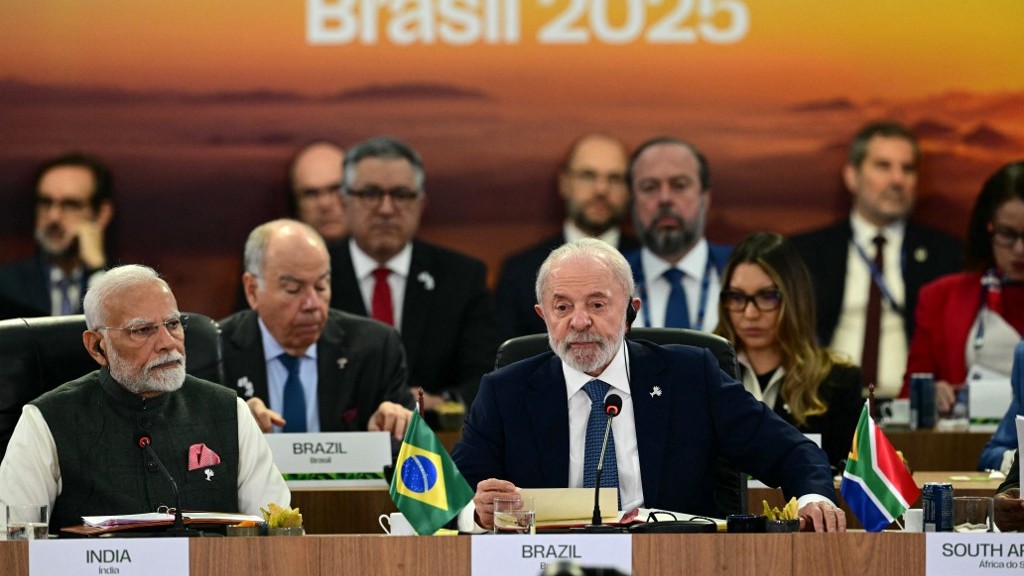
Analysts reveal deep divisions within the alliance, particularly highlighting India’s complicating role as current BRICS chair. New Delhi recently elevated its relationship with Israel to a ‘special strategic partnership’ and condemned Iran’s retaliatory strikes against the United Arab Emirates—another BRICS member. This alignment with Israeli interests directly contrasts with positions taken by other core members including China, Russia, Brazil and South Africa, all of which individually condemned Khamenei’s assassination.
Priyal Singh, senior researcher at the Institute for Security Studies, notes that India’s visible solidarity with Israeli leadership and Iran’s attacks on UAE territories have created nearly insurmountable barriers to consensus. The bloc’s institutional design, which makes collective decisions non-binding, combined with significant bilateral trade relationships with Israel across multiple member states, further paralyzes unified action.
Experts suggest economic interests ultimately outweigh geopolitical solidarity. Patrick Bond of the University of Johannesburg contends that BRICS nations’ corporate profiteering in Israel will likely prevent meaningful support for Iran, drawing parallels to similar inaction regarding Venezuela and Cuba. This economic pragmatism undermines the bloc’s purported role as a counterweight to Western hegemony.
The expansion from five to eleven members in 2024-2025—adding Iran, UAE, Egypt, Ethiopia, Saudi Arabia, and Indonesia—has dramatically complicated decision-making processes. Emerging Middle Eastern power axes centered around UAE and Saudi interests further fracture potential unity, particularly with Iran potentially weakened. With the next summit scheduled for New Delhi in September, the bloc’s perceived inability to protect its members may fundamentally damage its international standing and internal trust.