RIO DE JANEIRO, BRAZIL – A weeks-long political standoff in one of Brazil’s most high-profile states has been extended, after the country’s Supreme Court announced a last-minute delay Thursday to a critical ruling on who will assume the Rio de Janeiro governorship. The vacancy, which opened three weeks ago, has left the state’s urgent policy matters, from public security funding to transit infrastructure and fuel pricing, in the hands of an interim caretaker with limited mandate to act.
The opening for the governorship was created by law on March 23, when incumbent Cláudio Castro stepped down to launch his campaign for a Senate seat in Brazil’s October general election, a requirement under Brazilian electoral law. What was meant to be a straightforward succession has instead devolved into chaos, as every constitutionally next-in-line candidate is unable to take office.
Thiago Pampolha, Castro’s former deputy governor, would have been the automatic replacement, but he resigned from the deputy role earlier in 2025 to take a position at a state government oversight agency, disqualifying him from the succession. The next candidate in line is Rodrigo Bacellar, speaker of the Rio state legislature, who was recently arrested on corruption charges and removed from his public post.
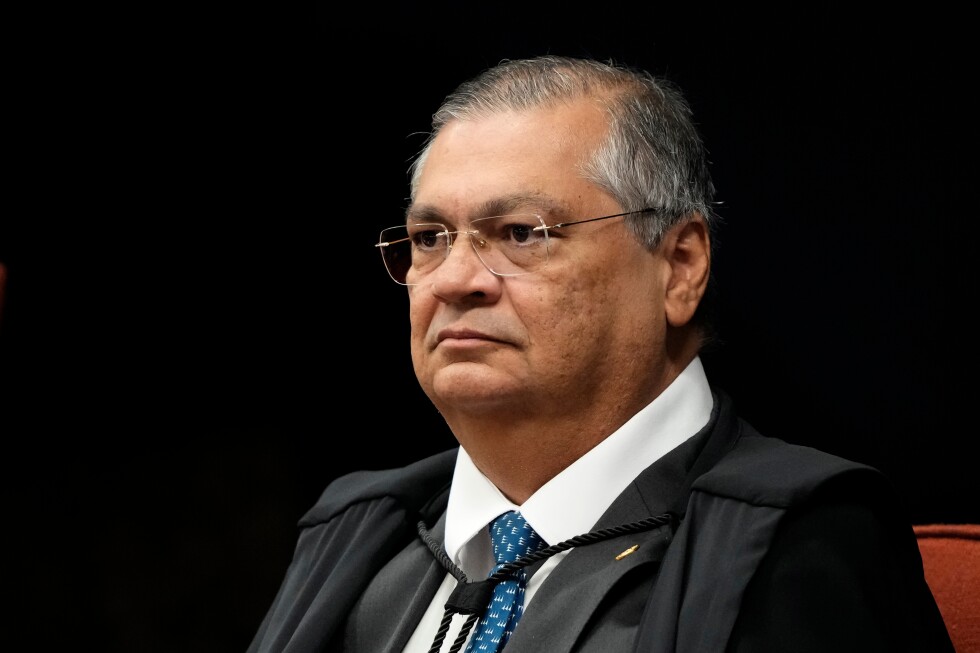
The Supreme Court’s delay came after Justice Flávio Dino requested additional time to review the central legal question of the case: whether Castro’s interim replacement, who will serve only until January 2026, should be selected by a special early popular election or appointed by the state’s historically scandal-plagued legislative body. Dino will have up to 90 days to complete his review and return the case for a final court ruling. As of Thursday’s partial vote, the 10-member court is split 4-1 in favor of an appointment by the state legislature, with the remaining votes yet to be finalized.
Currently, the top justice of Rio’s state judiciary, Ricardo Couto de Castro, is serving as acting governor on an emergency basis. Local media reports indicate that the interim role was never intended to be long-term, leaving Couto de Castro facing major pushback from state administrative officials who are unwilling to commit to major policy decisions under an unelected temporary leader.
Notably, a new permanent governor will not take office until January regardless of the Supreme Court’s ruling, as Rio voters are already scheduled to elect their next full-term leader as part of October’s national general election. But the months-long leadership vacuum has already created tangible harm for Rio residents, political analysts warn.
Thomas Traumann, a veteran political consultant and former Brazilian government minister, called the prolonged uncertainty not just a national embarrassment, but a public risk. “The federal government recently reached an agreement to bring down sky-high diesel prices, which have spiked because of ongoing conflict in the Middle East,” Traumann explained. “Rio is one of the only states that has not been able to sign on to the deal, because there is no sitting governor with the authority to approve it. That means Rio will now have the most expensive diesel in all of Brazil.” He added that the vacuum leaves the state vulnerable to security crises: “If criminal gang violence erupts tomorrow, who has the authority to order police to respond?”
Local media also added that justices within Rio’s state judiciary are growing increasingly concerned that their core work will grind to a halt, as their leader is tied up managing the entire state’s executive branch with no clear end to his interim tenure in sight.
The succession dispute has already become tangled up in national political tensions, with major partisan actors lining up behind opposing outcomes. Sen. Flávio Bolsonaro, son of former Brazilian President Jair Bolsonaro and a prominent conservative voice ahead of October’s election, has publicly pushed for the legislature to appoint state lawmaker Douglas Ruas to the interim post. On the opposing side, supporters of current President Luiz Inácio Lula da Silva — and Lula’s endorsed candidate for Rio governor, Eduardo Paes — have argued that the vacancy requires a direct popular vote to fill the interim role.