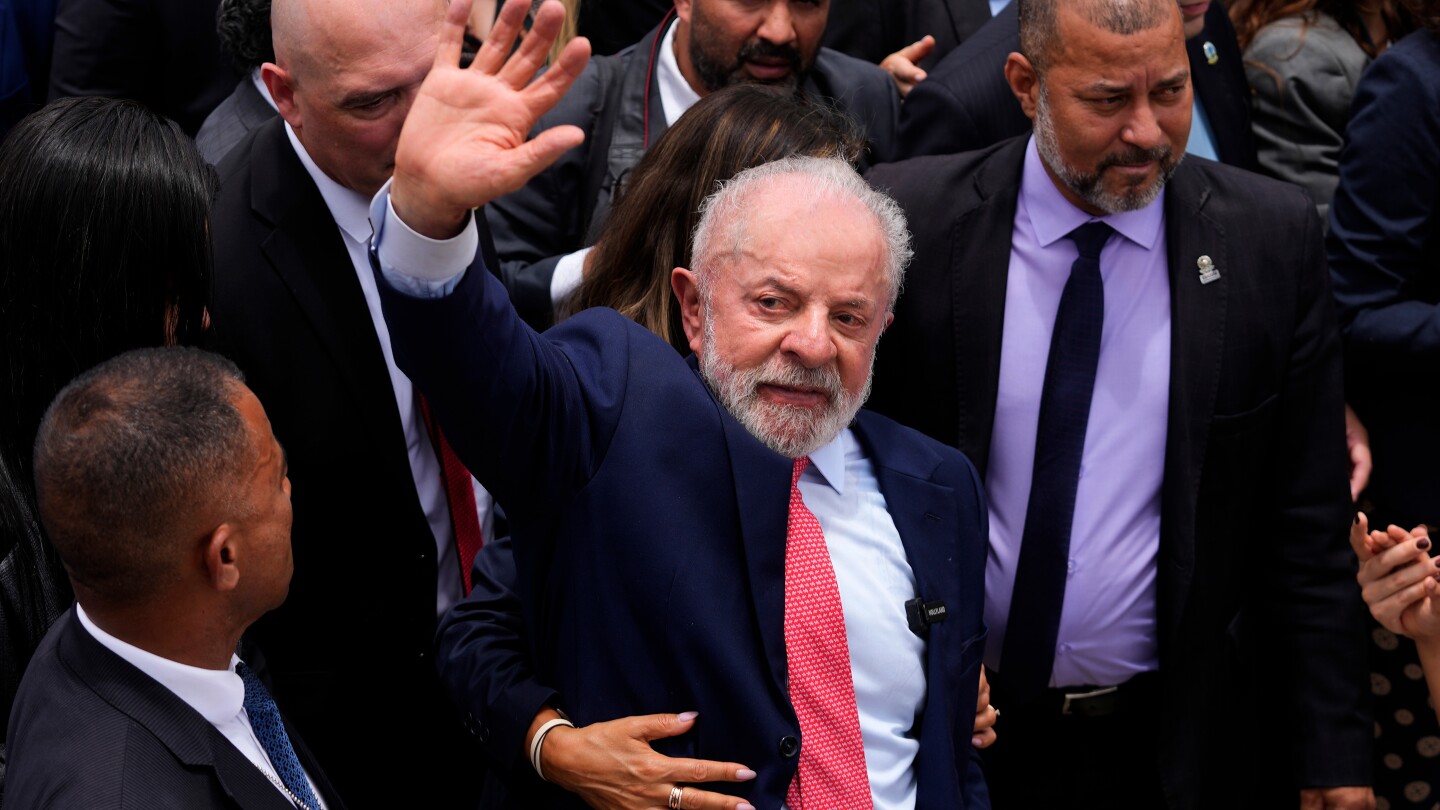
In a decisive move with profound political implications, Brazilian President Luiz Inácio Lula da Silva has exercised his executive authority to veto legislation that would have substantially reduced the 27-year prison sentence of his predecessor, Jair Bolsonaro. The controversial bill, which had been approved by the Senate in December, sought to reclassify the crime of attempted coup d’état, effectively shortening sentences for those convicted in connection with the January 2023 insurrection.
The presidential veto was announced during a solemn ceremony at the Planalto Palace in Brasília, strategically timed to coincide with the third anniversary of the violent riots orchestrated by Bolsonaro’s supporters. These events resulted in significant damage to government buildings and ultimately formed the evidentiary foundation for the prosecution of the former far-right leader.
President Lula delivered a powerful address to assembled members of Brazil’s three governmental branches, emphasizing the historical significance of preserving democratic memory. “We don’t have the right of forgetting our past. That’s why we don’t accept dictatorships, civilian or military,” Lula declared, characterizing January 8th as “the day of our democracy’s victory against those who tried to seize power through force.”
While Brazil’s Congress retains the constitutional authority to override the presidential veto, political analysts suggest such action would carry considerable risk for lawmakers facing general elections in October. The 80-year-old leftist president currently leads polling projections, potentially setting the stage for an electoral confrontation with Senator Flávio Bolsonaro, one of the former president’s sons.
The political context underscores the deep divisions within Brazilian society. Lula narrowly secured his third presidential term against Bolsonaro, who was subsequently rendered ineligible for office until 2030 due to documented abuses of power during his campaign. With Bolsonaro’s imprisonment commencing in November for his attempted coup conviction, his potential return to politics has been further delayed until 2033, with additional legal cases still pending.
Notably absent from the ceremony were lower house speaker Hugo Motta and Senate president Davi Alcolumbre, highlighting the ongoing political tensions. The 2023 riots, frequently compared to the January 6th Capitol insurrection in the United States, resulted in substantial damage to congressional buildings.
Had the legislation been enacted, it would have allowed Bolsonaro’s coup attempt charge to be absorbed into a lesser offense, significantly reducing his prison term. The measure would have similarly benefited other individuals convicted in connection with the failed insurrection, potentially reducing their sentences by up to two-thirds.
Bolsonaro’s legal representatives have previously petitioned for his transfer to house arrest, citing concerns about the former president’s deteriorating health condition. His medical history includes multiple hospitalizations since surviving a stabbing attack by a mentally ill assailant during the 2018 election campaign. Neither Bolsonaro nor his legal team have issued any public statements regarding President Lula’s veto decision.