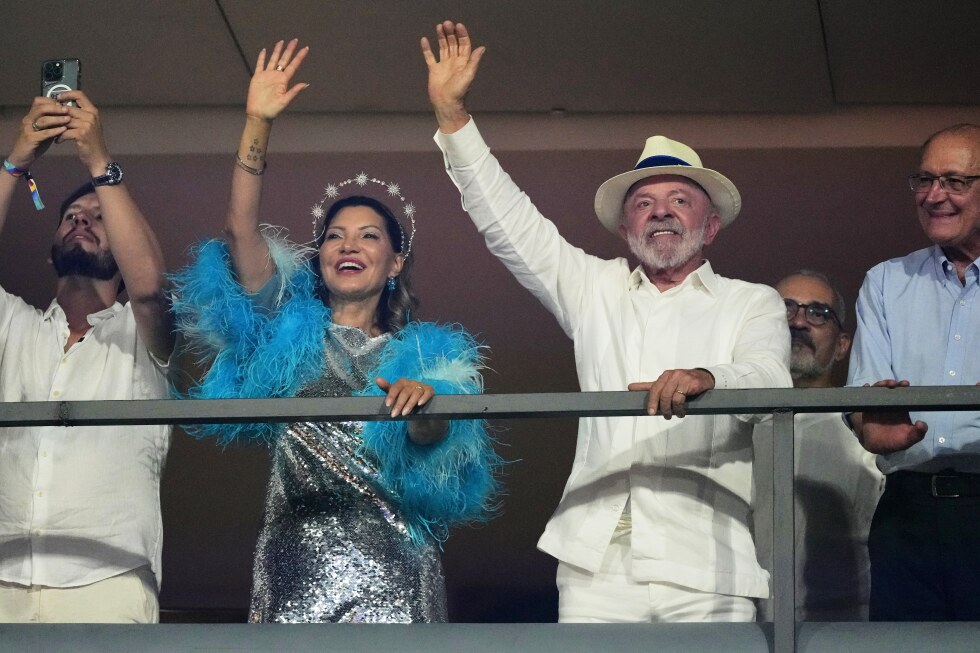
RIO DE JANEIRO — A spectacular Carnival parade honoring Brazilian President Luiz Inácio Lula da Silva at Rio’s Sambadrome has ignited political controversy and potential legal ramifications six months before the October elections. The event, organized by top samba school Academicos de Niteroi, celebrated Lula’s journey from childhood poverty to becoming one of Latin America’s most influential leaders through elaborate floats, costumes, and musical tributes.
The president, accompanied by Vice President Geraldo Alckmin and their wives, attended the celebration despite warnings from legal analysts about potential electoral violations. The parade’s central theme focused on Brazil’s northeast region—Lula’s birthplace—with organizers insisting the tribute was cultural rather than political. Tiago Martins, the parade’s chief organizer, stated they presented their vision to Lula months in advance and denied any campaign intentions in the school’s lyrics or displays.
Political adversaries have condemned the event as premature campaigning, filing complaints with Brazil’s electoral court. Critics argue that samba schools receiving public funding should not engage in political tributes, especially during an election year. Lawmaker Kim Kataguiri led efforts to block the parade, asserting that public money should not fund “electoral campaigns disguised as tributes.”
While Brazil’s top electoral court rejected preemptive censorship attempts, judges reserved the right to review potential violations after the event. Political analysts note that the tribute carries significant risks for Lula, potentially alienating moderate and evangelical voters who oppose mixing Carnival with politics. The event also occurs as leadership of the electoral court prepares to transition to Supreme Court Justice Kássio Nunes, appointed by Lula’s rival Jair Bolsonaro.
Recent polls indicate a tightly contested race between Lula and his primary opponent, Senator Flávio Bolsonaro, making any electoral violations potentially consequential through fines or loss of campaign resources.