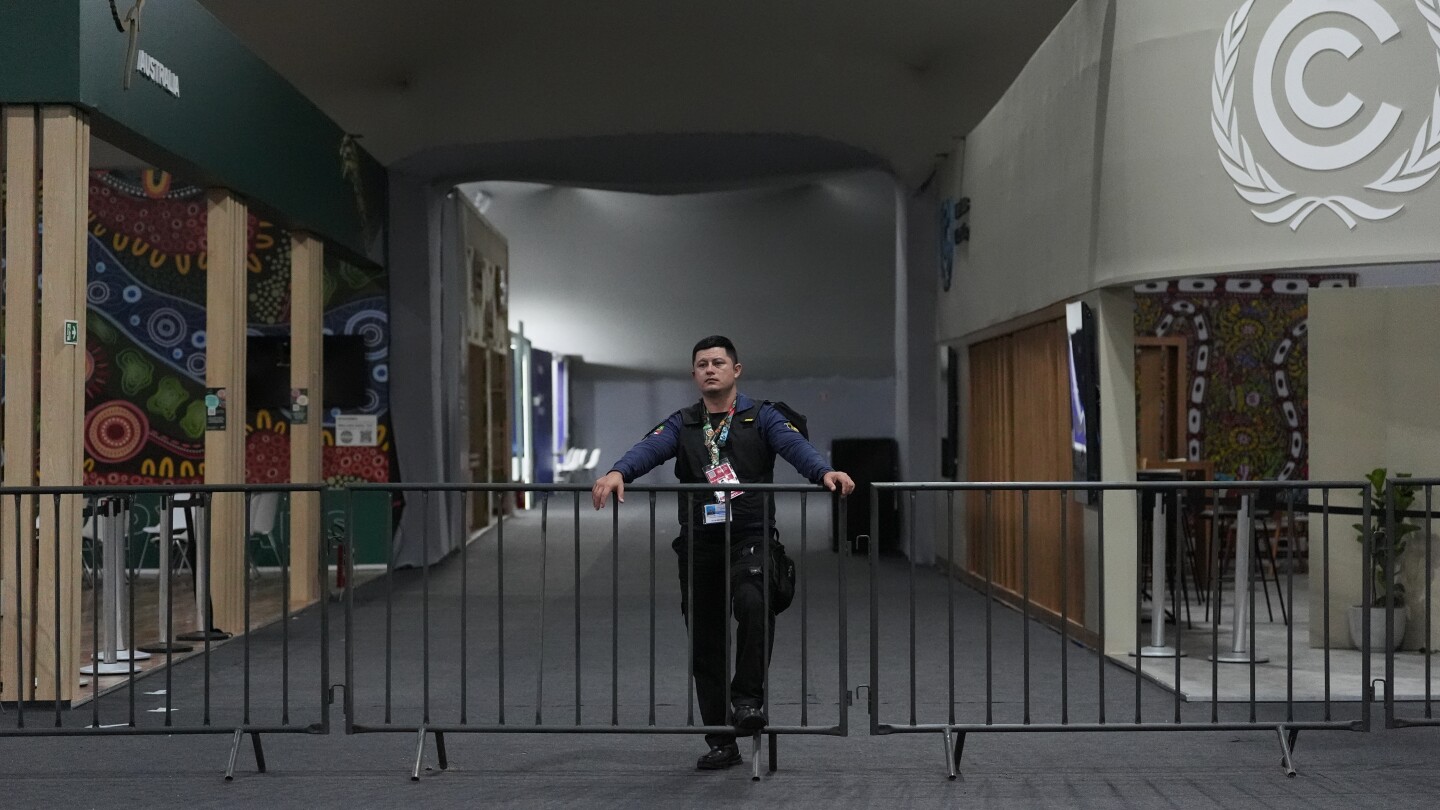
BELEM, Brazil — The final day of the United Nations climate talks, COP30, was marked by controversy as Brazil, the host nation, presented several key proposals that notably omitted explicit references to fossil fuels, the primary driver of global warming. This glaring exclusion drew sharp criticism from over two dozen nations and climate advocates, who expressed deep disappointment and frustration. The omission came amidst heightened tensions following a fire that erupted on Thursday in the conference pavilions, leading to evacuations and 13 individuals being treated for smoke inhalation. Brazil’s central proposal, the ‘mutirao decision,’ addressed four critical issues: climate financial aid, strengthening inadequate national climate plans, and the global transition to low greenhouse gas emissions. However, it failed to provide a detailed roadmap for phasing out fossil fuels, a key demand from more than 80 nations and Brazilian President Luiz Inácio Lula da Silva. A coalition of 29 countries, including the United Kingdom, France, Germany, and vulnerable island nations like Palau and Vanuatu, drafted a letter condemning the proposal as insufficient. Activists, including Greenpeace’s Tracy Carty and Oil Change International’s Bronwen Tucker, echoed these sentiments, labeling the text as weak and vague. The talks, initially set to conclude on Friday, are likely to extend as negotiators seek consensus on these contentious issues.
Brazil’s final text proposal at UN climate talks draws fire as weak — after a real fire at the COP30