SAO PAULO — In a landmark decision, Brazil’s Senate has given unanimous approval to the monumental free-trade agreement between the Mercosur trade bloc and the European Union, signaling a major advancement toward the pact’s implementation. This decisive move follows similar ratification by Brazil’s lower house and positions the agreement closer to realization than at any point in its quarter-century negotiation history.
The agreement, which would create an integrated market encompassing over 700 million consumers, represents one of the most significant trade partnerships globally. With Argentina and Uruguay having previously ratified the deal, and Paraguay expected to follow shortly, the Mercosur bloc demonstrates unified progress. Bolivia, as the newest Mercosur member, retains the option to join the agreement in subsequent years despite not participating in initial negotiations.
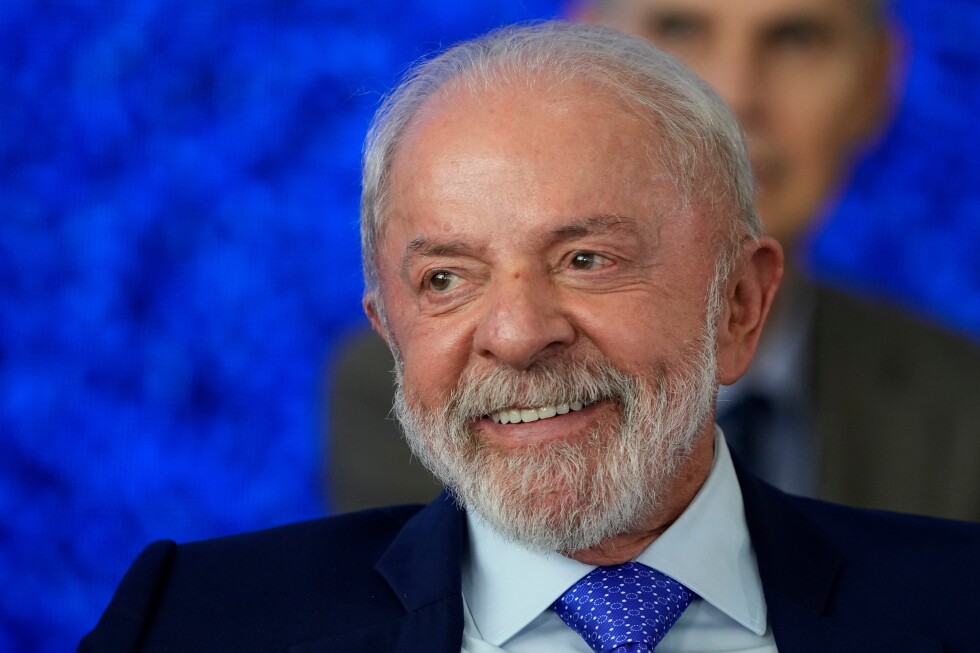
Brazil, as Mercosur’s dominant economy with a projected GDP exceeding $2.3 trillion by 2025, has been instrumental in advancing the agreement. President Luiz Inácio Lula da Silva emerged as a pivotal advocate for the pact, which still requires validation from the European Union’s top court before full implementation.
European Commission President Ursula von der Leyen has repeatedly acknowledged President Lula’s diplomatic efforts in overcoming European opposition. The combined economic power of the participating nations amounts to approximately $22 trillion in GDP, underscoring the agreement’s global significance.
Despite legal proceedings in Europe, Brazilian officials including Vice President Geraldo Alckmin indicate the agreement could partially take effect within months—a timeline von der Leyen supports. Senate President Davi Alcolumbre characterized the ratification as demonstrating “institutional maturity” and alignment with Brazilian societal interests.
The trans-Atlantic trade pact, formally signed on January 17 after 25 years of stalemate, faces continued resistance from European agricultural sectors concerned about competitive imbalances. Recent months have witnessed tractor-blocking protests and firework demonstrations by European farmers in Brussels opposing the agreement.
French President Emmanuel Macron, among the pact’s most prominent critics, has insisted on implementing robust safeguards against economic disruption, enhanced regulatory standards in Mercosur nations regarding pesticide usage, and intensified import inspections at EU ports.