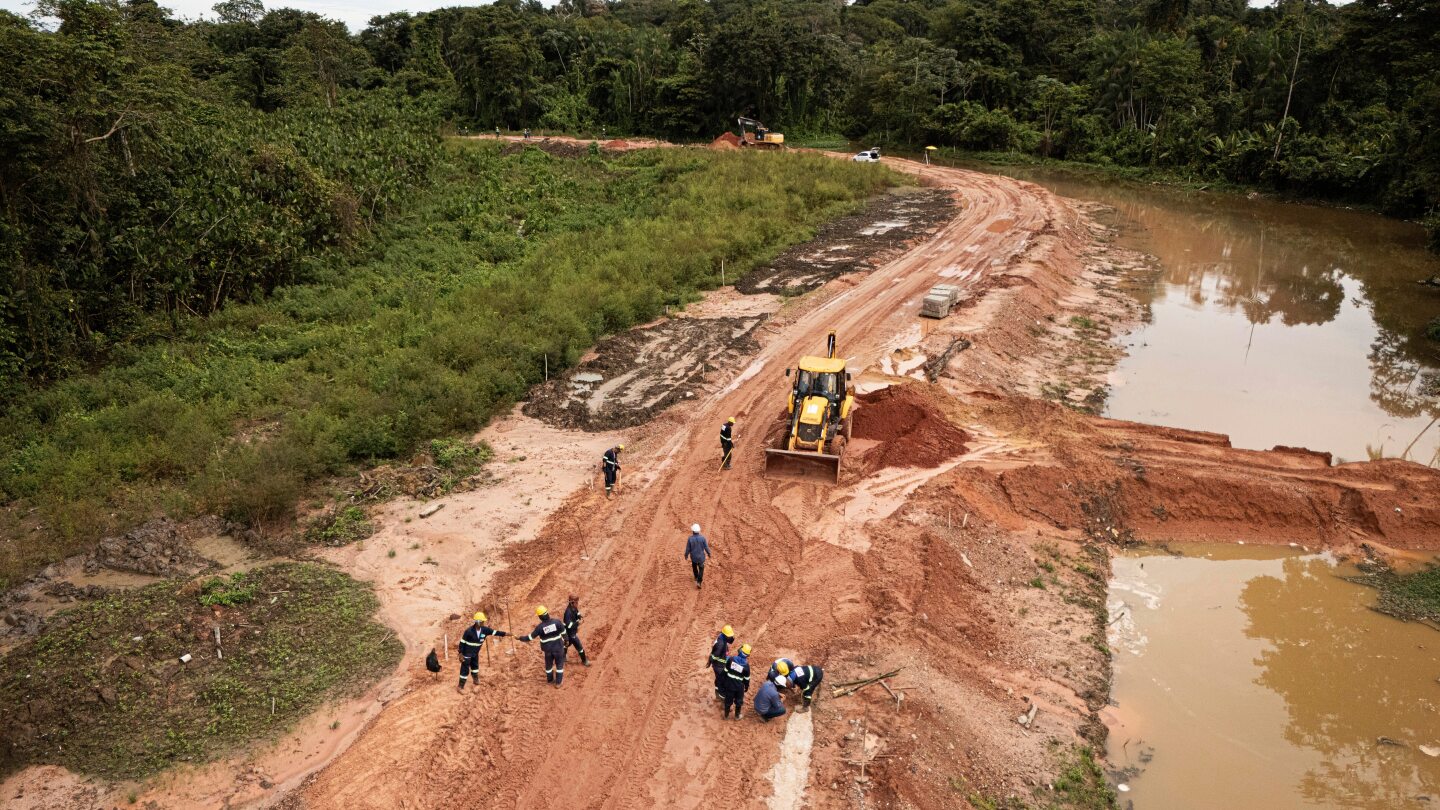
In a significant environmental development, Brazil’s Amazon rainforest saw an 11% reduction in deforestation from August 2024 to July 2025, according to government data released on Thursday. Despite this progress, the region faced record-breaking wildfires and severe drought, as reported by Brazil’s National Institute for Space Research (INPE). Approximately 5,796 square kilometers (2,238 square miles) of forest were cleared during this period—an area nearly four times the size of New York City—marking the lowest deforestation level in nearly a decade. The Environment Ministry attributed this decline to enhanced environmental enforcement, expanded satellite monitoring, and improved coordination among federal agencies. This announcement comes just weeks before Brazil hosts the COP30 U.N. climate summit in Belem, where the country is expected to showcase its commitment to ending illegal deforestation by 2030. However, INPE also reported that fire detections in the Amazon from January through October 2025 reached their highest levels since 2010. Widespread burning and prolonged drought have caused severe air pollution in northern Brazil, leading to flight cancellations and health warnings in states like Amazonas and Para. Experts warn that these fires, often used to clear deforested land, could undermine recent conservation efforts. Brazil’s environmental enforcement agency, Ibama, conducted 9,540 inspections this year—a 38% increase from 2024—issuing $520 million in fines and seizing over 4,500 pieces of machinery and livestock linked to illegal activities. Additionally, over 75 civil lawsuits were filed against deforestation and illegal burning cases. Márcio Astrini of the Climate Observatory highlighted the progress but criticized the government’s contradictory policies, such as approving oil drilling projects in the Amazon River basin. Greenpeace Brazil welcomed the results but emphasized the need for permanent safeguards and stronger global cooperation to ensure lasting progress.
Brazil’s Amazon deforestation falls 11% even as fires surge to record levels