SAO PAULO — Brazilian authorities have initiated a sweeping law enforcement operation targeting a sophisticated financial crime network within the nation’s fuel industry. The operation, launched Thursday, represents one of the most significant actions against organized financial crime in recent years.
Federal police executed 126 search and seizure warrants across five Brazilian states, targeting individuals and corporate entities allegedly involved in a massive tax evasion and money laundering scheme. According to Brazil’s Federal Revenue Service, the organization under investigation constitutes the country’s largest tax debtor, with outstanding liabilities exceeding 26 billion reais (approximately $4.8 billion).
The criminal network employed a complex web of domestic companies, investment vehicles, and offshore entities to conceal illicit profits. While officials have not publicly identified specific targets, local media reports indicate the investigation centers around Grupo Fit, a prominent fuel refinery conglomerate. The company has not responded to media inquiries regarding the operation.
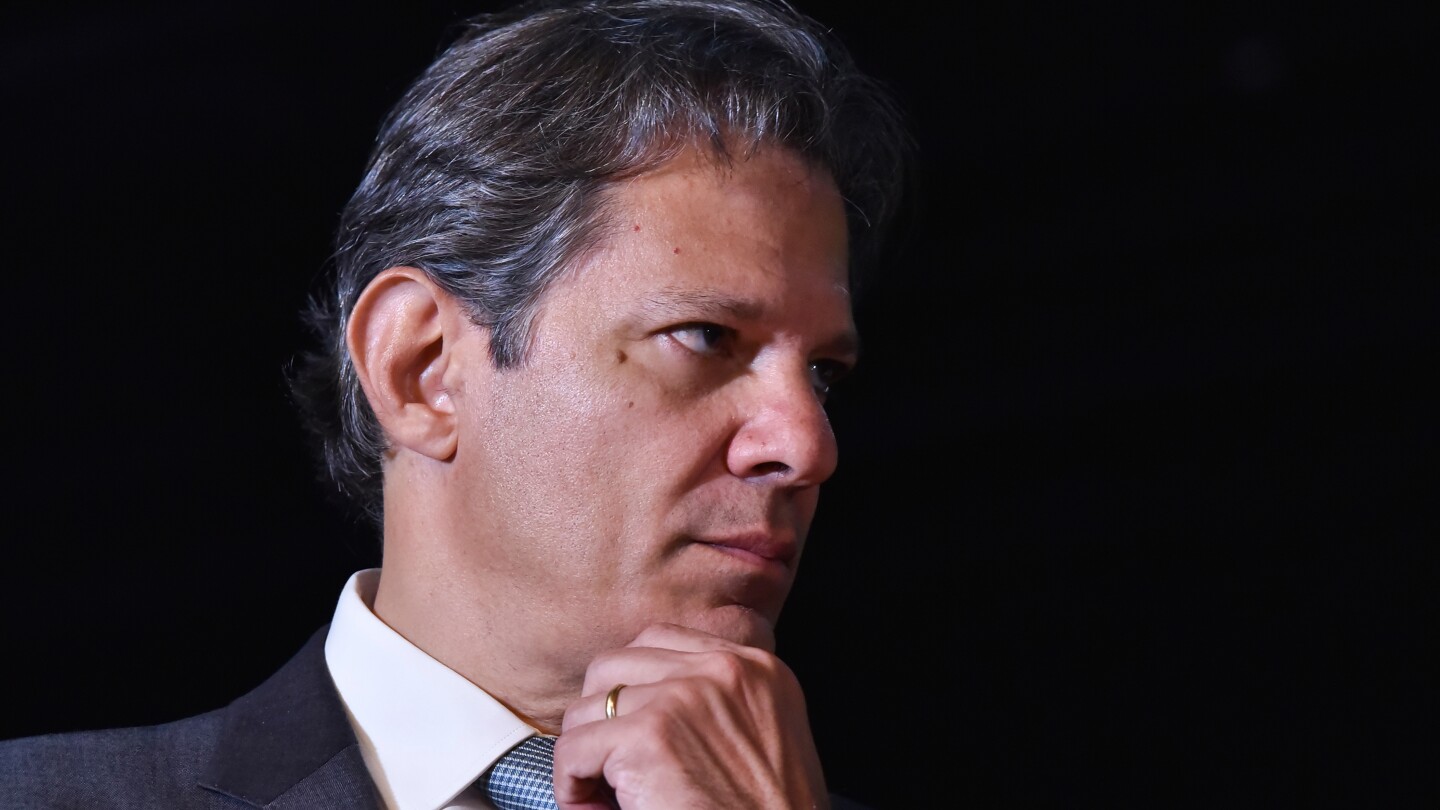
Finance Minister Fernando Haddad characterized Thursday’s actions as a continuation of recent efforts to dismantle criminal elements within Brazil’s fuel supply chain. This latest operation follows August revelations where authorities identified 40 fuel-sector investment funds allegedly used to hide assets for members of the Primeiro Comando da Capital (PCC), Brazil’s most powerful organized crime syndicate.
Investigators have uncovered a sophisticated capital flight pattern involving U.S.-based entities. Federal authorities identified more than 15 offshore operations in the United States that funneled approximately 1 billion reais ($186 million) back to Brazil for purchasing equity stakes and real estate assets.
Minister Haddad specifically highlighted Delaware as a jurisdiction exploited for money-laundering operations, describing it as ‘a tax haven in the United States’ facilitating ‘a serious international triangulation scheme.’ One recent transaction involved 1.2 billion reais ($223 million) directed to funds in the American state.
The scheme operated through loans issued to these offshore funds—suspected to be never intended for repayment—with the money subsequently returning to Brazil as ostensibly legitimate investments. Haddad emphasized that ‘the money sent abroad is not legitimate’ and represents illicit funds being laundered through the financial system.
Amid ongoing tariff negotiations with the United States, Minister Haddad has committed to President Luiz Inácio Lula da Silva to pursue enhanced international cooperation with American authorities against organized crime and money laundering networks.