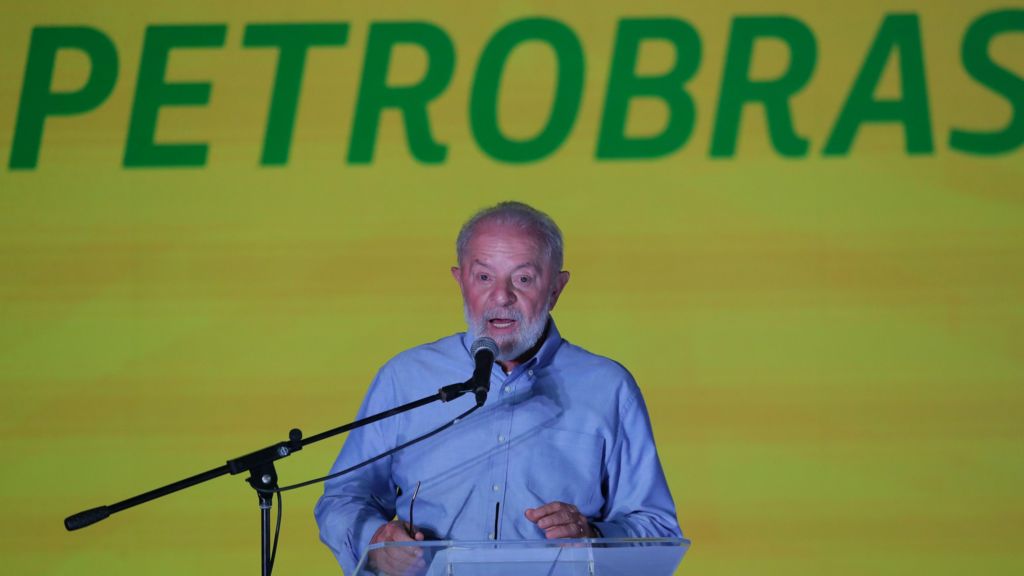
Brazilian President Luiz Inácio Lula da Silva has expressed his support for a future without fossil fuels but emphasized that the world is not yet ready to abandon them. This statement comes amid the approval of a controversial oil exploration project near the Amazon River. Brazil’s state-owned oil company, Petrobras, has been granted a license to conduct exploratory drilling in the Amapá region, approximately 500 kilometers from the Amazon River’s mouth on the Brazilian Equatorial Margin. The project has sparked significant environmental concerns, particularly regarding potential oil spills that could threaten the Amazon’s rich biodiversity, home to 10% of the world’s known species. Conservation groups, including Greenpeace, have warned that the project could undermine Brazil’s climate leadership, especially as the country prepares to host the COP30 climate summit in Belém in November 2025. The International Energy Agency has also reiterated that no new oil projects should be approved if the global goal of net-zero emissions by 2050 is to be achieved. Petrobras has defended the project, stating that it has robust environmental protection measures in place and that the drilling, set to begin immediately, will last five months. The company aims to assess the economic viability of oil and gas reserves in the area but has clarified that no commercial production will occur at this stage. Brazil’s Environment Minister, Marina Silva, has opposed the project, citing environmental risks. However, President Lula has supported it for economic reasons, arguing that Brazil must utilize its natural resources responsibly. Other international oil companies, including ExxonMobil and Chevron, have also acquired exploration blocks in the region and are awaiting licenses. Petrobras has emphasized its commitment to ensuring Brazil’s energy security and supporting a just energy transition while maintaining environmental safeguards.