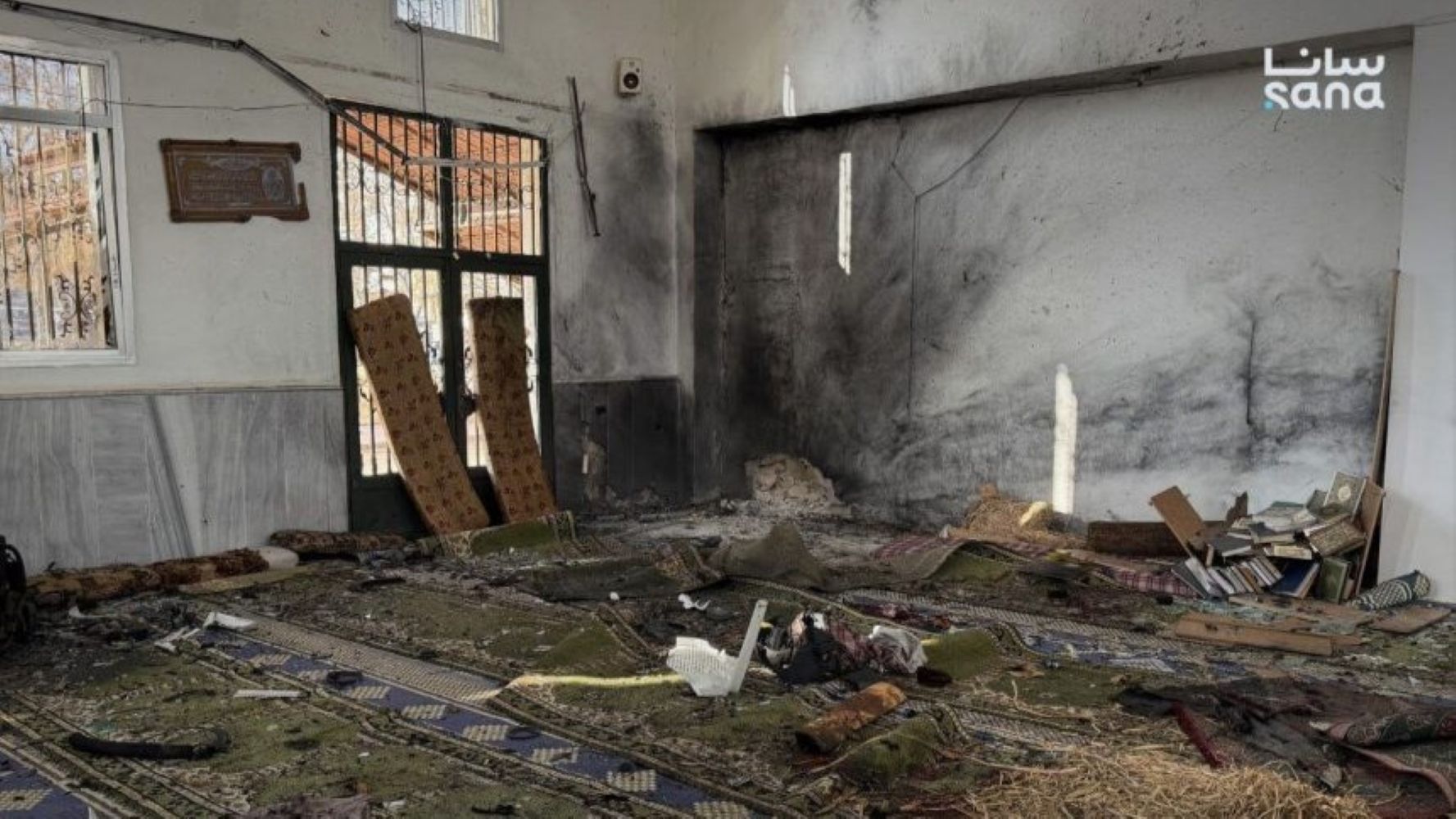
A devastating bomb explosion struck the Imam Ali ibn Abi Talib Mosque in Homs, Syria, on Friday, resulting in a significant loss of life and injuries. Syrian state media confirmed that the blast killed at least eight worshippers and left eighteen others wounded. The mosque, affiliated with the Alawi Islamic sect, was targeted by an explosive device strategically planted within its premises.
Security forces have launched a comprehensive investigation into the attack, aiming to identify and apprehend the perpetrators. This incident occurs against a complex geopolitical backdrop, marking one year since the fall of Damascus to rebel forces under current President Ahmed al-Sharaa. The ousted leader Bashar al-Assad, himself an Alawite, sought refuge in Russia following his government’s collapse.
The attack highlights ongoing vulnerabilities within Syrian society, where Alawi communities and other minorities face persistent threats from extremist elements. Although the Islamic State group suffered decisive defeat in 2017 after attempting to establish a caliphate, residual factions have reorganized and continue operational activities. These remnants have specifically targeted minority groups to destabilize the current administration.
Syria’s devastating civil war, ignited in 2011 by government suppression of popular protests, has created one of the century’s most severe humanitarian crises. The conflict has displaced approximately half of Syria’s population, forcing millions to seek refuge in Turkey, Europe, and neighboring Arab nations. While exact figures remain unverified, estimates suggest the death toll has surpassed 500,000 people over thirteen years of continuous warfare.