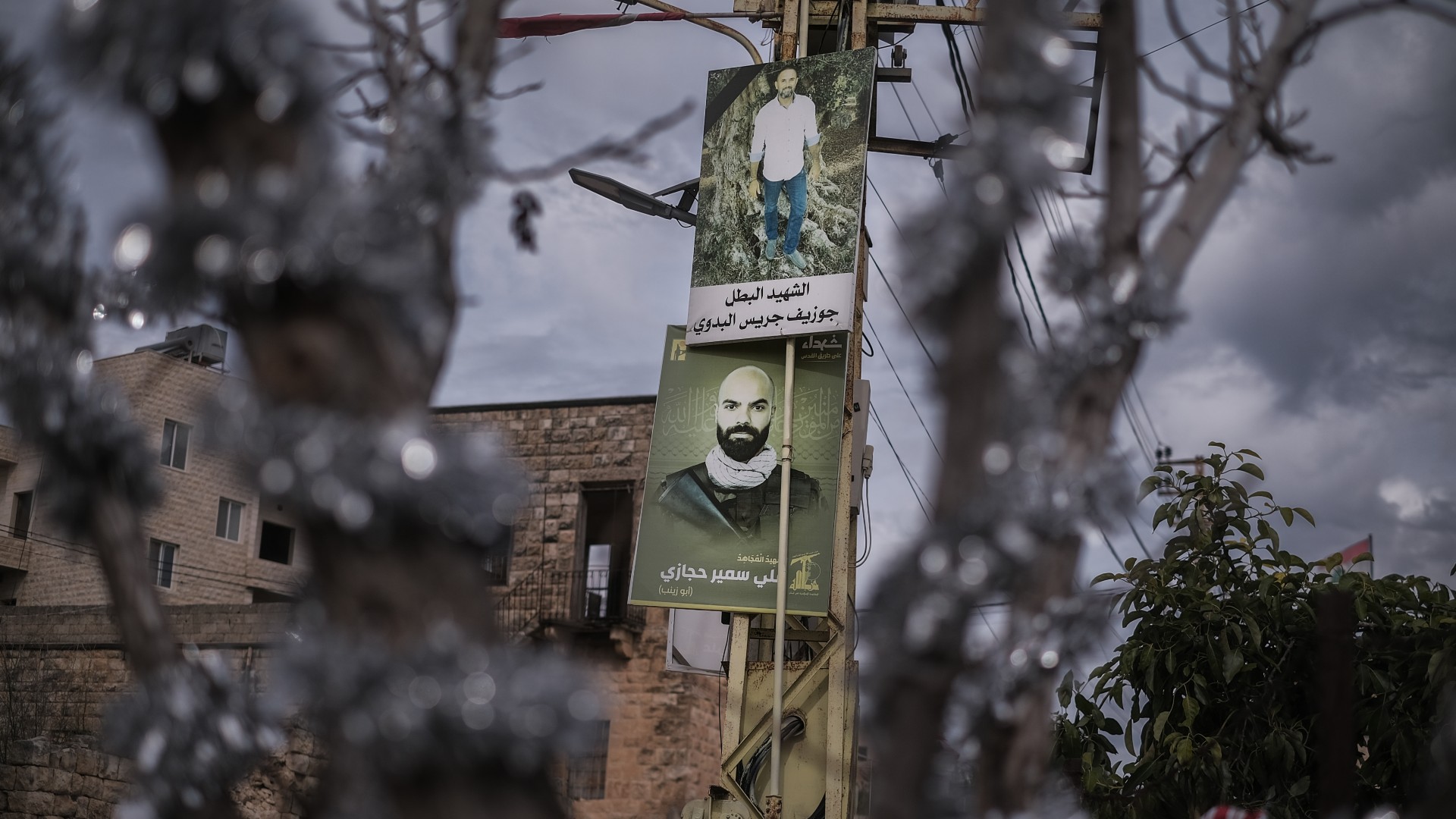
On a windswept December morning in the southern Lebanese village of Derdghaya, a small congregation of approximately thirty worshippers gathered for Mass. Mostly elderly residents—the last remaining inhabitants of this predominantly Christian community—filed into a makeshift chapel set within their priest’s residence. Their historic Melkite Greek Catholic St. George Church, reduced to rubble by an Israeli bombing in 2023, lay just steps away as a stark reminder of ongoing conflict.
The service proceeded against a backdrop of howling winds that congregants sometimes mistook for Israeli warplanes—a haunting sound that has become tragically familiar over two years of violence. The conflict escalated significantly in September 2024 when Israel initiated a devastating bombing campaign that forced approximately one million Lebanese from their homes and killed over 4,000 people. While a November 2024 ceasefire agreement reduced large-scale hostilities, Israeli strikes continue almost daily in southern Lebanon, claiming more than 330 lives since the truce began.
Despite this atmosphere of destruction and uncertainty, Christmas preparations continue across southern Lebanon’s diverse religious communities. In Derdghaya, construction workers in bright red hats sorted through church debris during Sunday’s service, attempting to stabilize the structure with scaffolding. Plastic candy canes and Santa figurines swayed precariously in the wind, symbolic of both celebration and fragility.
Georges Elia, a local social activist and son of the village mukhtar, has spearheaded Christmas celebrations despite personal challenges. Recently injured in a serious road accident that nearly cost him both legs, Elia dressed as Santa and visited schools in neighboring Muslim villages on a motorcycle decorated as a sleigh.
The situation is particularly dire in border villages like Deir Mimas, where resident Rami (a pseudonym for security reasons) described adapting to near-daily bombings. “We’ve gotten used to it,” the 26-year-old university student remarked with ironic laughter. His medieval monastery village, which suffered Israeli military incursions including tank and bulldozer damage to its cemetery, has seen many residents flee despite the ceasefire.
Displacement statistics remain incomplete due to Lebanon’s registration system that ties citizens to ancestral villages regardless of actual residence. Pierre Atallah, mayor of the border village Rachaya al-Fukhar, estimates his community lost approximately 20 of its 120 households since the conflict began. Yet he plans to bring his family to the village for Christmas, where a public tree awaits amidst ongoing concerns about regional stability.
The lingering threat of escalation shadows holiday preparations. Lebanon approaches an end-of-year deadline to disarm Hezbollah south of the Litani River per the ceasefire agreement—a task Prime Minister Nawaf Salam stated on Saturday is nearing completion. For now, southern Lebanon’s Christians maintain their traditions with resilient determination, celebrating Christmas in damaged villages where wind howls mimic warplanes and church services occur amidst rubble.