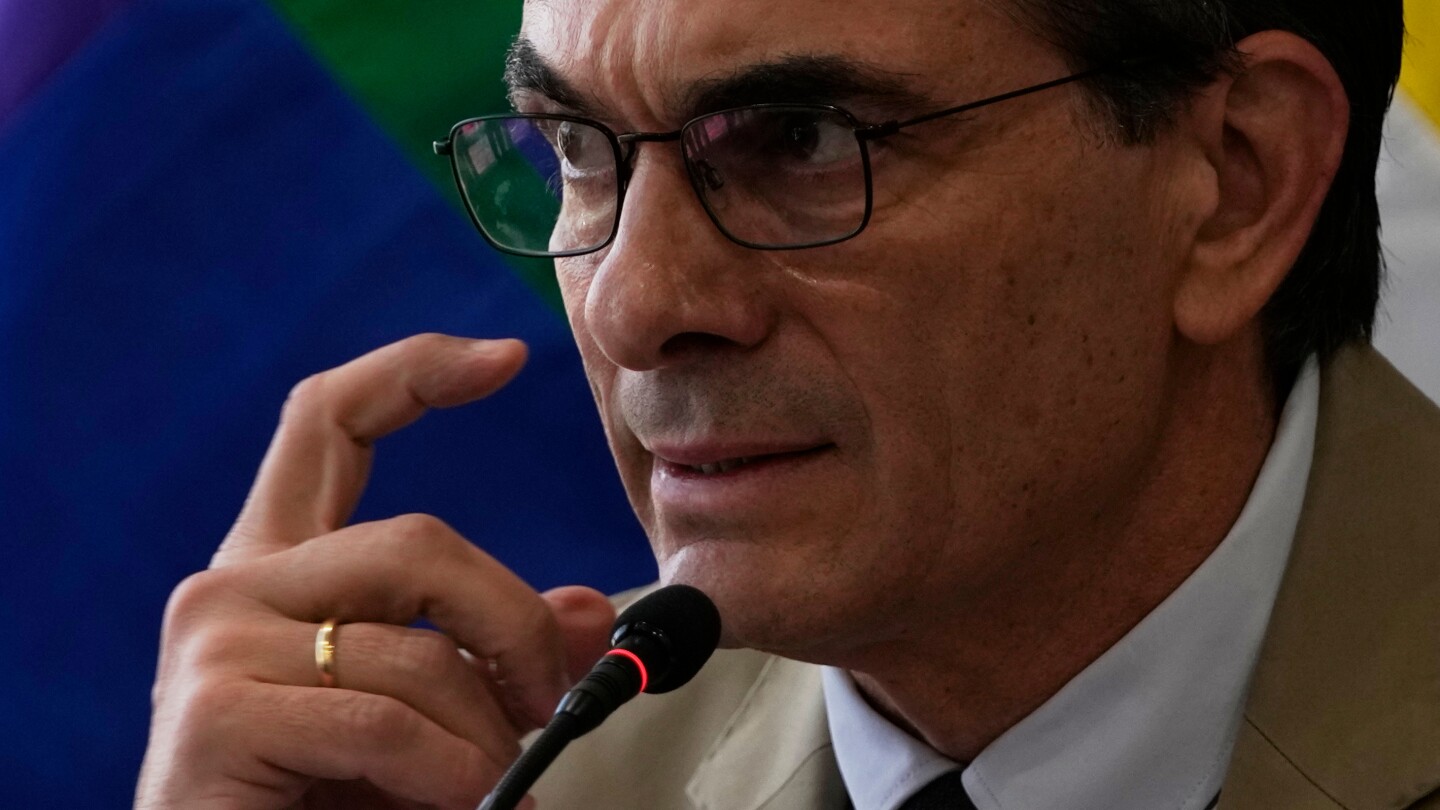
In a decisive move to address Bolivia’s deepening economic crisis, President Rodrigo Paz announced sweeping reforms just two weeks into his tenure. The nation’s first conservative leader in nearly two decades, Paz revealed plans to eliminate a series of taxes and slash federal spending by 30% in the 2026 budget. These measures aim to reverse years of populist economic policies enacted under the Movement Toward Socialism (MAS) party, which had long dominated Bolivian politics. Among the taxes targeted for repeal are the national wealth tax and a 0.3% levy on financial transactions, both of which Paz argued have stifled growth and discouraged investment. Business leaders have welcomed the changes, with Klaus Freking of the agricultural chamber hailing the end of ‘persecution of the private sector.’ However, Paz has opted to retain key elements of the MAS economic model, including fuel subsidies and a fixed exchange rate, despite their distortions. Economic analyst Gonzalo Chávez noted that while Paz’s initial steps are promising, they fail to address core structural issues. The government has also secured a $3.1 billion loan from the Andean Development Corporation, with plans to borrow up to $9 billion over the next three years. Additionally, Paz has worked to mend relations with the United States, culminating in agreements on nuclear cooperation and security assistance. The administration has also approved Elon Musk’s Starlink to operate in Bolivia, a move previously blocked by the former government. Early signs of progress include a reduction in fuel shortages and a modest recovery in Bolivia’s sovereign bonds and currency value.
Bolivia’s new president plans to scrap taxes and borrow money to confront economic crisis