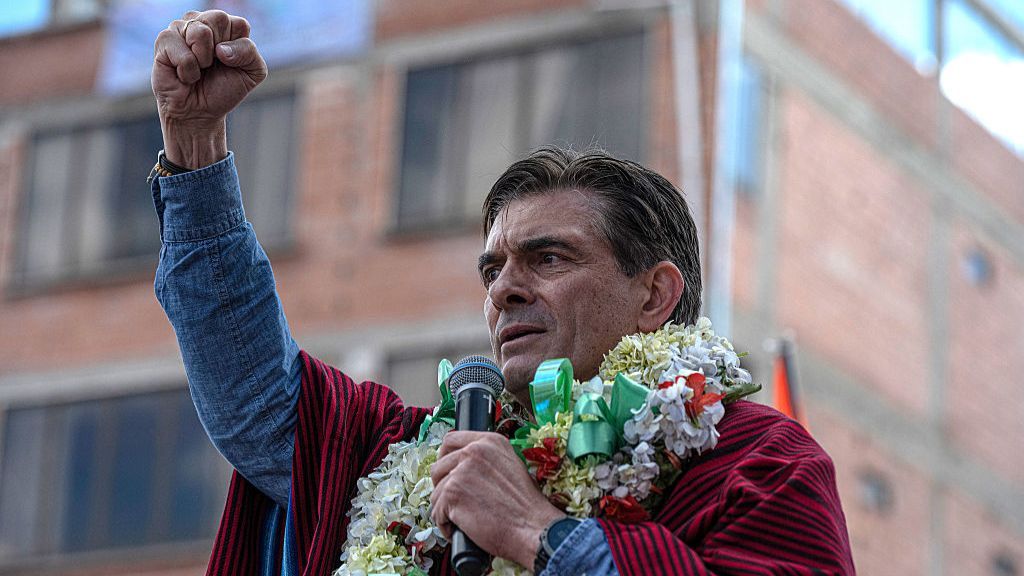
Bolivia has ushered in a new political era with the election of centrist senator Rodrigo Paz as its next president, marking the end of nearly 20 years of dominance by the Movement for Socialism (Mas) party. In a decisive run-off election, Paz, representing the Christian Democratic Party, secured 54.6% of the vote, defeating right-wing candidate Jorge ‘Tuto’ Quiroga. The election outcome reflects widespread voter dissatisfaction with Bolivia’s severe economic crisis and internal divisions within Mas, which has governed since 2006. Paz campaigned on a platform of ‘capitalism for all,’ pledging to address fuel shortages, attract international investment, and stimulate private-sector growth. His victory speech emphasized a commitment to economic reform and social programs aimed at alleviating poverty. Paz’s moderate stance appealed to undecided and disillusioned left-leaning voters, who sought change but were reluctant to support Quiroga. Quiroga conceded defeat, and Paz’s supporters celebrated in the streets of La Paz, expressing hope for a new direction. Bolivia faces significant challenges, including fuel shortages, a dollar deficit, and soaring inflation, exacerbated by plummeting natural gas exports. Paz has pledged to ease credit access for small businesses, reduce taxes and import tariffs, combat corruption, and decentralize government. However, his plan to cut unsustainable fuel subsidies may prove contentious. Internationally, Paz’s election could signal a thaw in Bolivia’s strained relations with the United States, which have lacked formal diplomatic ties since 2008. The U.S. State Department expressed optimism about partnering with Paz to restore economic stability and strengthen security. Paz may also recalibrate Bolivia’s alliances, potentially distancing the country from Venezuela and Cuba while maintaining trade ties with China, a key partner for Bolivia’s mineral and lithium exports. Paz’s running mate, Edman Lara, a former police captain known for his anti-corruption stance, helped attract working-class voters. The election result underscores a national desire for change, but Paz inherits a deeply divided country and a challenging economic landscape. He will take office on November 8, 2025, with the formidable task of restoring economic credibility and uniting Bolivia after years of political turmoil.