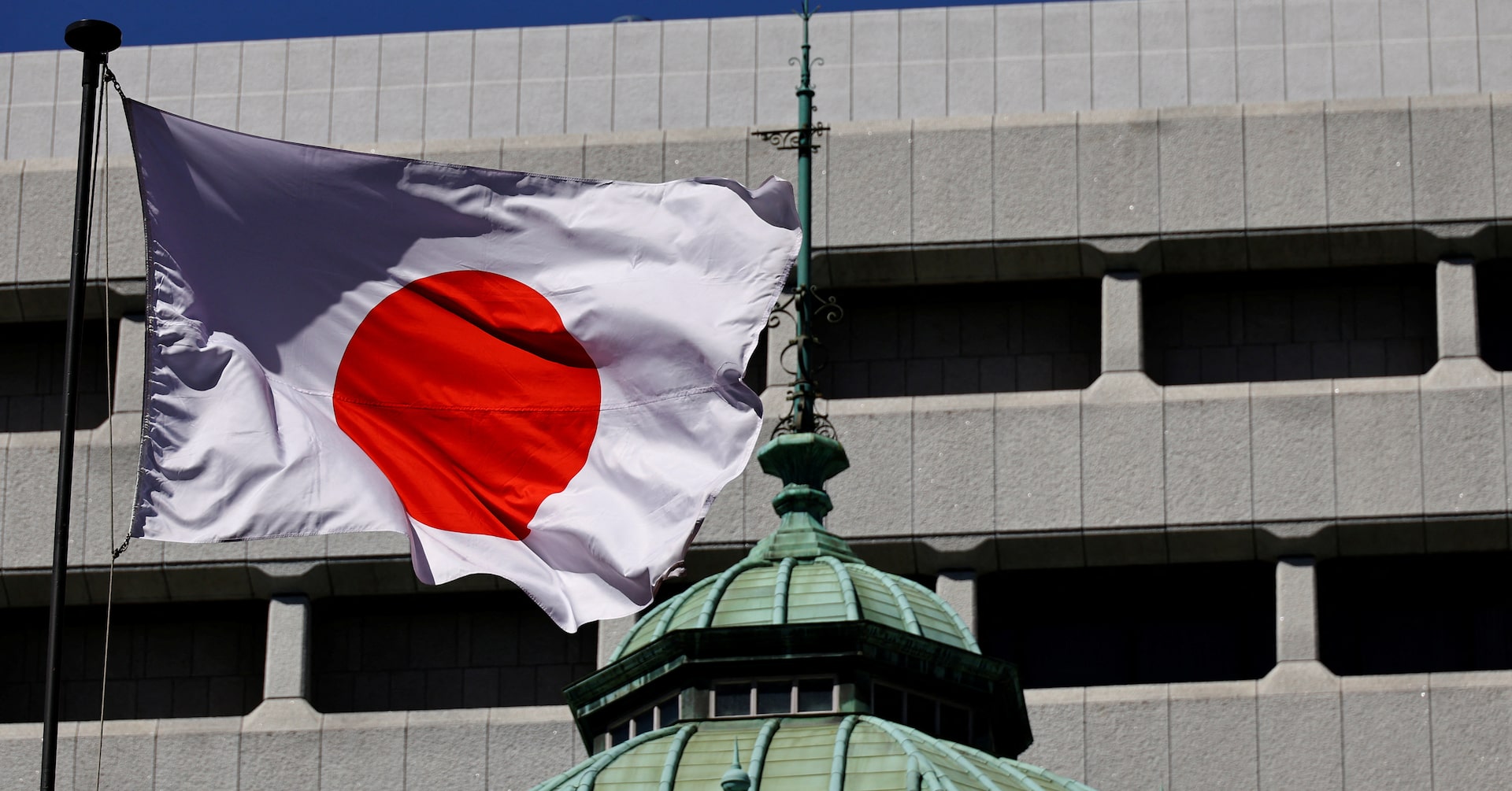
The Bank of Japan (BOJ) concluded its two-day policy meeting on Friday, September 19, 2024, with expectations of maintaining its short-term interest rate at 0.5%. This decision comes amidst growing concerns over the impact of U.S. President Donald Trump’s tariffs and signs of a weakening U.S. economy. The BOJ’s cautious stance reflects the fragile state of Japan’s economic recovery, which is increasingly vulnerable to external pressures, particularly on exports. Governor Kazuo Ueda is scheduled to hold a news conference at 0630 GMT, where markets will closely monitor his views on the tariff implications and the broader economic outlook. Analysts predict that the BOJ will remain cautious in its approach, with potential rate hikes delayed until early next year. The central bank’s policy outlook is further complicated by domestic political uncertainty, as Japan’s ruling party prepares for a leadership race following Prime Minister Shigeru Ishiba’s resignation earlier this month. Despite global uncertainties, some hawkish BOJ members have warned of the risks of prolonged negative real borrowing costs, driven by stubbornly high food prices and a tight job market. Japan’s consumer inflation has remained above the BOJ’s 2% target for over three years, adding pressure on households’ cost of living. The BOJ exited its decade-long stimulus program last year and raised rates in January, but the path forward remains uncertain as policymakers navigate the dual challenges of domestic inflation and external economic risks.