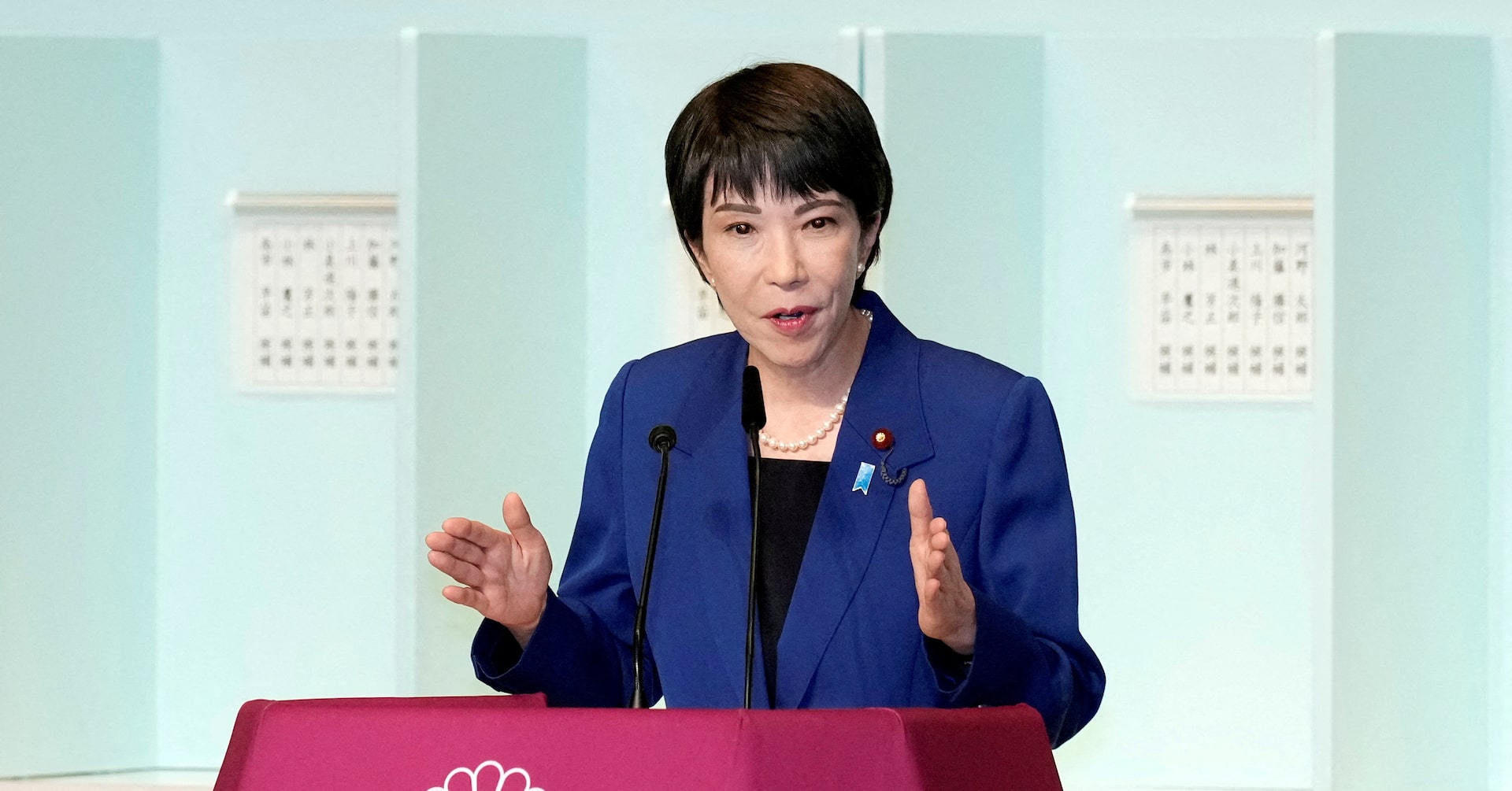
The Bank of Japan (BOJ) could proceed with an interest rate hike in October, even if Sanae Takaichi, a prominent advocate of aggressive monetary easing, wins the Liberal Democratic Party’s (LDP) leadership race and becomes Japan’s next prime minister, according to former BOJ executive Tomoyuki Shimoda. Takaichi, a leading candidate in the October 4 leadership race, has been vocal in her opposition to the BOJ’s rate hikes and has called for increased fiscal spending to stimulate the economy. However, Shimoda, who previously served in the BOJ’s monetary affairs department, believes that Takaichi’s potential victory would have a limited impact on monetary policy. He expressed skepticism about her ability to implement policies that could weaken the yen, which has been a concern for policymakers due to its inflationary effects. A weak yen boosts exports but raises import costs, contributing to inflation that has remained above the BOJ’s 2% target. Shimoda noted that a yen fall below 150 to the dollar could also draw complaints from the U.S. administration, which is pursuing a weak-dollar policy to support U.S. exports. The BOJ is likely to raise rates at its October 29-30 meeting if stock prices remain stable and the upcoming ‘tankan’ business sentiment survey, due on October 1, does not show significant deterioration. Shimoda highlighted that solid corporate profits, wage hikes, and persistent rises in food costs are creating a favorable environment for a rate increase. The BOJ is widely expected to maintain its current interest rate of 0.5% at its upcoming meeting, but a Reuters poll indicates that a majority of economists anticipate another 25-basis-point hike by year-end, with bets centered on October and January. Takaichi is known for her support of an ‘Abenomics’-style mix of fiscal and monetary stimulus, while her main rival, Shinjiro Koizumi, has less clear views on BOJ policy. The BOJ exited its decade-long ultra-loose monetary policy last year and raised short-term rates to 0.5% in January, signaling its readiness to continue hiking rates as inflation remains above 2%. The yen’s movements have historically influenced BOJ decisions, and its recent stabilization around 146 per dollar follows a plunge to near two-decade lows last year.
BOJ may raise rates in October even if Takaichi wins leadership race, says ex-c.bank official