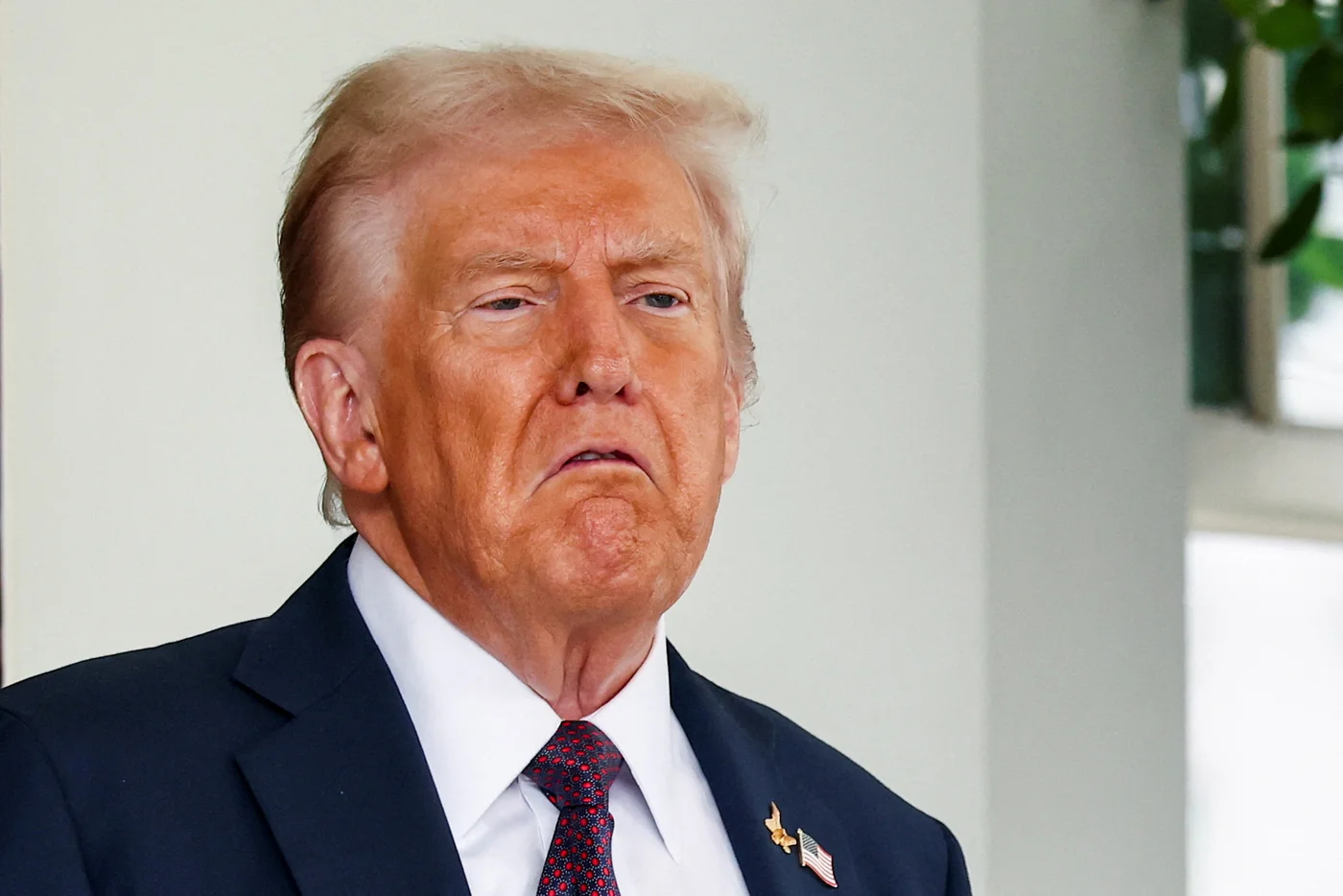
Donald Trump’s 20-point proposal to address the conflict in Gaza has ignited widespread criticism, with many accusing the former US president of masking a plan for Israel’s permanent occupation of the Palestinian enclave as a peace initiative. Announced alongside Israeli Prime Minister Benjamin Netanyahu at the White House, the plan conditions a halt to Israel’s military campaign on Hamas’s acceptance of its terms. Trump hailed the proposal as a historic achievement, claiming support from Arab, Muslim, and European leaders. However, reactions outside the White House were far from celebratory. Palestinian journalist Motasem Dalloul described the plan as a ‘dirty trick’ to reinforce Israeli occupation under international cover. Critics highlighted the plan’s lack of Palestinian self-determination, Israel’s continued control over borders, and the involvement of figures like Tony Blair, whom many view as emblematic of colonial overreach. Human rights scholars and activists condemned the proposal as an ultimatum rather than a genuine peace effort, emphasizing the exclusion of Palestinians from the decision-making process. Netanyahu’s subsequent announcement that Israel would not withdraw from Gaza further fueled accusations of bad faith. The plan’s deeper flaws, including its focus on ‘de-radicalization’ of victims rather than perpetrators and its failure to address accountability for alleged genocide, drew sharp criticism. Despite Qatar and Egypt forwarding the proposal to Hamas, many view it as a blueprint for permanent occupation rather than a pathway to peace.
‘Blueprint for permanent occupation’: Outrage online over Trump’s plan to end Gaza war