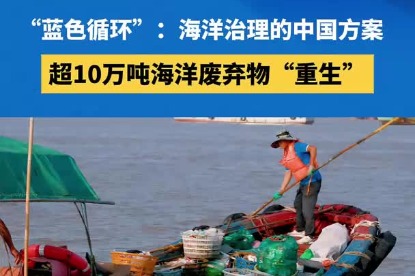
A groundbreaking marine conservation model emerging from China’s eastern coast is demonstrating transformative potential in addressing the global crisis of ocean plastic pollution. The Blue Circle initiative, launched in Taizhou, Zhejiang province in 2020, has developed an integrated circular economy system that effectively converts marine waste into valuable resources while engaging coastal communities in conservation efforts.
This innovative approach arrives amid alarming projections from the United Nations Environment Programme, whose recent report reveals between 75-199 million metric tons of plastic currently contaminating marine environments worldwide. Without immediate intervention, annual plastic influx into oceans could nearly double to 23-37 million tons by 2040, representing what experts describe as an environmental emergency of unprecedented scale.
The Blue Circle framework establishes a comprehensive governance structure encompassing four interconnected phases: systematic marine debris collection, land-based recycling infrastructure, international carbon credit trading mechanisms, and equitable public benefit distribution. This holistic methodology represents a paradigm shift from conventional pollution control toward resource recovery and value creation.
By transforming retrieved plastic materials into marketable commodities and linking cleanup activities to carbon emission reduction credits, the model creates sustainable economic incentives for continued environmental protection. Local fishing communities participate actively in collection efforts, creating a virtuous cycle where environmental stewardship generates tangible economic returns.
This Chinese-developed solution offers developing nations particularly relevant insights, demonstrating how emerging economies can implement scalable waste management systems without compromising economic development objectives. The program’s success in Zhejiang has attracted international attention as governments worldwide seek practical solutions to the mounting marine plastic crisis.