The partial reopening of the Rafah border crossing, the first since May 2024, has been marred by reports of systematic harassment and intimidation against Palestinian returnees. Under a new arrangement heavily restricted by Israeli authorities, returning Palestinians are subjected to intense scrutiny, prolonged interrogations, and confiscation of essential belongings.
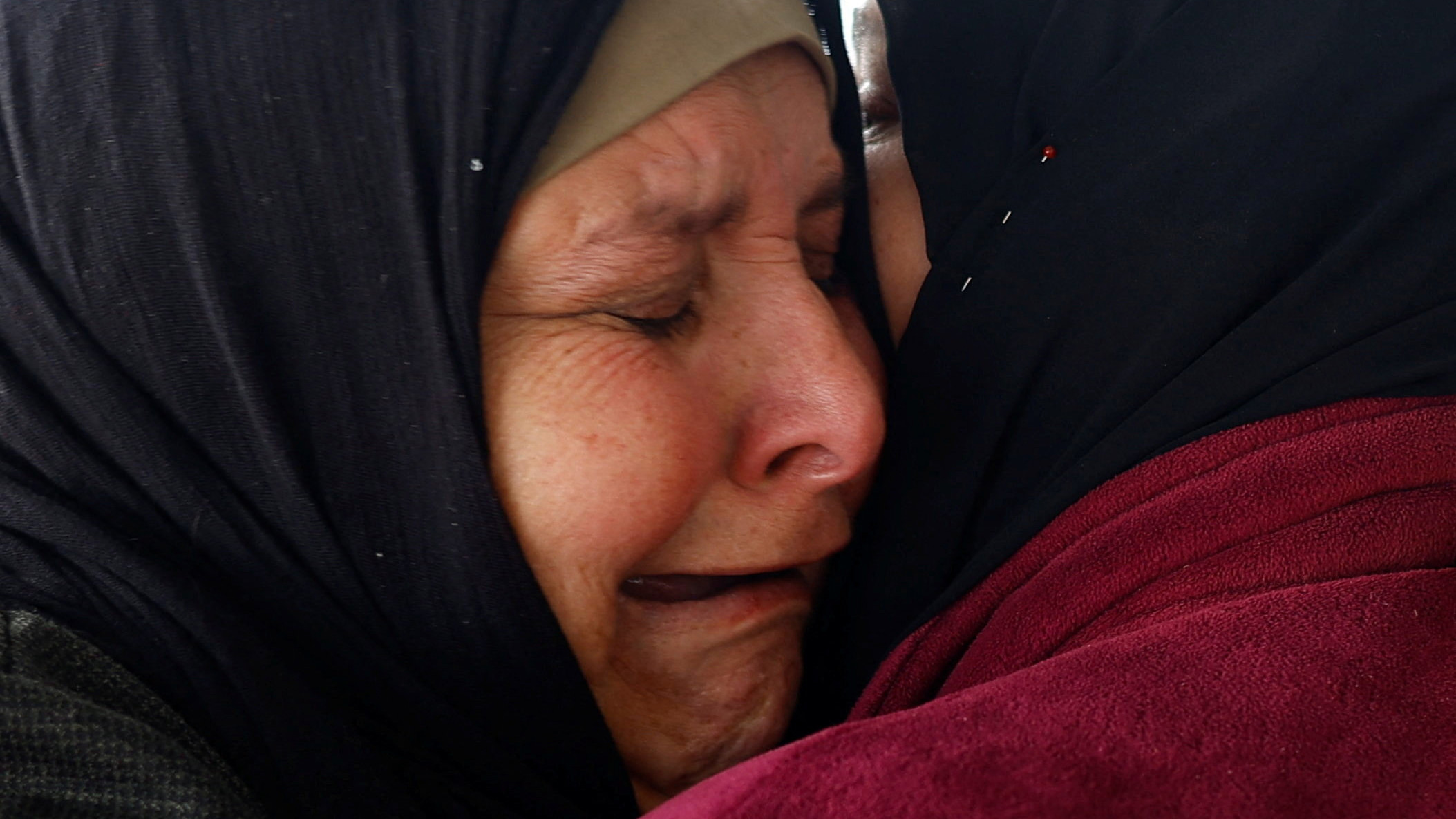
Huda Abu Abed, a 57-year-old heart patient, became one of the first to experience this new reality. After being evacuated to Egypt for urgent medical treatment during the conflict, she was among just 12 people who successfully completed the return journey on Monday. While Egyptian officials treated them “with dignity,” Abu Abed described the treatment on the Palestinian side as “the worst.”
The process involves multiple layers of inspection: first by Palestinian staff and European Union Border Assistance Mission (EUBAM) supervisors, then by Israeli-backed militias, and finally by the Israeli army itself. Returnees reported having all non-clothing items confiscated, including essential medications, mobile phones, and children’s toys. Abu Abed begged for hours to recover her personal phone containing family photos and critical information.
Even after clearing inspections, returnees must await Israeli approval simply to enter their own country. The new restrictions impose a strict daily quota of only 50 returnees to Gaza, creating a massive backlog. With approximately 30,000 Palestinians registered to return in Cairo alone, and tens of thousands more stranded elsewhere, the current system would require nearly two years to process existing cases.
The most disturbing accounts emerge from interrogations conducted by Israeli forces. Abu Abed described being blindfolded, handcuffed, and subjected to hours of questioning by masked officers who demanded information about Hamas affiliations. Her daughter, Rotana Atiyya al-Raqb, was reportedly beaten and humiliated in a separate room. Another returnee, Sabah Ismail al-Raqb, was doused with cold water and threatened with detention unless she agreed to collaborate with authorities.
These operations occur with the involvement of Israeli-backed militias, including one led by Ghassan al-Dahini, a criminal with past connections to Islamic State. The militia network, opposed to Hamas, operates with Israeli backing in eastern Rafah.
The reopening follows the October ceasefire agreement that required Israel to reopen Rafah during its first phase. Israeli officials had conditioned this on the recovery of the last captive’s body, which was accomplished last week. However, the resulting arrangement appears designed to create maximum discomfort for returnees, with many believing the systematic harassment aims to discourage Palestinians from returning to Gaza altogether.