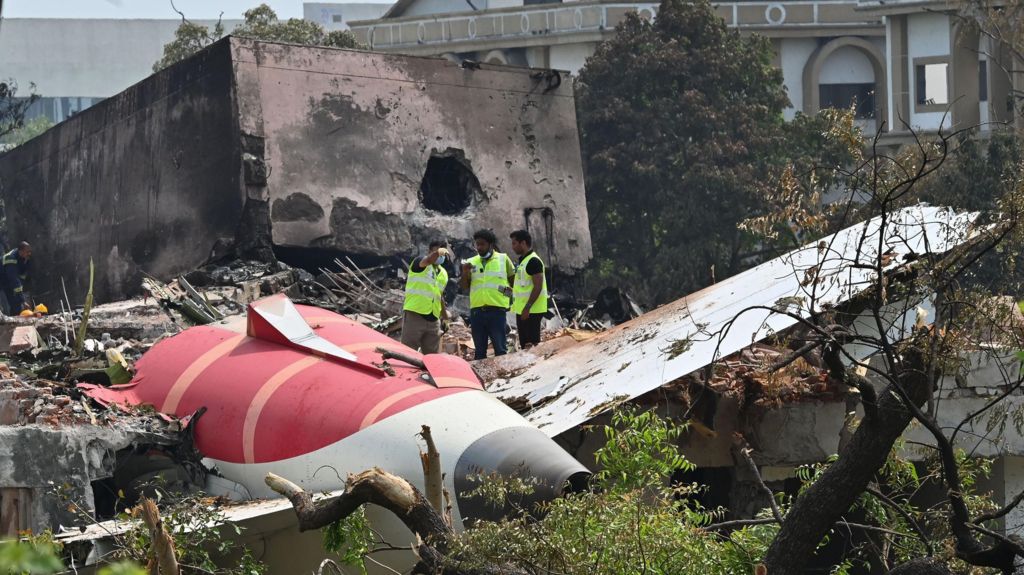
Nearly five months after the tragic crash of Air India Flight 171, which claimed 260 lives, the investigation has become embroiled in controversy, with India’s Supreme Court now weighing in. The flight, en route from Ahmedabad to London on June 12, crashed into a building just 32 seconds after takeoff. An interim report released in July has drawn criticism for allegedly focusing on pilot actions rather than potential aircraft malfunctions. Recently, a Supreme Court judge emphasized that no blame should be placed on the aircraft’s captain, echoing comments from Air India’s CEO, Campbell Wilson, who asserted that initial investigations found no issues with the aircraft or its engines. The investigation, led by India’s Air Accident Investigation Bureau (AAIB) with U.S. involvement due to the aircraft’s American origins, has faced scrutiny over its preliminary report. The report highlighted that fuel cutoff switches were moved shortly after takeoff, leading to engine shutdown, but did not conclusively determine the cause. Speculation has arisen over whether the pilots, Captain Sumeet Sabharwal and First Officer Clive Kunder, were responsible, with some experts suggesting an electrical fault may have triggered the shutdown. Critics argue that the investigation has been biased, with incomplete technical data and undue focus on pilot error. The Supreme Court is considering a petition from Captain Sabharwal’s father for an independent inquiry. Meanwhile, the U.S.-based Foundation for Aviation Safety has called for reforms in investigation protocols, citing systemic failures. As the investigation continues, the aviation community awaits the final report to uncover the true cause of the disaster.