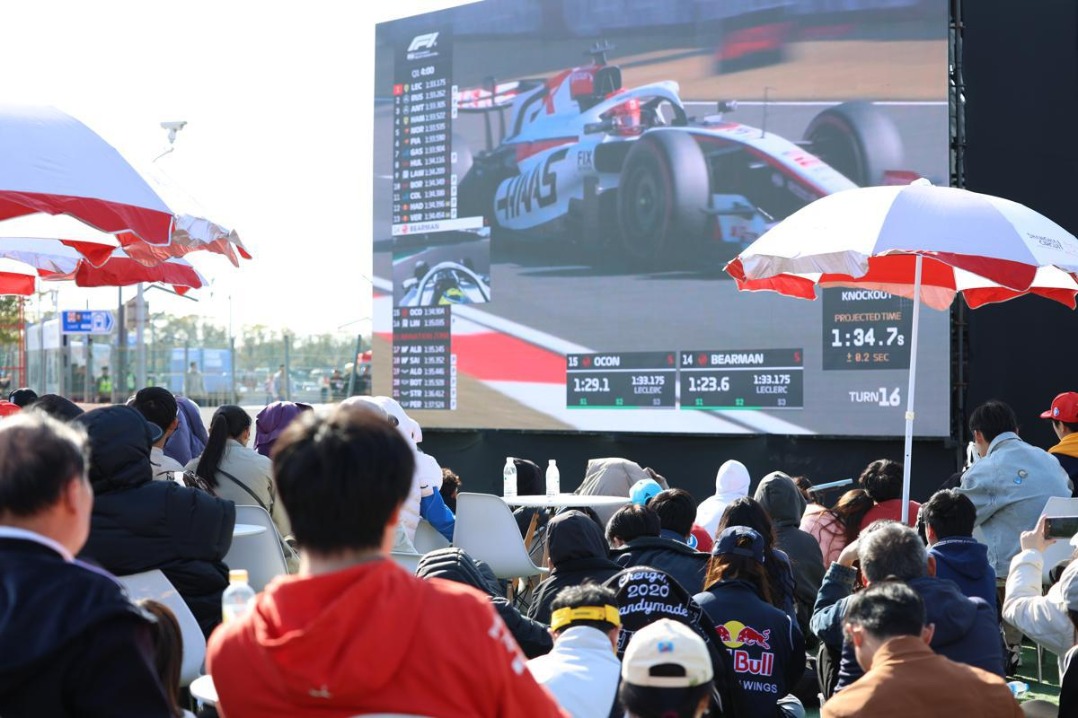
The 2026 Formula 1 Heineken Chinese Grand Prix has evolved into far more than a premier motorsport competition, serving as a vibrant cultural showcase of Shanghai’s rich heritage. From March 13-15, the Shanghai International Circuit’s Fountain Plaza has been transformed into a bustling fan zone that welcomes both ticket holders and the general public, creating a carnival atmosphere that extends well beyond the high-speed action on the asphalt.
While world-class drivers compete for supremacy on the track, the surrounding areas have become immersive cultural destinations. The fan zone’s food court has emerged as a major attraction, featuring authentic Shanghai culinary specialties. Visitors are lining up to sample nostalgic favorites including Shanghai pork toast and the star attraction—Nanxiang xiaolongbao. These delicate soup dumplings, recognized as a national intangible cultural heritage item from Jiading district, have proven so popular that they’re being served to racing teams in the paddock, giving international participants a direct taste of local culinary traditions.
The retail experience seamlessly blends motorsport culture with local identity. At the expansive 750-square-meter Juss event merchandise store, shoppers can purchase items that creatively combine Shanghai’s urban character with designs celebrating the Year of the Horse and popular F1 terminology like “box box”—the radio instruction for pit stops. A dedicated pop-up store featuring Jiading-themed cultural and creative goods further highlights the district’s artistic heritage and traditional crafts.
For international visitors like Russian F1 enthusiasts Kristina Rakitina and Sergey Klimenov, the event provides a dual-purpose opportunity to experience both racing and local culture. Many are using the Grand Prix weekend to explore Shanghai’s broader attractions, including historic sites like Zhujiajiao Ancient Town with its traditional scenery and waterways.
Additional attractions include a centennial auto exhibition tracing automotive history and racing simulators that allow fans to test their driving skills. These elements contribute to the multifaceted, festive atmosphere that now defines the Chinese Grand Prix weekend, demonstrating that in Shanghai, the race represents just one component of a much broader cultural journey.