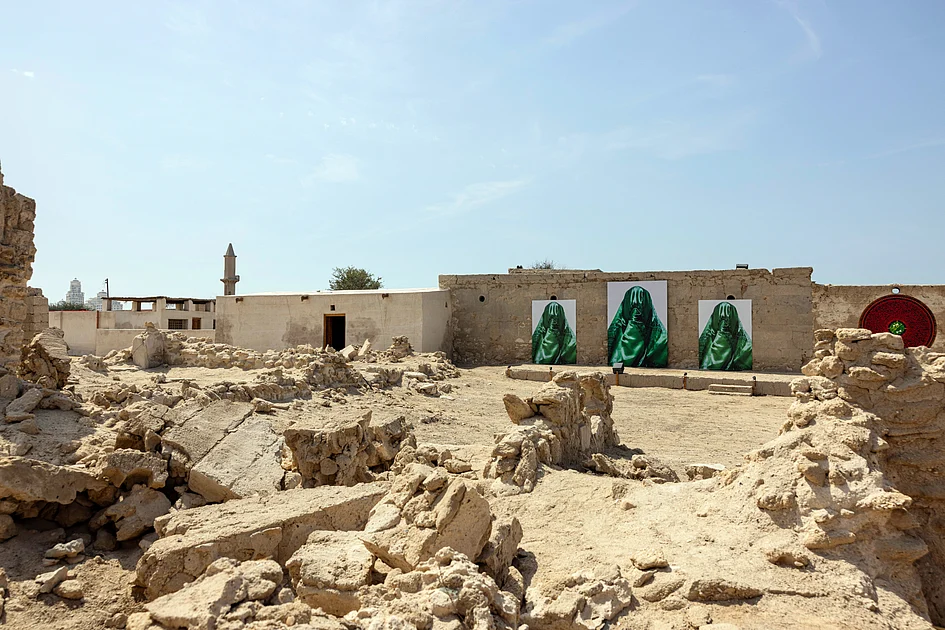
The United Arab Emirates (UAE), often synonymous with the glittering skylines of Dubai and Abu Dhabi, holds a lesser-known history rooted in the pearl industry. Long before oil transformed the nation into a global economic powerhouse, the UAE thrived on the luster of pearls harvested from the Arabian Gulf. Today, the smaller, less-visited emirates offer a glimpse into this bygone era, providing a stark contrast to the modern opulence of its more famous cities. On a warm morning in Ras Al Khaimah, the northernmost emirate, visitors can step aboard a traditional wooden dhow and witness the art of pearl diving at Suwaidi Pearl Farm. Here, a guide clad in a pristine white headscarf demonstrates the delicate process of extracting pearls from oysters, a practice that once sustained the region. This experience is part of a broader journey through Sharjah, Ajman, Fujairah, and Ras Al Khaimah—emirates that remain less developed but rich in cultural heritage. Sharjah, for instance, is a hub of authenticity with its coral-walled buildings and the Sharjah Museum of Islamic Civilisation, which showcases the region’s deep-rooted history. Ajman, the smallest emirate, offers a laid-back vibe with its golden beaches and burgeoning tourism scene. Fujairah, located on the Gulf of Oman, is home to the UAE’s oldest mosque, Al Bidyah, while Ras Al Khaimah boasts the world’s longest zip-line and a thriving pearl farming industry. These emirates, often overshadowed by Dubai’s grandeur, provide a window into the UAE’s past, revealing a harmonious blend of tradition and modernity. As the nation continues to evolve, these hidden gems remind us that the UAE’s true wealth lies not just in its oil reserves but in its rich cultural tapestry and the resilience of its people.