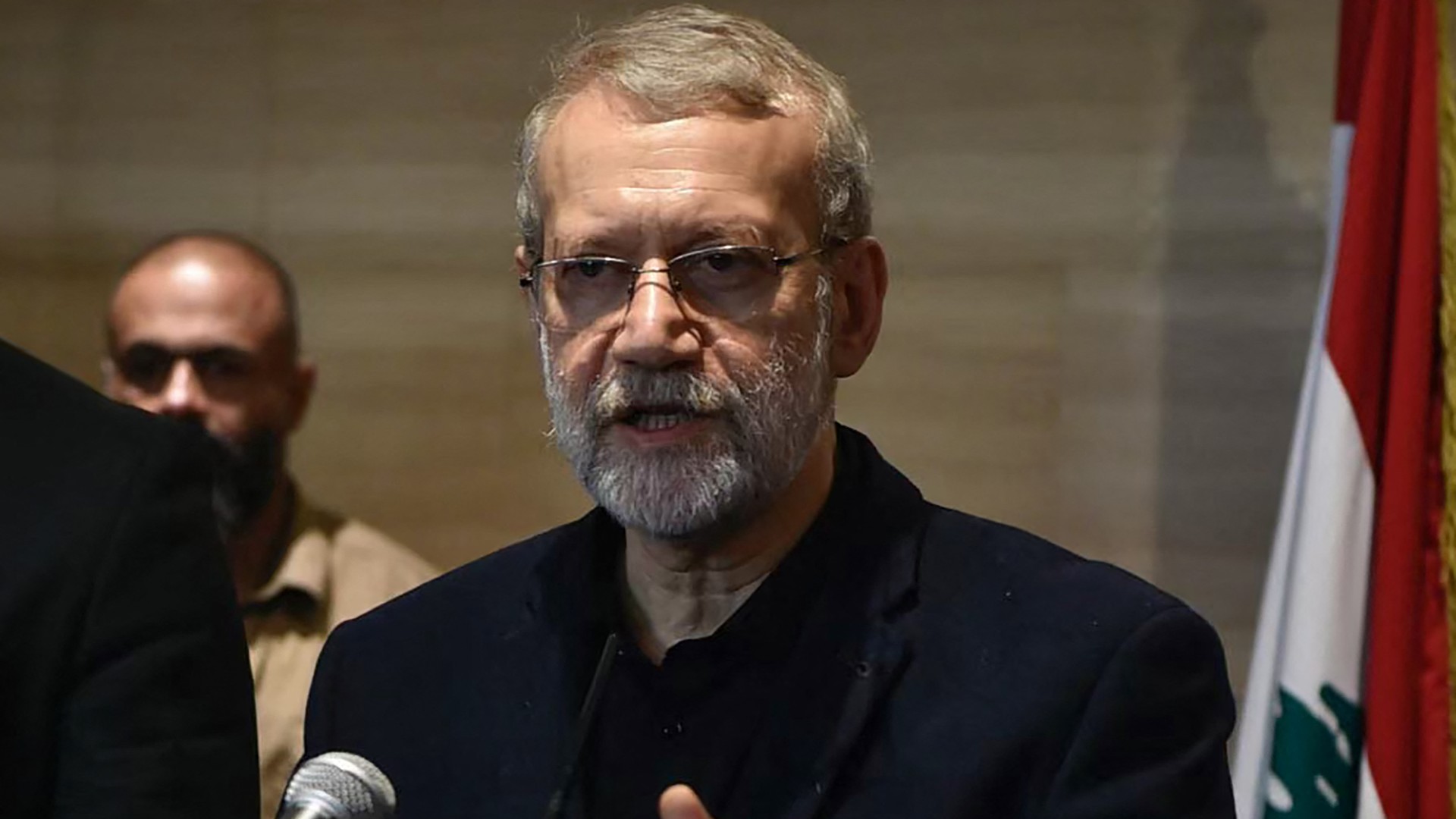
A senior Iranian security official has delivered a formidable counter-warning to former U.S. President Donald Trump following his explicit threat of military action against Tehran. The exchange marks a significant escalation in rhetoric between the two nations concerning the strategic Strait of Hormuz.
Trump utilized his Truth Social platform late Monday to issue a stark ultimatum, vowing to strike Iran with unprecedented force if it persists in blocking the critical maritime passage. His post threatened targets that would render national reconstruction “virtually impossible” for Iran, promising “Death, Fire, and Fury” while simultaneously characterizing such action as a potential “gift to China” and other nations reliant on the strait.
Ali Larijani, head of Iran’s Supreme National Security Council, responded via social media platform X in both Persian and Arabic. Defying the warnings, Larijani asserted that “the Ashura-loving Iranian people do not fear your hollow threats,” invoking historical resilience against greater powers. He concluded with a ominous caution: “So beware lest you be the ones to vanish.”
The geopolitical standoff centers on the Strait of Hormuz, a narrow 33-kilometer channel separating Oman and Iran that serves as the world’s most vital oil transit corridor. Approximately 20 million barrels of oil navigate these waters daily, representing about 20% of global petroleum output and one-third of liquefied natural gas shipments. Asian economies demonstrate particular vulnerability, with South Korea importing 70% of its crude, Japan 90%, and India 50% from Middle Eastern suppliers traversing the strait.
Financial markets already reflect the tension, as Asian indices tumbled Monday following Iran’s closure of the waterway. Larijani reinforced Iran’s position, stating the strait would remain closed while U.S. and Israeli attacks continue. Responding to reports of France deploying frigates to reopen the route, the security chief dismissed such efforts as futile while “fires ignited by the United States and Israel” rage in the region.