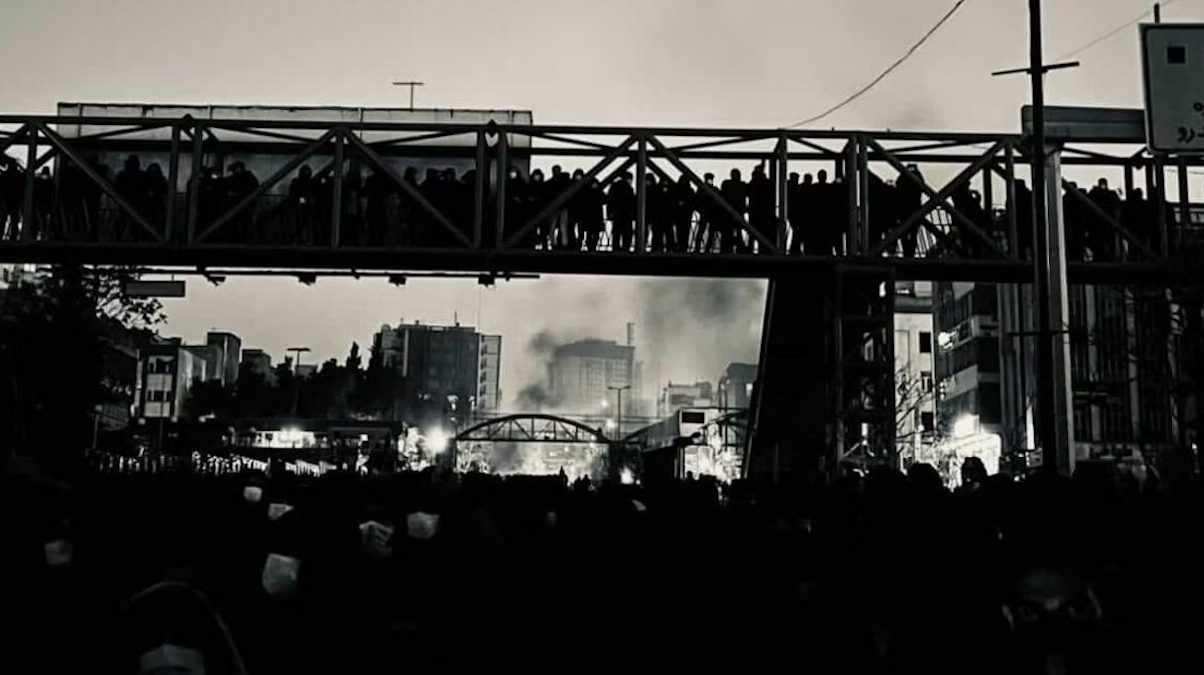
What began as merchant-led demonstrations in Tehran’s Grand Bazaar on December 28, 2025, has transformed into Iran’s most significant protest movement in decades. The government initially perceived these protests as manageable economic grievances from traditionally conservative bazaar merchants seeking currency stabilization and inflation control. In an unprecedented move, Supreme Leader Ali Khamenei openly acknowledged the merchants’ concerns, marking the first time he had ever legitimized any demonstration.
However, the situation rapidly escalated beyond governmental expectations. Protests spread to over 25 provinces, evolving into a nationwide challenge to the regime’s survival. The government responded with violent crackdowns that reportedly resulted in more than 6,000 protester fatalities.
The movement’s most significant development has been the incorporation of Iran’s ethnic minorities into the protest landscape. Iran’s population of 93 million includes substantial ethnic diversity: while Persians constitute 51% of the population, Azeris represent 24%, Kurds number between 7-15 million (8-17%), with Arabs and Baluch minorities comprising 3% and 2% respectively.
Kurdish communities initiated their involvement through protests in Malekshahi, Ilam province, on January 3. A subsequent security forces raid on wounded protesters at Ilam hospital generated widespread outrage and international attention. Kurdish leadership demonstrated strategic sophistication by calling for regional strikes rather than protests, remembering the brutal suppression during the 2022-23 “Women, Life, Freedom” uprising.
The southeast Baluchestan region joined the movement on January 9, with protests emerging from Friday prayers, driven by longstanding ethnic and religious marginalization. Iranian Azerbaijan participated more cautiously and later, reflecting their relatively privileged position within Iran’s power structures.
The protest movement reveals fundamental divisions about political change. Urban Persian-majority protesters typically seek social freedoms, economic recovery, and Western normalization. Ethnic communities carry additional demands for decentralization, linguistic rights, cultural recognition, and genuine power-sharing—demands historically labeled as separatist by Tehran.
Complicating the opposition landscape, Reza Pahlavi—son of the last Shah—has positioned himself as a transitional leader. However, his published roadmap for transition proposes concentrated power resembling the current supreme leader’s authority and characterizes ethnic demands as national security threats, deepening skepticism in minority regions.
The future of Iran’s protest movement hinges on whether any political transition can address the fundamental tension between centralized power and ethnic pluralism. Lasting change will require incorporating diverse regional and community demands rather than perpetuating Persian-dominated power structures.