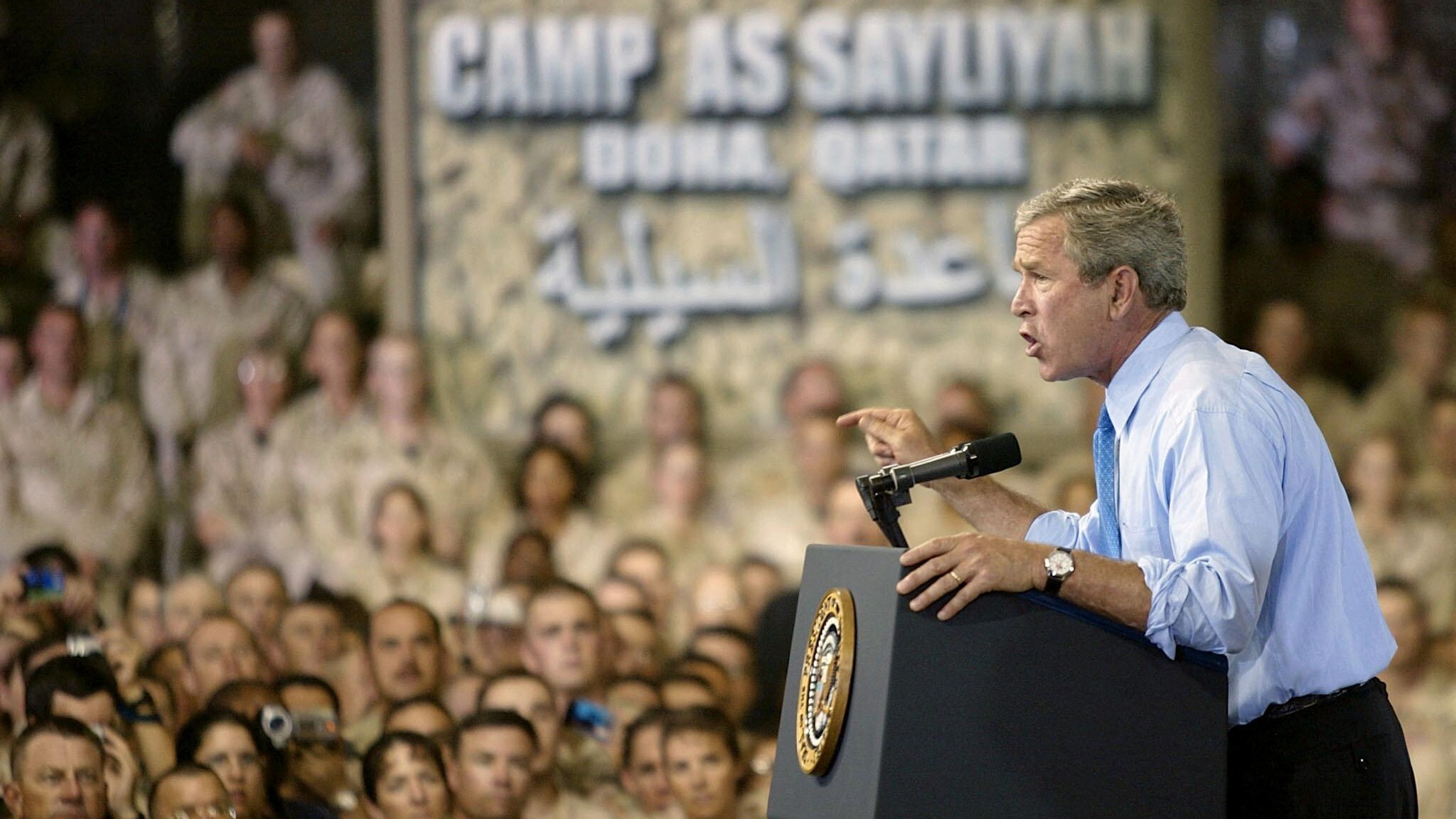
The U.S. State Department has confirmed plans to close Camp As-Sayliyah (CAS), a military base turned transit facility in Qatar housing approximately 1,000 Afghan evacuees awaiting resettlement in the United States. The closure, scheduled for completion by March 31, has ignited fierce criticism from lawmakers and advocacy groups who condemn it as a betrayal of America’s wartime allies.
Democratic Representative Gregory Meeks, ranking member of the House Foreign Affairs Committee, characterized the move as “the latest reckless step by the Trump administration to dismantle every remaining pathway for these allies to safely relocate in the United States.” The announcement came concurrently with a Senate Judiciary Committee hearing titled “Biden’s Afghan Parolee Program – A Trojan Horse with Flawed Vetting and Deadly Consequences,” where Republicans expressed security concerns about previous evacuation procedures.
Camp As-Sayliyah served as a critical processing center during the chaotic 2021 withdrawal from Afghanistan, with some evacuees arriving as recently as January 2025. According to advocacy coalition #AfghanEvac, approximately 800 camp residents are already in the refugee pathway with approved immigration channels to the U.S., including more than 150 immediate family members of U.S. military personnel.
The State Department defended the decision, stating CAS was “a legacy of the Biden Administration’s attempt to move as many Afghans to America as possible – in many cases, without proper vetting” and that keeping individuals indefinitely on the platform was neither “appropriate or humane.” However, officials have not identified which third countries might receive these Afghan nationals, and no nations are known to have made such agreements.
Haris Tarin, former chief of staff of Operation Allies Welcome, described the situation as “complete madness,” emphasizing that camp residents “believed in the US mission in Afghanistan” and “laid their lives on the line.” The controversy unfolds against a backdrop of broader policy changes, including the Trump administration’s elimination of Operation Enduring Welcome and suspension of refugee admissions, leaving thousands of Afghans in legal limbo.
The debate reflects deeper tensions regarding America’s responsibility toward Afghan allies after two decades of conflict, with implications for future international partnerships and the nation’s moral standing in global affairs.