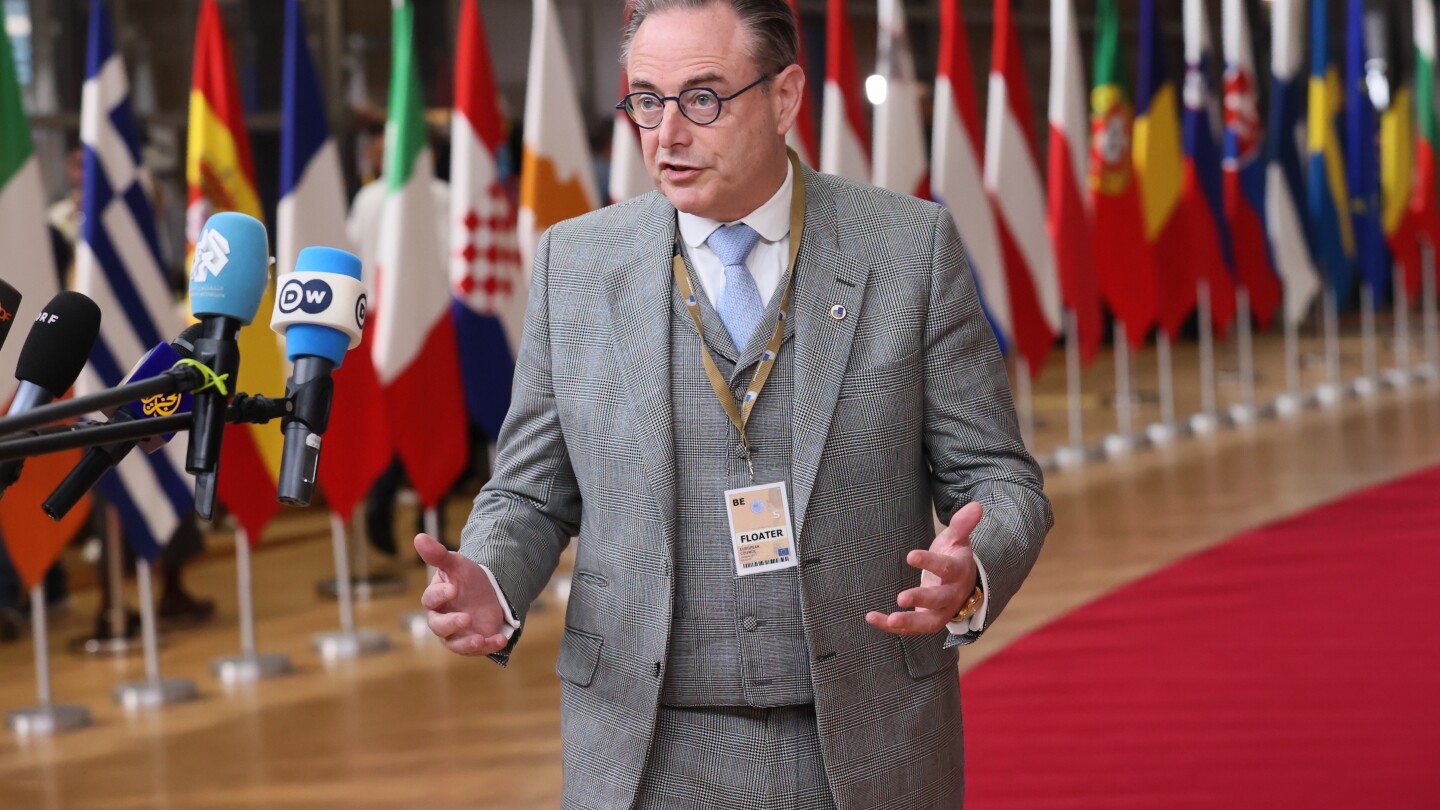
Belgian Prime Minister Bart De Wever emphasized on Thursday the necessity for European Union member states to collectively share the risks associated with utilizing billions of dollars in frozen Russian assets held in Belgium to support Ukraine’s economy and military efforts in the coming years. With Ukraine’s financial and defense needs for 2026 and 2027 projected at approximately $153 billion, the European Commission has been formulating a strategy to leverage these assets as collateral to secure funding. Belgium, which holds the largest portion of these assets—valued at around $225 billion—has expressed caution about proceeding without solid assurances from other EU nations. De Wever highlighted the potential for severe Russian retaliation against Belgium if it acts unilaterally, stating, “If we want to give them to Ukraine, we have to do it all together. If not, Russian retaliation might only hit Belgium. That’s not very reasonable.” He further warned of possible confiscation of Western banks’ funds and European-owned companies in Russia. The European Commission has framed the initiative as a “reparation loan,” where EU countries would guarantee a $165 billion loan to Ukraine, independent of the frozen assets. Ukraine would repay the EU only if Russia compensates for war damages. Should Moscow refuse, the assets would remain frozen. Kremlin spokesman Dmitry Peskov has condemned the EU’s plan as “illegal confiscation of Russian property,” while Commission President Ursula von der Leyen clarified that the proposal involves using cash balances for a loan, not outright confiscation. De Wever stressed the unprecedented nature of the decision, noting, “This has never been done. Even during the Second World War, we didn’t do this, so it’s not a detail.”
Belgium warns EU partners to share its risk if they want to use frozen Russian assets to aid Ukraine