BRUSSELS — In a significant development within European Union policymaking, Belgium has formally opposed a controversial proposal to utilize frozen Russian assets as collateral for financing Ukraine’s reconstruction and military needs. The plan, championed by the European Commission, sought to address Ukraine’s projected budget shortfall of approximately 130 billion euros ($150 billion) for 2026-2027 through an innovative “reparations loan” mechanism.
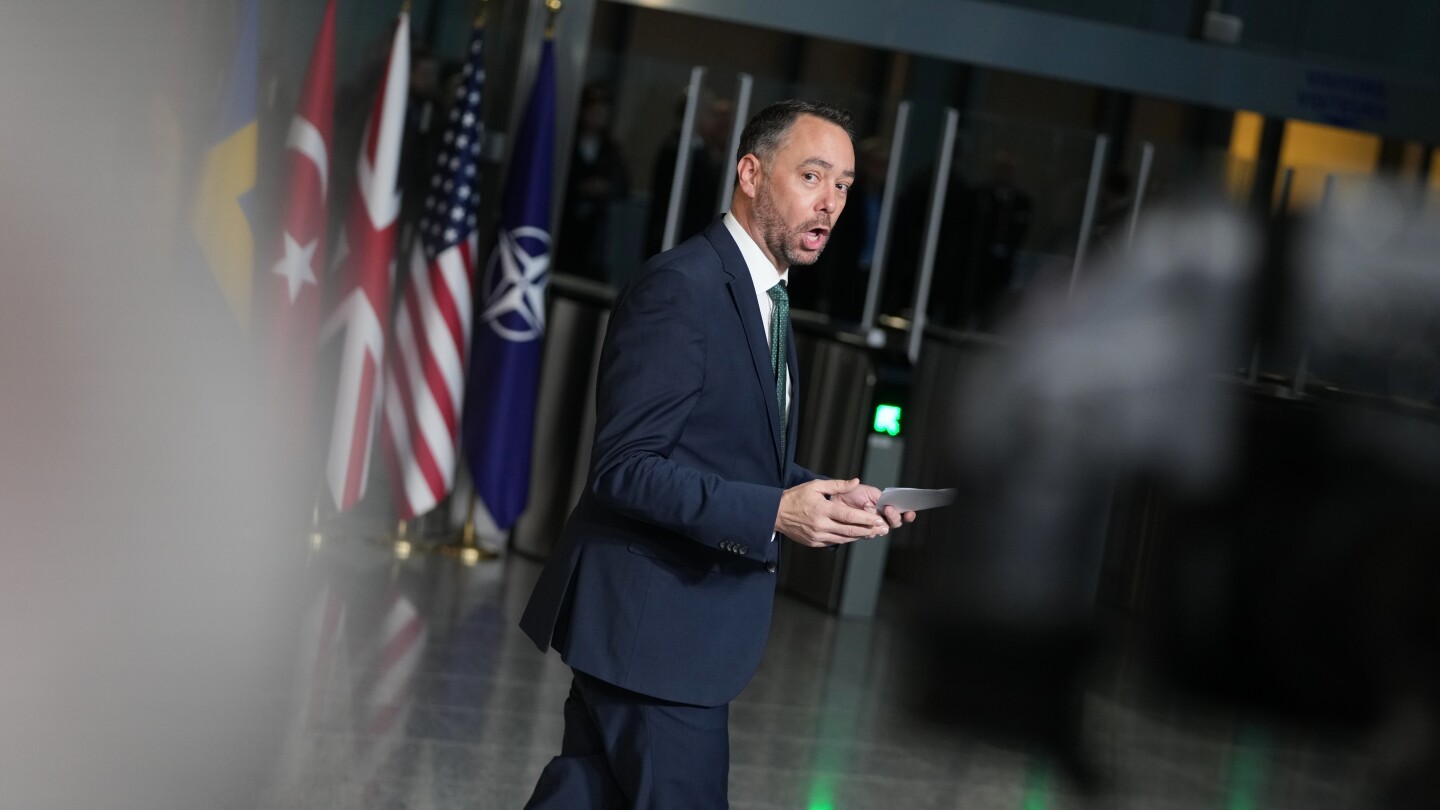
Belgian Foreign Minister Maxime Prévot articulated his nation’s firm stance during remarks at NATO headquarters, characterizing the proposed scheme as “the worst of all options” due to its unprecedented nature and substantial risks. Prévot emphasized that Belgium considers the plan fraught with “consequential economic, financial and legal risks” that remain unaddressed in current proposals.
The heart of Belgium’s concern lies with Euroclear, the Brussels-based financial clearing house currently holding approximately 194 billion euros in frozen Russian assets as of June. Belgian authorities fear potential legal repercussions should Moscow challenge the asset utilization, alongside possible damage to Euroclear’s international reputation and business operations. Prévot noted that Belgium has derived some tax revenue from these frozen assets, with accrued interest already contributing to a G7-organized loan program for Ukraine.
Instead of the reparations loan framework, Belgium advocates for conventional international market borrowing to meet Ukraine’s financial requirements. Prévot described this alternative as “a well-known, robust and well-established option with predictable parameters” that would avoid potentially disastrous consequences for member states.
The Belgian position highlights emerging tensions within EU solidarity mechanisms, with Prévot explicitly stating that Belgium seeks “to avoid potential disastrous consequences for a member state that is being asked to show solidarity without being offered the same solidarity in return.”
This development occurs against the backdrop of broader concerns, including those raised by the European Central Bank regarding potential erosion of confidence in the euro should the reparations loan proceed. EU leaders are scheduled to deliberate further on Ukraine’s economic and military requirements during their upcoming summit in Brussels on December 18.