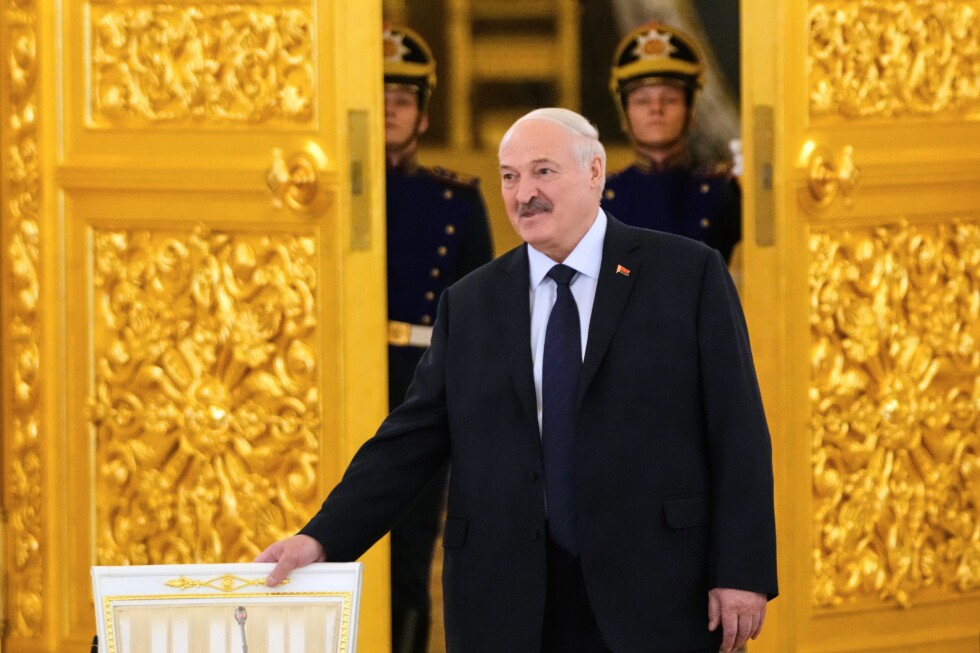
In a significant diplomatic development, Belarusian President Alexander Lukashenko has issued pardons for 18 additional prisoners, marking the latest gesture in his administration’s ongoing efforts to normalize relations with the United States. The presidential decree, announced Thursday, primarily benefits individuals convicted on extremism charges—a classification frequently employed against political dissidents in the Eastern European nation.
Notably, 11 of the newly pardoned prisoners are women, according to official statements released through government channels. This action represents the most recent chapter in a carefully orchestrated prisoner release initiative that has gained momentum since August, when direct communication occurred between Lukashenko and former U.S. President Donald Trump.
The current wave of releases has seen 123 detainees regain freedom since summer, including Nobel Peace Prize recipient Ales Bialiatski and opposition leaders Maria Kolesnikova and Viktar Babaryka. Washington has responded with tangible concessions, including the lifting of economic sanctions targeting Belarus’ vital potash fertilizer industry and its national carrier, Belavia Airlines.
U.S. Special Envoy for Belarus John Coale publicly applauded the developments on social media platform X, characterizing the pardons as ‘another notable step in the relationship between the U.S. and Belarus’ while acknowledging his mandate from President Trump to secure the release of all political prisoners.
Despite these diplomatic overtures, human rights organizations report that 1,140 political prisoners remain incarcerated in Belarusian correctional facilities. The Viasna Human Rights Center documents ongoing repression, noting that new arrests and convictions continue unabated even as some detainees are released.
This paradoxical situation manifested clearly this week as authorities sentenced prominent musician and poet Aleh Khamenka to three years imprisonment plus substantial fines for alleged extremist activities related to his collaboration with a banned radio station. Simultaneously, Belarus designated the PEN Belarus writers’ association as an extremist organization—a move that potentially criminalizes its 100+ members, including Nobel literature laureate Svetlana Alexievich and recently freed peace prize winner Bialiatski.
Tatsyana Nyadbay, head of PEN Belarus, condemned the government’s classification as ‘horrendous,’ warning that it deliberately endangers writers who remain within the country’s borders.