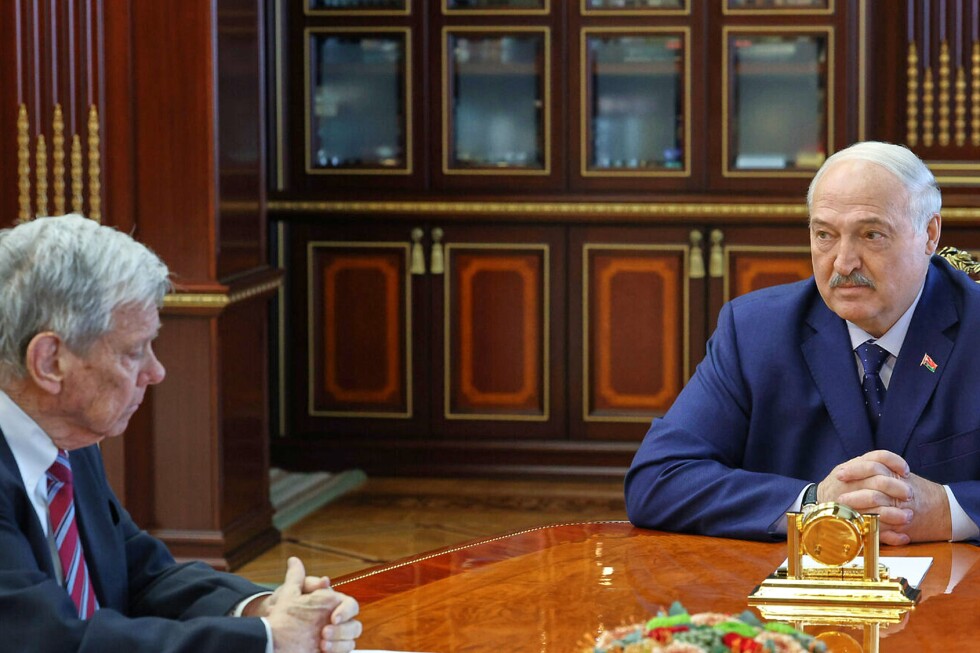
In a significant diplomatic development, Belarusian President Alexander Lukashenko convened with U.S. Special Envoy John Coale in Minsk on Thursday, marking a continued effort to normalize relations with Western nations. The high-level discussion centered on multiple critical issues, including the potential reopening of the U.S. Embassy in Minsk—which ceased operations in 2022—and the release of individuals classified as political prisoners.
This engagement represents the second such dialogue between Lukashenko’s administration and U.S. officials since December, when Washington responded to previous negotiations by easing certain sanctions and facilitating the release of 123 detainees to Ukraine and Lithuania. The Belarusian leader, who has maintained authoritarian control over the nation of 9.5 million people for over three decades, faces ongoing isolation from Western countries due to systematic human rights violations and his government’s complicity in Russia’s invasion of Ukraine.
The current diplomatic overture occurs against a backdrop of sustained international pressure. Lukashenko’s regime has been repeatedly sanctioned for its brutal suppression of dissent following the contested 2020 presidential election, which triggered mass protests and widespread allegations of electoral fraud. In the subsequent crackdown, tens of thousands were detained and subjected to police violence, forcing prominent opposition figures into exile or imprisonment.
Recent months have witnessed a strategic shift from Minsk, with the controlled release of several high-profile prisoners including Nobel Peace Prize laureate Ales Bialiatski and dissident leaders Siarhei Tsikhanouski, Viktar Babaryka, and Maria Kolesnikova. These actions coincide with Donald Trump’s return to the White House, culminating in a August 2025 phone conversation between the two leaders where Trump reportedly suggested a potential face-to-face meeting.
According to Coale’s post-meeting statements, discussions included the possibility of Lukashenko visiting the United States—a development that would represent a substantial diplomatic achievement for the isolated leader. However, exiled opposition leader Sviatlana Tsikhanouskaya cautioned that while prisoner releases are welcome, they must be accompanied by genuine systemic reforms. She noted that over 1,100 political prisoners remain detained in Belarus according to Viasna, the country’s leading human rights organization, and emphasized that Lukashenko frequently arrests new critics even as he releases others.