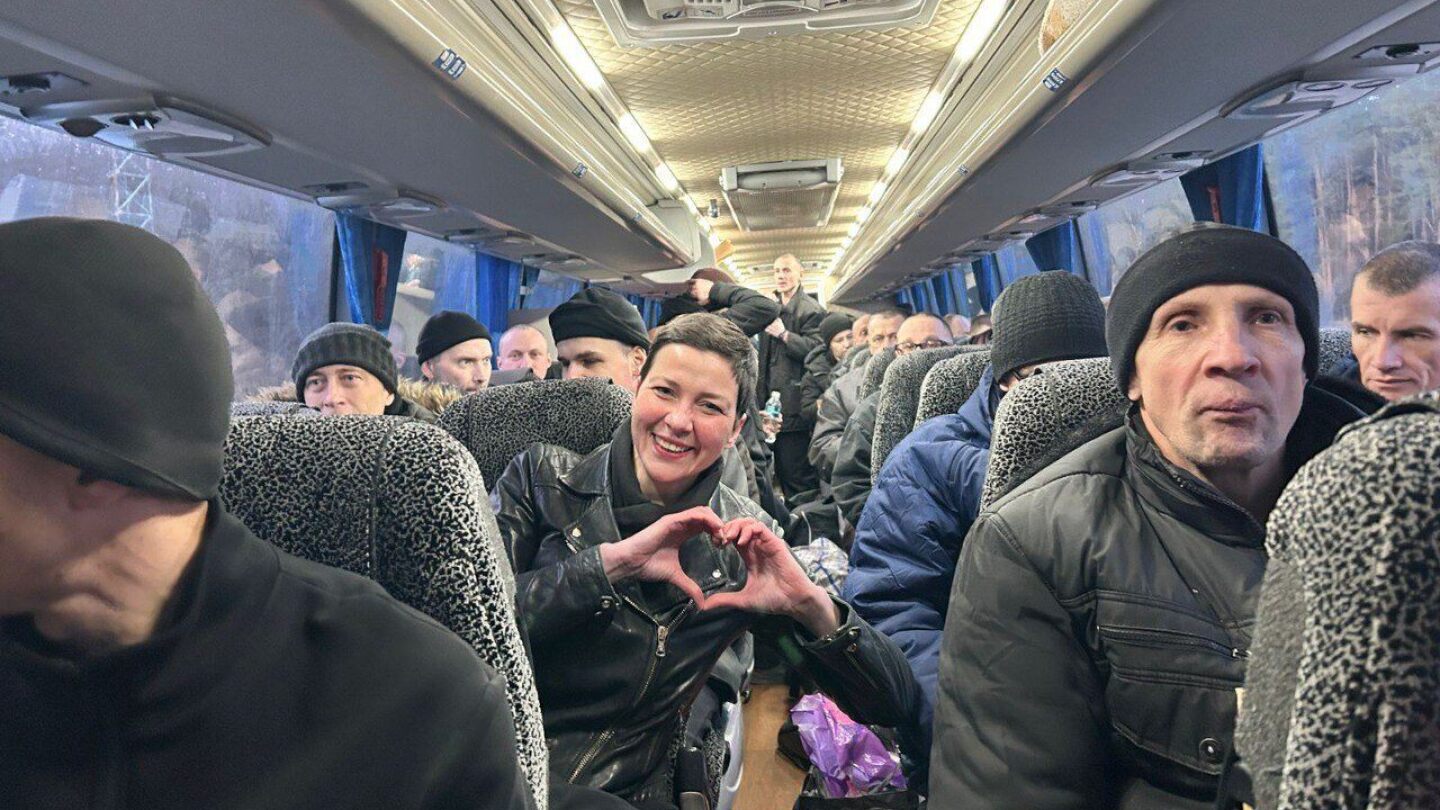
In a significant diplomatic breakthrough, Belarusian authorities have pardoned and released 123 political prisoners including Nobel Peace Prize laureate Ales Bialiatski and prominent opposition leader Maria Kolesnikova. The mass release on Saturday culminated two days of intensive negotiations between Minsk and Washington, resulting in the immediate lifting of U.S. sanctions on Belarus’s crucial potash fertilizer sector.
President Alexander Lukashenko’s administration, which has maintained authoritarian control over the Eastern European nation for three decades, secured the sanctions relief through what U.S. Special Envoy John Coale characterized as “very productive” discussions. The diplomatic engagement represents a notable shift in relations between the two nations, which have been strained by Belarus’s human rights record and its support for Russia’s military operations in Ukraine.
Among those freed were six citizens from U.S. allied nations and five Ukrainian citizens, according to a U.S. official who described the release as “a significant milestone in U.S.-Belarus engagement.” The official credited President Donald Trump’s administration with securing the release of over 200 political prisoners from Belarus since July 2024, including six previously detained U.S. citizens.
Bialiatski, the founder of the Viasna human rights organization who was imprisoned when awarded the Nobel Prize in 2022, described his unexpected release after 1,613 days of detention as emerging from “icy water into a normal, warm room.” Despite his emaciated condition, the activist vowed to continue advocating for the estimated thousand political prisoners remaining in Belarusian custody.
The prisoner exchange involved complex international coordination, with most freed individuals transported to Ukraine while others, including Bialiatski, were relocated to Lithuania. Ukrainian authorities confirmed receiving 114 civilians, including five of their nationals, while Belarusian officials suggested the arrangement involved reciprocal prisoner releases with Kyiv.
While welcoming the releases, exiled opposition leader Sviatlana Tsikhanouskaya cautioned against premature optimism, noting that Lukashenko “hasn’t changed his policies, his crackdown continues and he keeps on supporting Russia’s war against Ukraine.”
The sanctions relief particularly benefits Belarus’s potash industry, which previously accounted for approximately 20% of global exports before Western restrictions crippled production and export capabilities through Lithuanian ports. Analysts suggest Minsk hopes this initial U.S. concession will pave the way for easing more comprehensive European sanctions.
The bilateral discussions also addressed regional security concerns, including Russia’s ongoing invasion of Ukraine and tensions between Belarus and NATO-member Lithuania, which recently declared a national emergency over security risks posed by Belarusian meteorological balloons disrupting air traffic.