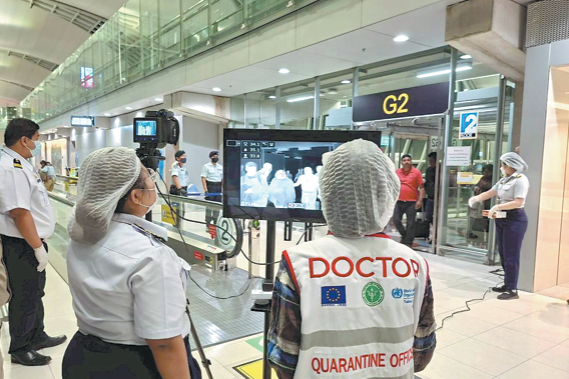
Chinese health authorities have activated comprehensive monitoring protocols in response to the Nipah virus outbreak detected in India’s West Bengal region, while confirming zero domestic infections to date. The National Disease Control and Prevention Administration reported Tuesday that risk assessment measures have been intensified despite the relatively low probability of cross-border transmission.
The Nipah virus, identified initially in Malaysia during the 1990s, represents a severe zoonotic pathogen with documented fatality rates ranging from 40% to 75% according to World Health Organization data. Transmission occurs primarily through fruit bats (the natural reservoir), pigs, and direct human-to-human contact. Clinical manifestations include high fever, respiratory distress, neurological complications, and potentially fatal encephalitis. No approved vaccines or specific antiviral treatments currently exist, with medical management limited to supportive care.
Chinese health officials emphasized the virus’s limited environmental persistence, noting that “the risk of public exposure remains low” due to the pathogen’s vulnerability outside host organisms. Nevertheless, the administration has strengthened border surveillance capabilities, enhanced laboratory testing preparedness, and maintained strategic stockpiles of Nipah-specific nucleic acid detection kits across all provincial-level disease control centers.
Notably, Chinese researchers have identified a promising therapeutic candidate—a repurposed COVID-19 antiviral demonstrating significant efficacy against Nipah in preliminary studies. This orally administered medication could potentially address the current treatment gap if clinical validation proves successful.
Neighboring Asian nations have implemented coordinated response measures. Thailand’s Civil Aviation Authority instituted mandatory health screenings for travelers arriving from West Bengal, while Myanmar heightened monitoring protocols due to its substantial fruit bat populations and shared borders with affected regions. Indian health authorities confirmed successful containment of the outbreak, with all 196 identified contacts testing negative following two confirmed cases.
The global health community continues to monitor the situation, balancing vigilance against unnecessary alarm given the outbreak’s current geographical limitation and contained status.