One of Australia’s largest food conglomerates, owner of household staples ranging from the iconic Vegemite spread to popular icy treats Zooper Doopers, has posted a sharp annual profit increase even as it warns that ongoing geopolitical unrest in the Middle East will push grocery prices higher and keep consumer sentiment depressed across the country.
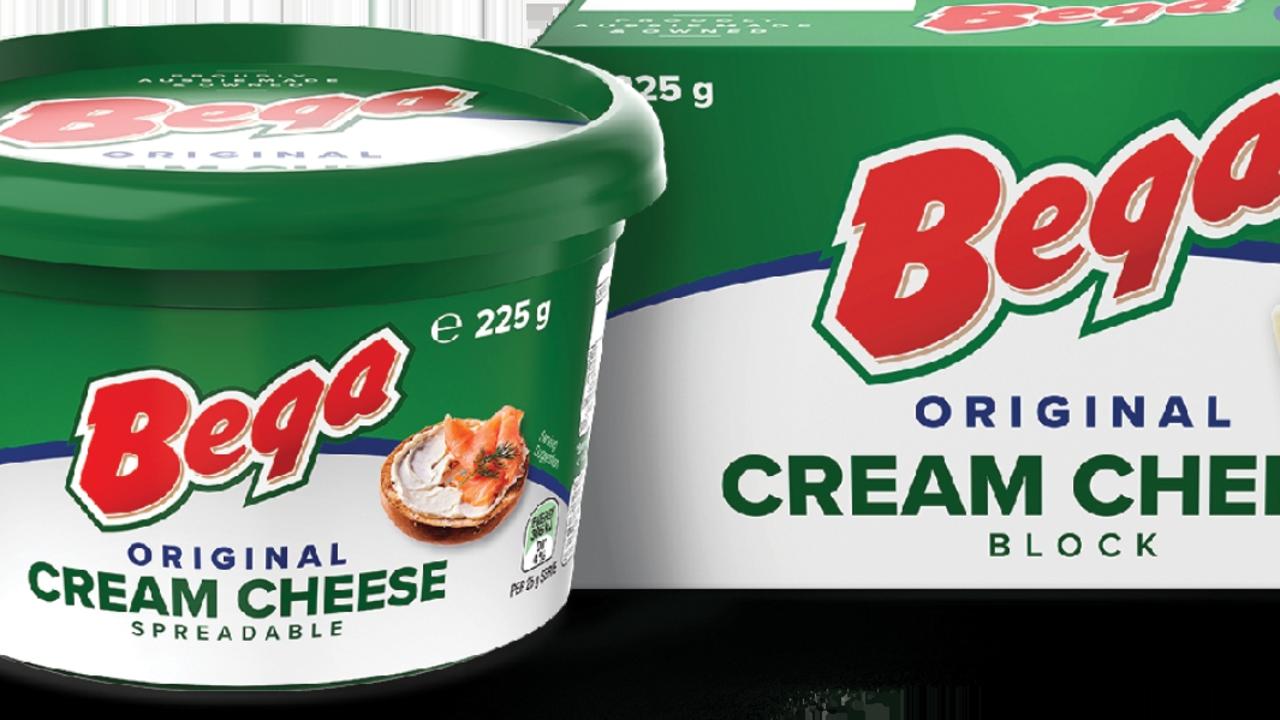
Bega Group, which controls a sprawling portfolio of well-known Australian food and beverage brands including Farmers Union and Yoplait yoghurts, Pura milk, Masters and Dare flavoured milks, and Mildura chilled juices, released its full-year financial results on Thursday. The firm reported a 35.8% surge in net profit to AU$69 million, a gain driven in part by cost-cutting measures following the permanent closure of its underperforming Victorian cheese factory, which eliminated redundant staff and infrastructure expenses.
Beyond the headline profit gain, the company’s annual report outlines growing headwinds for both consumers and the food manufacturing sector tied to the unfolding oil supply crunch stemming from Middle East conflicts. Disruptions to shipping traffic through the Strait of Hormuz, a critical global chokepoint for oil and petrochemical supplies, have already sent fuel prices soaring across Australia, and the full flow-on effects have not yet reached supermarket shelves, Bega officials warned.
The report notes that while consumer confidence has edged up slightly from the historic lows hit during last year’s global fuel crisis, overall sentiment remains firmly pessimistic. Australian households have slightly improved their assessment of their own immediate financial positions, but they have grown more gloomy about broader long-term economic outlooks. Bega’s leadership predicts that the delayed impact of Middle East supply disruptions will alter shopping patterns for a large share of Australian consumers, as rising energy and packaging costs push grocery prices higher.
In addition to fuel cost increases, the closure of the Strait of Hormuz has driven up prices for petrochemical-based food packaging, a core input for nearly all of Bega’s consumer products. To offset these pressures for shoppers, the company says it is doubling down on marketing its value-focused product lines, rolling out more frequent promotional pricing, and continuing internal efficiency overhauls to cut unnecessary operational costs.
Bega’s bulk dairy ingredients division also outperformed in the past year, posting a 37% rise in earnings, boosted by higher milk intake and growing global demand for its nutritional powder products.