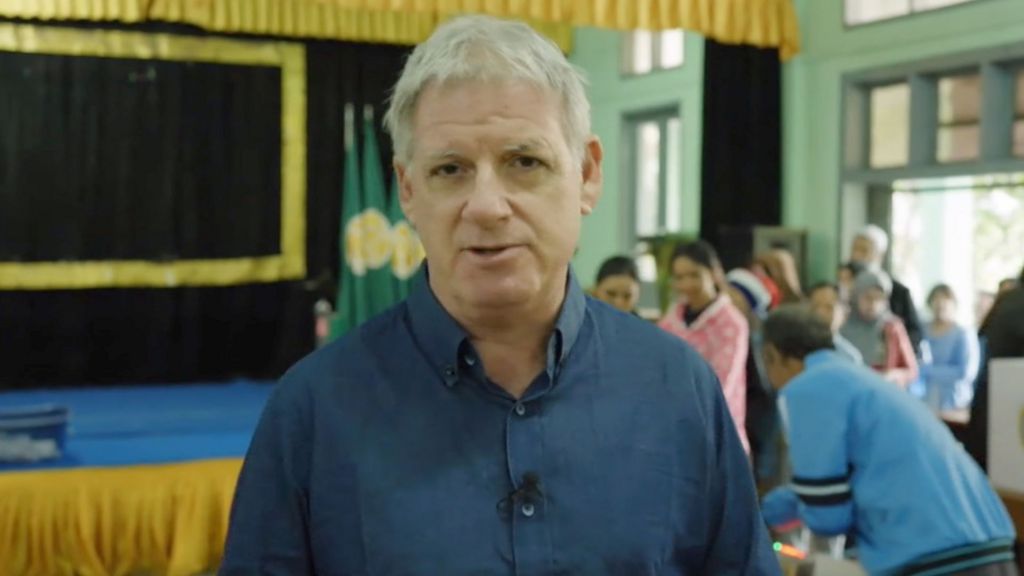
Amidst an intensifying civil conflict, Myanmar conducted national elections under circumstances described by international observers as profoundly compromised. A firsthand report from a BBC correspondent stationed within the country reveals a voting process marred by widespread apprehension and coercion.
Voters at polling stations, under the watchful eyes of military personnel, confided to journalists about the palpable atmosphere of fear inhibiting free political expression. This electoral event, criticized by many global powers as a sham, lacks participation from major opposition groups and is being held while the nation is engulfed in severe internal strife. The ongoing civil war between the ruling military junta and various ethnic armed organizations, alongside pro-democracy resistance forces, has displaced millions and created a humanitarian crisis, forming a stark backdrop to the polling process.
The junta’s justification for the election centers on a purported “roadmap back to democracy,” a claim heavily disputed by Western nations and the Association of Southeast Asian Nations (ASEAN). Analysts suggest the primary objective of the vote is to cement the military’s political control under a veneer of legitimacy, rather than to facilitate a genuine democratic transition. The international community remains largely skeptical, with many preparing to reject the outcome of a process they deem fundamentally illegitimate and unrepresentative of the Myanmar people’s will.