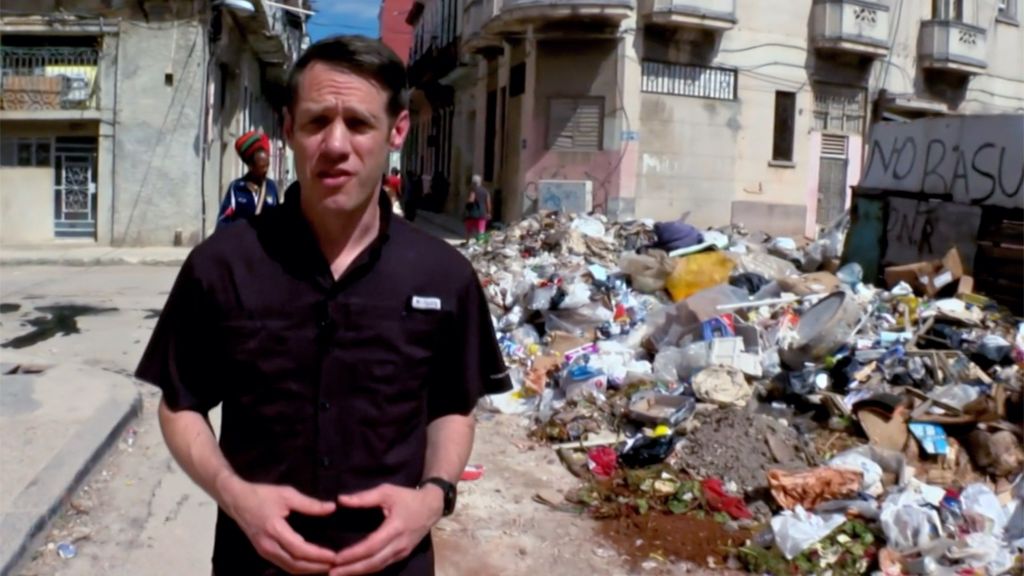
Cuba is confronting one of its most severe energy crises in recent history, with widespread fuel shortages creating profound challenges for daily life. The BBC’s on-the-ground reporting from Havana reveals a population adapting to extended power outages and transportation paralysis. Correspondent Will Grant documents how citizens spend hours in queues for rationed gasoline while businesses operate on limited schedules due to unreliable electricity supply.
The current situation stems from a complex combination of factors including tightened US sanctions, structural deficiencies in domestic infrastructure, and broader economic vulnerabilities. These elements have converged to create an energy emergency that impacts nearly every aspect of Cuban society.
Interviews with local residents reveal innovative adaptation strategies, from carpooling initiatives to revived bicycle transportation. Many describe reorganizing their lives around the predictable unpredictability of power availability, scheduling cooking, work, and family activities during windows of electricity access.
The energy deficit has particularly affected medical services, education, and food preservation, raising concerns about public health implications. Despite these challenges, the reporting captures a resilient population demonstrating remarkable ingenuity in navigating the crisis while maintaining hope for improved conditions.