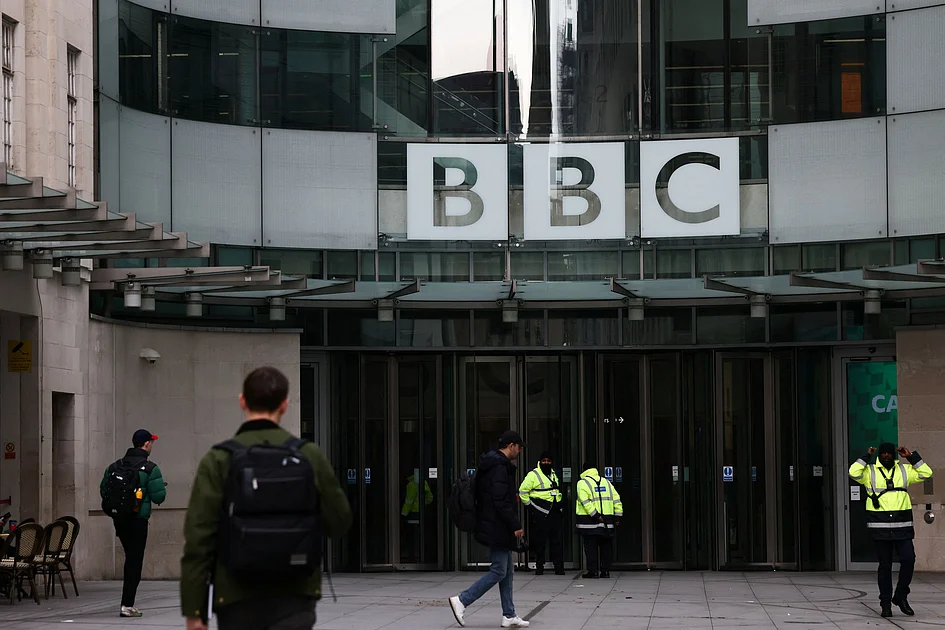
The British Broadcasting Corporation (BBC), a cornerstone of the UK’s media landscape, finds itself embroiled in a heated debate over its role in an increasingly polarized political and social environment. Accusations of bias and challenges to its impartiality have placed the BBC under unprecedented scrutiny, particularly following a controversial documentary that allegedly misrepresented a speech by former US President Donald Trump. The broadcaster, funded by the public, is often used as a political football, criticized for its coverage of contentious issues ranging from climate change to Brexit. Despite these challenges, the BBC remains the most popular news source in the UK, according to media watchdog Ofcom. However, a recent YouGov poll reveals a divided public opinion, with 31% perceiving the BBC as too left-wing and 19% as too right-wing. BBC Chairman Samir Shah has defended the organization’s commitment to impartiality, emphasizing its ‘sacred job’ of upholding the truth. Yet, the BBC continues to face criticism from both ends of the political spectrum, with Conservative lawmakers accusing it of focusing excessively on liberal and urban issues, while others praise its role in countering misinformation. The BBC’s international World Service, which reaches over 318 million people weekly, remains a beacon of reliable journalism globally. However, growing distrust in traditional media and the rise of sensationalist platforms like GB News pose significant challenges to the BBC’s influence, particularly among younger audiences. As the broadcaster navigates these turbulent waters, its ability to maintain public trust and adapt to evolving media consumption habits will be critical to its future.