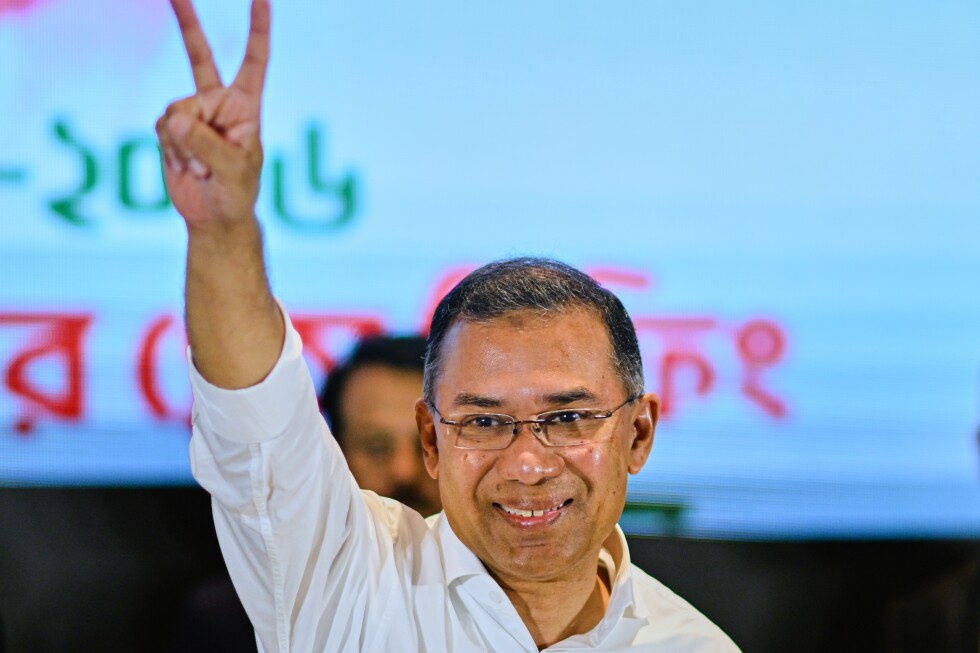
DHAKA, Bangladesh — The political landscape of Bangladesh has undergone a profound transformation following the landmark general election that has positioned Tarique Rahman’s Bangladesh Nationalist Party (BNP) to form the next government. In his inaugural press conference held in the capital on Saturday, Rahman committed to steering the nation toward strengthened democratic institutions amid significant challenges inherited from the previous administration.
The BNP secured a decisive majority in the 350-seat parliamentary body during Thursday’s electoral process, which international observers noted for its largely peaceful conduct under the supervision of an interim government led by Nobel Peace Prize recipient Muhammad Yunus. This election represents the first democratic exercise since the dramatic ousting of former Prime Minister Sheikh Hasina during the widespread public uprising of 2024.
Rahman outlined his administration’s immediate priorities, emphasizing the urgent need to address economic fragility and restore law and order. “We are commencing our governance journey facing a vulnerable economy left by the authoritarian regime, compromised constitutional institutions, and deteriorating public safety conditions,” he stated before assembled journalists.
The political transition marks a significant milestone for the South Asian nation of over 170 million people, with the Jamaat-e-Islami party-led alliance positioned to assume opposition responsibilities. Rahman, whose mother served as former Prime Minister Khaleda Zia until her passing in December, extended an olive branch to political adversaries while emphasizing national unity.
“To prevent the resurgence of autocratic forces and ensure our nation never becomes subservient to external interests, we must maintain collective vigilance and honor the democratic will of our citizens,” Rahman asserted.
The BNP, one of Bangladesh’s established political entities, had previously boycotted elections during Hasina’s 15-year tenure, which critics increasingly characterized as authoritarian. Hasina, currently in exile in India, faces convictions for crimes against humanity related to hundreds of fatalities during the 2024 uprising that ended her administration. Her Awami League party has since been prohibited from political activities.
The new government is anticipated to be formally sworn into office within coming days, marking a new chapter in Bangladesh’s democratic evolution.