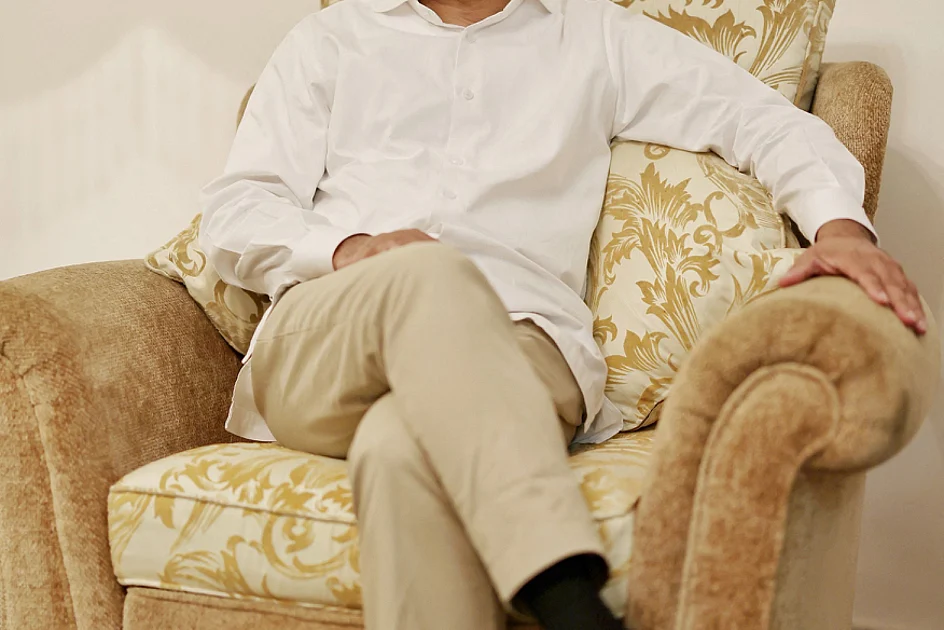
In an extraordinary political turnaround, Tarique Rahman stands on the precipice of assuming Bangladesh’s highest office following the February 14 general election, marking a dramatic reversal from his seventeen-year exile in London. The soft-spoken 60-year-old leader of the Bangladesh Nationalist Party (BNP) has undergone a significant image transformation since his triumphant return last Christmas, adopting a conciliatory approach that emphasizes national reconciliation over political retaliation.
Rahman’s homecoming followed the youth-led uprising that unseated his political rival, long-serving Prime Minister Sheikh Hasina of the Awami League, in August 2024. The former exile, who left Bangladesh in 2008 citing medical needs after his release from detention during a military-backed anti-corruption campaign, received a hero’s welcome upon his return. His journey from London exile to prime ministerial contender represents one of the most remarkable narratives in contemporary South Asian politics.
The scion of Bangladesh’s prominent political dynasty—son of former President Ziaur Rahman, a key independence figure assassinated in 1981, and former Prime Minister Khaleda Zia—Rahman has pledged to recalibrate the nation’s international partnerships. His proposed foreign policy approach seeks to attract diversified investment without aligning too closely with any single global power, contrasting sharply with Hasina’s perceived proximity to New Delhi.
Domestically, Rahman’s platform includes expanding financial assistance programs for impoverished families, reducing economic dependence on garment exports through promotion of alternative industries like toys and leather goods, and implementing constitutional reforms to limit prime ministers to two five-year terms—a measure designed to prevent autocratic tendencies.
Since arriving in Dhaka with his cardiologist wife and barrister daughter Zaima, who has been actively campaigning for her father, Rahman has maintained an unexpectedly restrained political demeanor. He has consciously avoided inflammatory rhetoric, instead emphasizing peace, stability, and institutional rebuilding. This represents a deliberate departure from his previous reputation as an influential behind-the-scenes operator during his mother’s premiership from 2001-2006, when critics accused him of running a parallel government—charges he consistently denies.
Rahman’s political rehabilitation follows years of legal challenges under Hasina’s administration, including corruption convictions and a life sentence in absentia for a 2004 grenade attack on a political rally—all of which he characterized as politically motivated and which have since been overturned following Hasina’s ouster. From his London base, he witnessed his party’s marginalization through successive elections, with senior leaders imprisoned and party operations severely constrained.
The BNP leader now emphasizes democratic restoration as his paramount priority, asserting that only through accountable governance can Bangladesh achieve prosperity. His message of national renewal, combined with a carefully managed public image bolstered by social media presence including his family’s viral Siberian cat, has energized party supporters eager for political change after nearly two decades of Hasina’s rule.
Despite his dynastic origins, Rahman insists his focus remains on establishing genuine democratic practices rather than perpetuating family legacy. With direct oversight of candidate selection, electoral strategy, and alliance negotiations, he maintains firm control over his party’s operations as Bangladesh prepares for a potentially transformative political chapter.