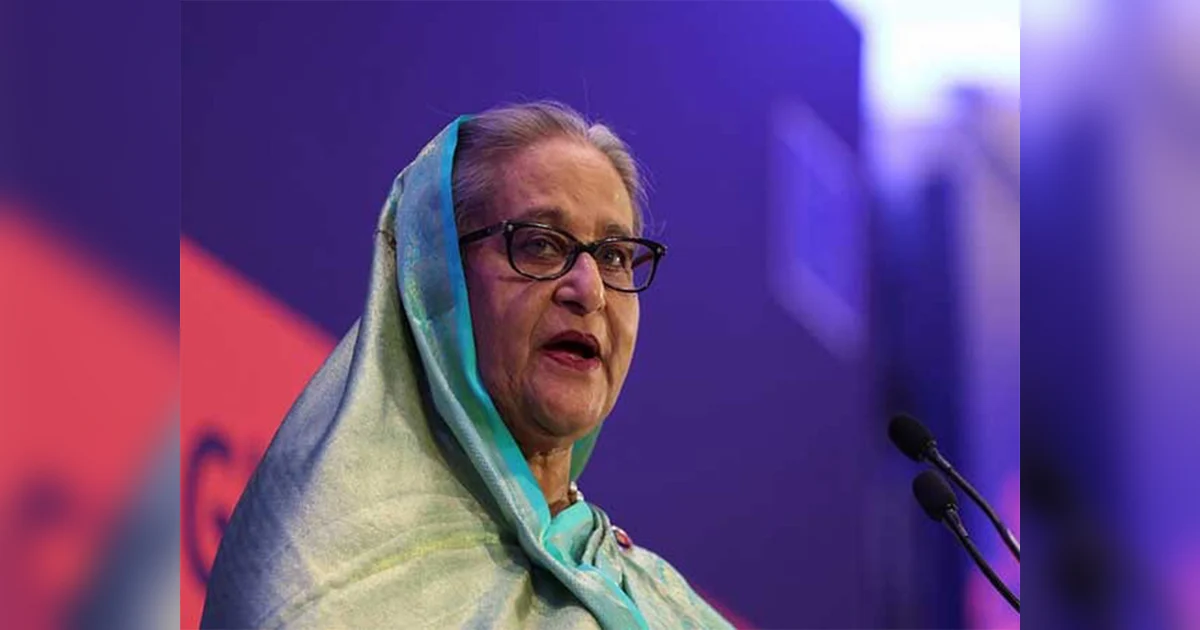
Sheikh Hasina, the former Prime Minister of Bangladesh, once celebrated for her role in the nation’s economic transformation, has been sentenced to death for crimes against humanity. The verdict, delivered on Monday, marks a dramatic fall from grace for the 78-year-old leader, who fled to India in August 2024 following a violent uprising that saw her palace stormed by enraged crowds. Hasina has remained in hiding since, defying court orders to return for her trial. The court in Dhaka found her guilty on three counts, including incitement to kill and failure to prevent atrocities during the 2024 student-led uprising, which resulted in the deaths of up to 1,400 people, according to the United Nations. Chief prosecutor Tajul Islam described Hasina as the central figure behind the crimes committed during the unrest. The trial, which began on June 1, featured harrowing testimonies, including that of a man severely injured by gunfire, and audio recordings allegedly capturing Hasina ordering security forces to use lethal force against protesters. Hasina, who dismissed the trial as a “jurisprudential joke,” was already convicted of contempt of court in July 2024 and sentenced to six months in prison in absentia. She also faces multiple corruption charges involving her family members, including her daughter Saima Wazed, a former UN official, and her niece Tulip Siddiq, a British lawmaker. Both deny the allegations. Hasina’s political career, marked by a bitter rivalry with Khaleda Zia of the Bangladesh Nationalist Party (BNP), saw her rise to power in 1996 and again in 2008, during which she oversaw significant economic growth. However, her autocratic rule ended with the 2024 uprising. Analysts, including Thomas Kean of the International Crisis Group, believe her chances of a political comeback are now negligible. Meanwhile, Zia, aged 80, is set to contest the 2026 elections, with her BNP emerging as a strong contender.