As Bangladesh approaches its first competitive national election since 2009, Generation Z voters are emerging as a decisive political force with clear demands for economic opportunity, governance reform, and civil liberties. Thursday’s pivotal vote follows the 2024 student-led uprising that toppled longtime Prime Minister Sheikh Hasina, whose Awami League party remains barred from contesting due to suspended registration.
The electoral landscape presents a complex choice for the nation’s substantial youth demographic, who constitute approximately 28% of Bangladesh’s 175 million population. Despite their instrumental role in Hasina’s ouster, young voters now face a political arena dominated by established parties—the Bangladesh Nationalist Party (BNP) and Islamist Jamaat-e-Islami—with no comprehensive reform agenda or viable new alternative having emerged.
Economic concerns dominate youth priorities, with unemployment representing a particularly acute challenge. National University graduates face disproportionate employment difficulties, with an estimated 86% unemployment rate among the institution’s extensive network of 2,200 colleges. “We need IT-based education to compete globally,” emphasized Mohammed Muniruzzaman, 21, echoing widespread demands for educational reform aligned with modern job markets.
Civil liberties and governance transparency constitute equally critical issues for young voters. Journalist Mohammed Saimum Jahan, 22, articulated concerns about freedom of expression: “We couldn’t speak freely during what many considered a fascist period. We need the freedom to criticize government, whoever holds power.”
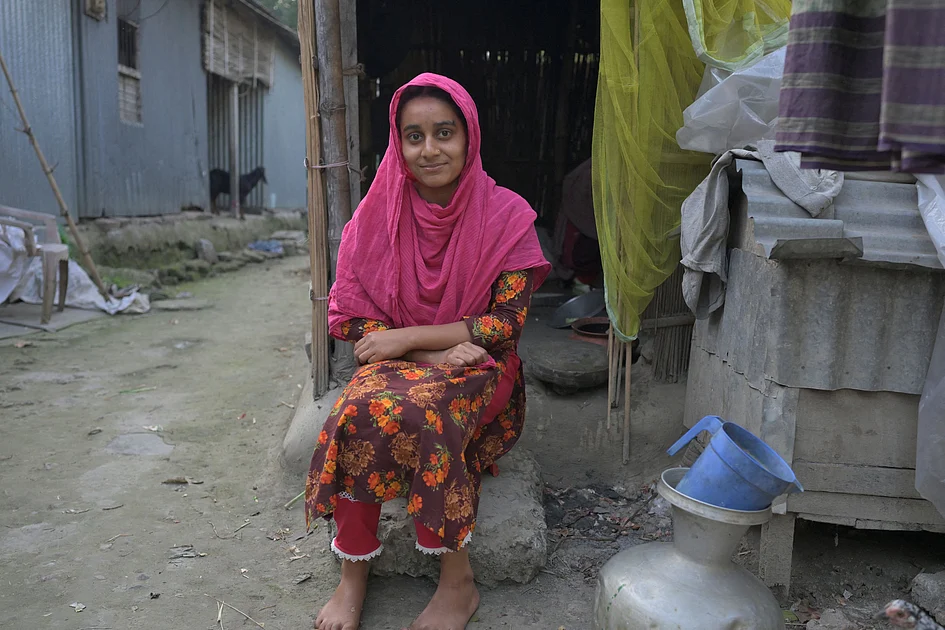
Regional variations in priorities are evident, with rural youth emphasizing agricultural economics. Farhana Akhter, 21, from a Bogura farming family, highlighted market inequities: “We invest significantly in seeds and fertilizer but receive unfair rates for our produce. We hope for gradual improvement.”
Political analysts present diverging predictions regarding youth voting patterns. Professor Shakil Ahmed of Jahangirnagar University suggests BNP may benefit from youth discontent, while University of Dhaka’s Asif Shahan believes Jamaat-e-Islami could gain significant support. Some voters indicate preferences for local candidates over national parties, seeking practical solutions rather than ideological alignment.
The election’s outcome carries profound implications for national stability following months of unrest that disrupted major industries, including the crucial garment sector. Beyond economic and governance issues, minority safety concerns and interfaith harmony also feature prominently in voter considerations, reflecting the complex social fabric of this Muslim-majority nation.