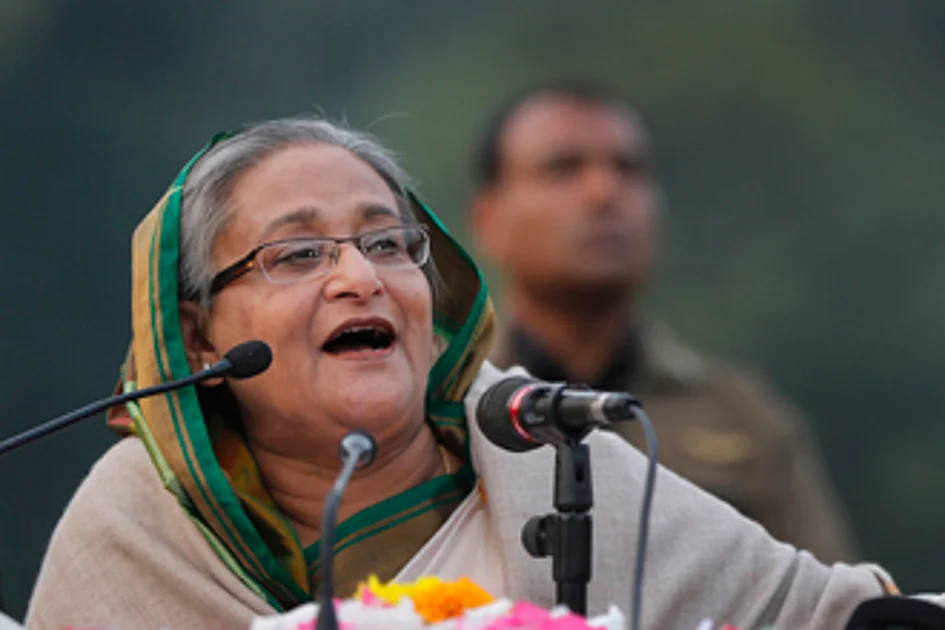
In a dramatic audio address broadcast from undisclosed locations in India, Bangladesh’s deposed Prime Minister Sheikh Hasina has launched scathing criticisms against the upcoming February elections, declaring them fundamentally compromised. The 78-year-old leader, now living in exile since her August 2024 ousting following massive student-led protests, broke her prolonged public silence to challenge the legitimacy of the electoral process.
Hasina’s forceful condemnation came during a panel discussion titled ‘Bangladesh at the Crossroads’ hosted in New Delhi, where she asserted that genuine democracy remains elusive under the current transitional government. Her message reached over 100,000 online viewers simultaneously, creating immediate political reverberations across South Asia.
The former leader, who previously governed Bangladesh for fifteen consecutive years, faces a death sentence imposed in absentia by a Dhaka court last November. The conviction centered on charges of crimes against humanity, including incitement to violence and systematic failure to prevent atrocities during her administration.
Current interim leader Muhammad Yunus, the Nobel Peace Prize laureate recalled from exile to helm the caretaker government, maintains that the February 12 vote will establish new benchmarks for electoral integrity. Official statements from Yunus’ office emphasize the administration’s commitment to transparent and credible elections.
However, Hasina specifically targeted Yunus in her address, describing his influence as an oppressive shadow over Bangladeshi democracy. Her Awami League party, once the nation’s dominant political force, now operates under official prohibition with its activities criminalized.
The escalating tension between these rival visions for Bangladesh’s future complicates already delicate diplomatic relations between India and Bangladesh. New Delhi’s decision to provide sanctuary to the deposed leader has generated sustained friction since the transfer of power.