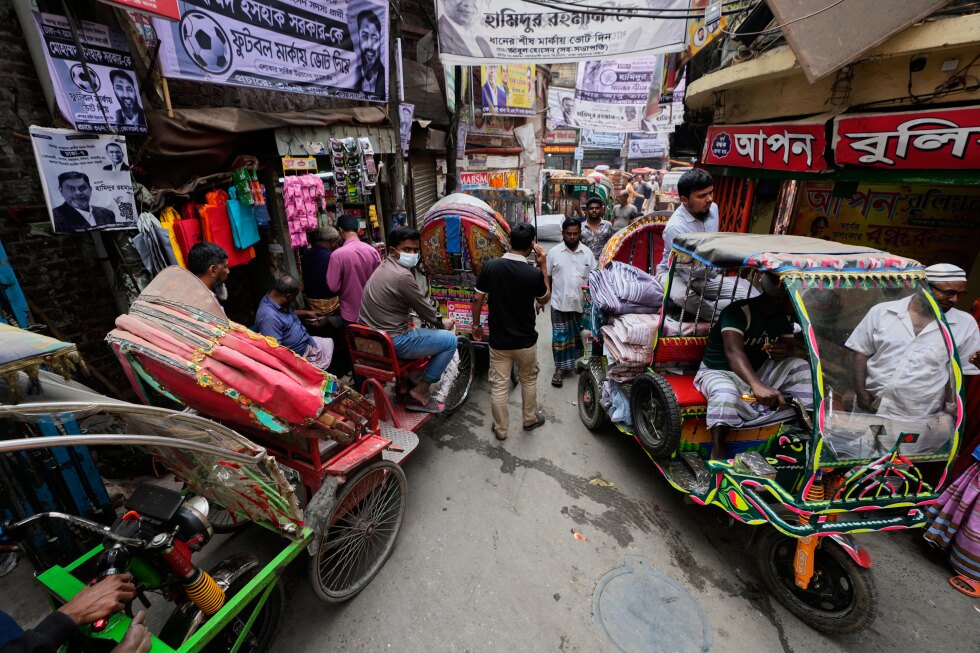
DHAKA, Bangladesh — Bangladesh stands at a historic crossroads as millions of citizens prepare to participate in Thursday’s pivotal parliamentary elections. This electoral event marks the first national vote since the 2024 mass uprising that ended former Prime Minister Sheikh Hasina’s 15-year administration, generating unprecedented public anticipation for democratic restoration after years of contested elections and constricted political freedoms.
Under the supervision of an interim government led by Nobel Peace Prize recipient Muhammad Yunus, the electoral process has committed to ensuring transparency and fairness. The administration has implemented substantial procedural innovations, including the inaugural introduction of postal voting for Bangladesh’s extensive expatriate community—a transformative step toward inclusive democratic participation.
With 127 million eligible voters selecting representatives from 1,981 candidates across 300 directly elected constituencies, the electoral mechanics reflect Bangladesh’s constitutional framework. The 350-seat Parliament includes 50 seats reserved for female representatives, operating under a first-past-the-post system for five-year terms.
International scrutiny intensifies as approximately 500 foreign observers from organizations including the European Union and Commonwealth monitor proceedings. Concurrently, citizens will consider referendum proposals establishing prime ministerial term limits, enhanced executive checks and balances, and safeguards against parliamentary power consolidation.
This election represents a critical examination of Bangladesh’s democratic institutions, which have oscillated between military governance and fragile civilian rule since the 1971 independence from Pakistan. Catherine Cooper, staff attorney at the Robert & Ethel Kennedy Human Rights Center, emphasized that “the future of Bangladesh rests with its citizens and elected leaders to ensure stability as a rights-respecting democracy.”
The political landscape witnesses a dramatic reconfiguration with the absence of Hasina’s banned Awami League. The Bangladesh Nationalist Party (BNP), led by Tarique Rahman—son of former Prime Minister Khaleda Zia—has emerged as the frontrunner following Rahman’s return from 17 years of self-exile. His platform promises institutional rebuilding, rule of law restoration, and economic revitalization.
Opposing the BNP, an 11-party coalition led by the recently legalized Jamaat-e-Islami seeks expanded political influence. This alliance incorporates the newly established National Citizen Party, founded by leaders of the 2024 uprising that precipitated the current political transition.
Concerns persist regarding rising religious tensions, particularly affecting Bangladesh’s Hindu minority (approximately 8% of the population). Reports of increased intimidation and violence against religious minorities have raised alarms about potential exploitation of sectarian divisions for political gain.
The election additionally serves as a measure of youth activism’s capacity to institutionalize democratic change, with nearly 5 million first-time voters participating. Their engagement will test whether protest movements can translate into enduring structural reforms.