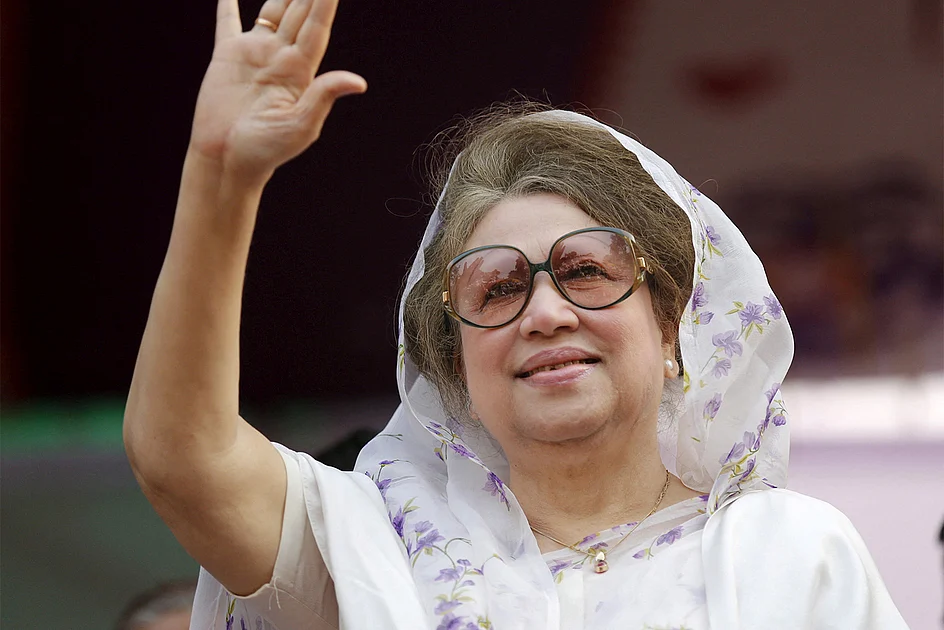
Bangladesh’s political landscape faces unprecedented uncertainty as former Prime Minister Khaleda Zia battles critical health complications at a Dhaka medical facility. The 80-year-old leader of the Bangladesh Nationalist Party (BNP) was hospitalized on November 23rd with a severe cardiopulmonary infection that has placed her in life-threatening condition, according to senior party officials and treating physicians.
The medical crisis coincides with mounting speculation about the potential return of her son Tarique Rahman, the BNP’s acting chairman who has resided in London since 2008. In a carefully worded social media statement, Rahman indicated that decisions regarding his homecoming were “not entirely” within his control, despite recent legal developments that have cleared his path.
This political drama unfolds against the backdrop of Bangladesh’s transformed governmental structure. The interim administration led by Nobel Peace laureate Muhammad Yunus has explicitly stated it maintains no objections to Rahman’s return. “There are no obstacles in this matter,” confirmed Yunus’ press secretary Shafiqul Alam through official channels.
Foreign Ministry representatives further clarified that travel documentation could be arranged within 24 hours should Rahman express definitive return intentions. This marks a dramatic reversal from previous administrations, as all outstanding legal cases against Rahman have been dismissed following the ouster of long-serving Prime Minister Sheikh Hasina in August 2024.
The BNP, which had boycotted consecutive elections in 2014 and 2024, has experienced remarkable political resurgence since the student-led uprising that ended Hasina’s tenure. Party insiders now view the organization as a primary contender in Bangladesh’s rapidly evolving power structure, with Khaleda’s health crisis and her son’s potential return representing pivotal moments in the nation’s democratic transition.