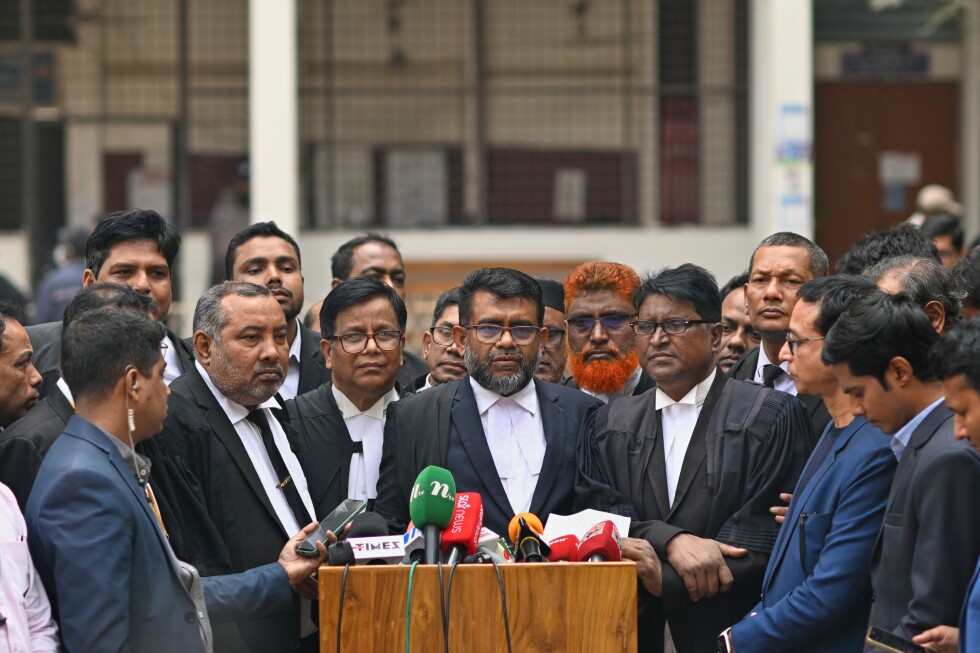
A Bangladeshi special court has delivered significant prison sentences to former Prime Minister Sheikh Hasina and multiple family members in high-profile corruption cases related to a government housing project. The Special Judge’s Court-4, presided over by Judge Mohammed Rabiul Alam, imposed a 10-year prison term on Hasina while handing four-year and seven-year sentences to her British parliamentarian niece Tulip Siddiq and other relatives respectively.
The convictions stem from allegations brought by Bangladesh’s official anti-corruption agency, which accused the former leader of illegally obtaining six residential plots in the Purbachal New Town Project near Dhaka for herself and ineligible family members. The prosecution contended that Hasina colluded with government officials to circumvent eligibility regulations governing the township development.
This judicial development occurs during a critical period as the interim administration under Nobel Peace Prize recipient Muhammad Yunus prepares for February 12 national elections. The political landscape has been dramatically altered by the banning of Hasina’s former ruling Awami League party from electoral participation.
Both Hasina and Siddiq have vehemently denied the allegations, with Siddiq emphasizing her status as a British citizen who received no government land during her aunt’s 15-year administration. The prosecution maintained that Siddiq influenced the allocation process to benefit her mother and siblings—claims she has categorically rejected.
These latest convictions add to Hasina’s existing legal challenges, including four previous corruption cases related to the same project that resulted in cumulative prison sentences totaling 26 years. Multiple family members, including her son Sajeeb Wazed and daughter Saima Wazed, have received five-year sentences each, while her sister Sheikh Rehana was sentenced to seven years. All convicted parties currently reside abroad.
Hasina has been in exile in India since August 2024 following her ouster during widespread student-led protests that ended her lengthy tenure. She additionally faces a death sentence from a separate tribunal addressing crimes against humanity allegations connected to hundreds of fatalities during the uprising. The former leader has consistently denounced the judicial proceedings as politically motivated ‘kangaroo court’ actions.
Diplomatic dimensions continue to evolve as Bangladesh’s request for Hasina’s extradition from India remains unanswered, creating ongoing tension between the neighboring nations during this transitional period.