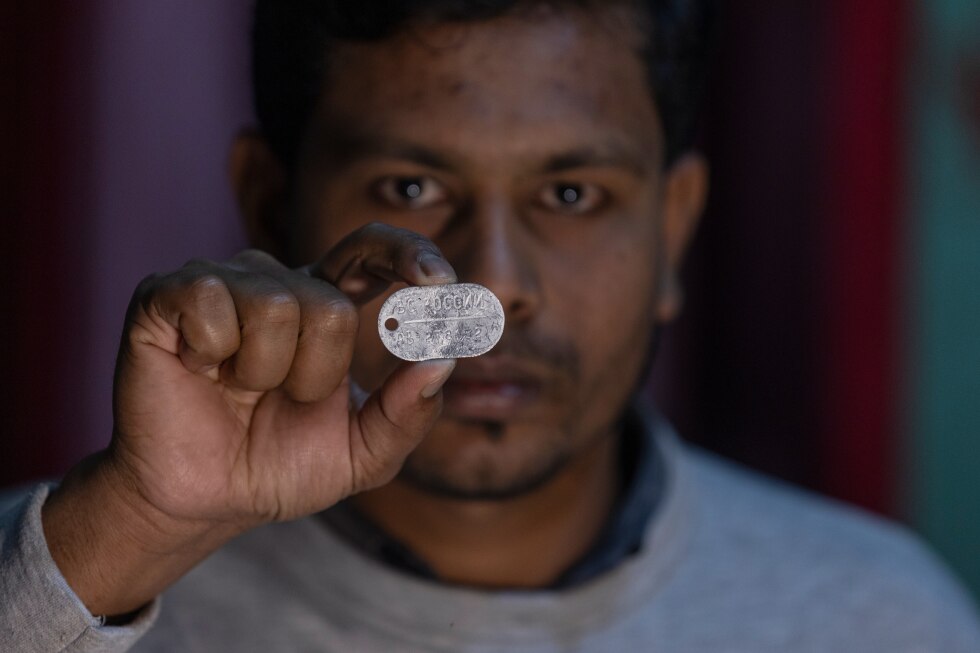
An extensive investigation by The Associated Press has uncovered a systematic pattern of human trafficking wherein Russian military operatives and labor recruiters are deliberately deceiving Bangladeshi nationals into combat roles in Ukraine under false pretenses of civilian employment.
The scheme begins with aggressive recruitment in Bangladesh’s impoverished regions, where brokers promise lucrative salaries of $1,000-$1,500 monthly for non-combat positions such as janitors, chefs, and laundry attendants in Russia. Desperate workers often take substantial loans—up to $9,800—to pay broker fees, viewing overseas employment as their only economic opportunity.
Upon arrival in Moscow, victims are immediately coerced into signing Russian military contracts they cannot comprehend. Subsequently transported to military facilities, they receive abbreviated combat training—typically just three days—covering weapons handling, drone warfare, and medical evacuation procedures before being deployed to frontlines.
Multiple eyewitness accounts describe brutal treatment: recruits face severe beatings, torture with shovels, confinement in basement cells, and threats of imprisonment or execution for non-compliance. They are systematically positioned ahead of Russian forces during advances, forced to transport supplies under fire, and retrieve casualties amid intense drone warfare.
The scale of this trafficking operation remains unclear, though witnesses report observing hundreds of South Asian combatants alongside Russian units. Similar recruitment patterns have emerged targeting vulnerable populations in India, Nepal, and African nations.
Bangladeshi authorities have initiated investigations, uncovering intermediary networks with connections to Russian government entities. At least 40 Bangladeshi nationals are believed to have perished in combat, though official confirmation remains elusive as both Russian and Bangladeshi governments have declined to respond to inquiries.
Families of missing personnel cling to documents—military contracts, visa papers, and dog tags—as potential evidence for repatriation efforts. Meanwhile, advocacy organizations like BRAC have identified at least 10 confirmed cases and suspect many more unreported instances of coerced military service.
This exploitation highlights broader systemic issues: Russia’s deliberate targeting of economically vulnerable populations to supplement its military manpower, and the inadequate protections for migrant workers caught in geopolitical conflicts beyond their comprehension or consent.