Bangladesh stands at a historic political crossroads as citizens prepare for Thursday’s parliamentary elections, marking the nation’s first genuinely competitive electoral contest since 2009. This watershed moment follows the 2024 uprising that ousted former Prime Minister Sheikh Hasina after her 15-year administration, with her Awami League party now banned from participation.
The political landscape has undergone a dramatic reversal from previous elections where opposition voices were systematically suppressed through boycotts and mass arrests. Now, campaign materials from multiple parties adorn streets across the country, creating an unprecedented visual tapestry of democratic engagement.
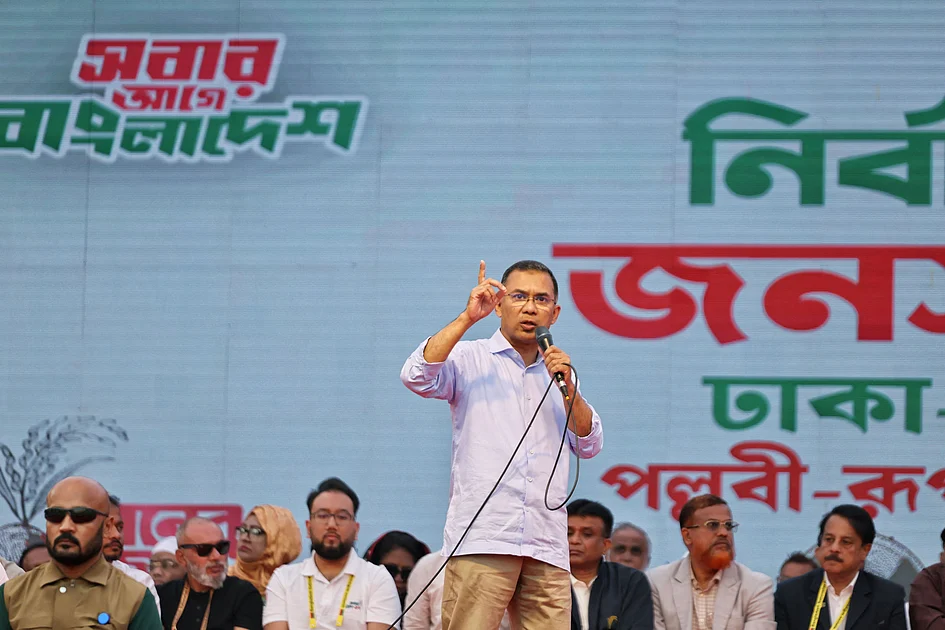
The Bangladesh Nationalist Party (BNP), contesting 292 of the 300 parliamentary seats, emerges as the frontrunner according to most analysts. Party leader Tarique Rahman expressed confidence in securing sufficient seats to form a government. However, the BNP faces substantial challenge from a coalition led by Jamaat-e-Islami, which has aligned with a new Generation Z activist party that previously spearheaded anti-Hasina street mobilizations.
This election carries profound implications for regional geopolitics, potentially reshaping the influence of rival powers China and India. Beijing has gained standing since Hasina’s perceived pro-India stance culminated in her fleeing to New Delhi after her ouster. A Jamaat-led government might tilt closer to Pakistan, while the BNP is viewed as more amenable to Indian interests.
With 175 million citizens seeking stability after months of post-uprising unrest that disrupted major industries including the vital garment sector, analysts emphasize the critical need for a decisive electoral outcome. Approximately one-quarter of the electorate belongs to Generation Z, whose voting preferences could substantially influence the final results.
The election occurs against a backdrop of severe economic challenges, including high inflation, dwindling reserves, and slowed investment that has compelled Bangladesh to seek large-scale international financing. Voter surveys identify corruption as the primary concern, followed by economic pressures, with many citizens expressing hope for restored democratic freedoms regardless of which party prevails.