In a significant development for bilateral trade relations, Bangladesh and the United States have formally inked a reciprocal tariff agreement. The accord, announced on Monday, February 9, 2026, marks a substantial reduction in U.S. import duties on a range of Bangladeshi goods, lowering the tariff rate to 19 percent.
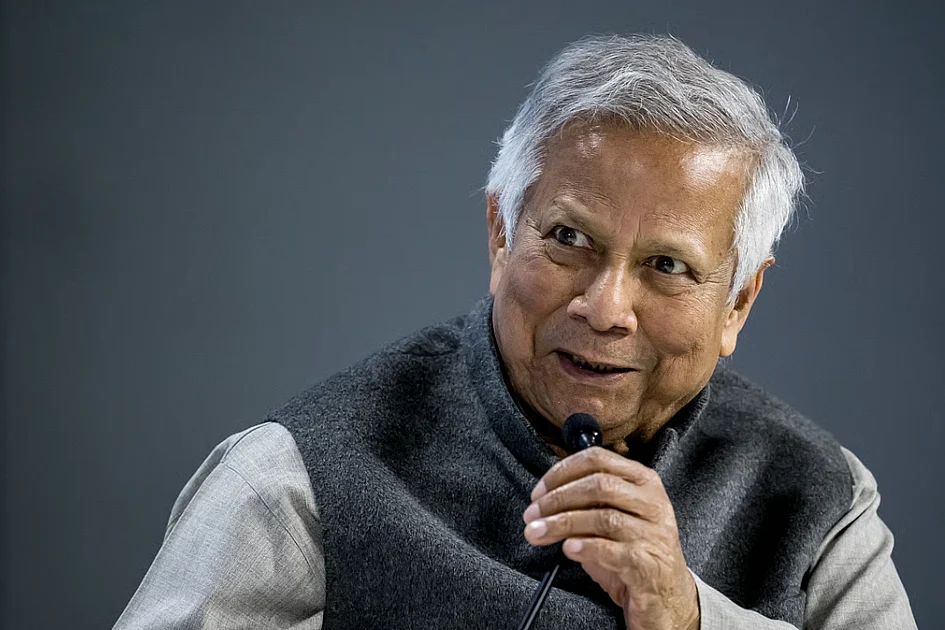
The breakthrough was confirmed by Bangladesh Chief Adviser Muhammad Yunus via a social media post. Beyond the broad tariff reduction, the agreement includes a pivotal commitment from the U.S. to establish a specialized mechanism. This provision will grant certain textile and apparel articles from Bangladesh eligibility for a zero-tariff status when entering the U.S. market, contingent on their manufacture using U.S.-origin cotton and man-made fibers.
This strategic partnership is poised to reshape the economic dynamics between the two nations. For Bangladesh, a global powerhouse in ready-made garments, the pact offers enhanced access to one of the world’s largest consumer markets. It incentivizes the use of American raw materials, creating a potential new supply chain synergy. For the United States, the agreement strengthens economic ties with a key South Asian partner and promotes the export of its primary goods, particularly cotton. The deal is widely perceived as a move to deepen trade cooperation and foster mutual economic growth, setting a new precedent for U.S. engagement with developing economies in the region.