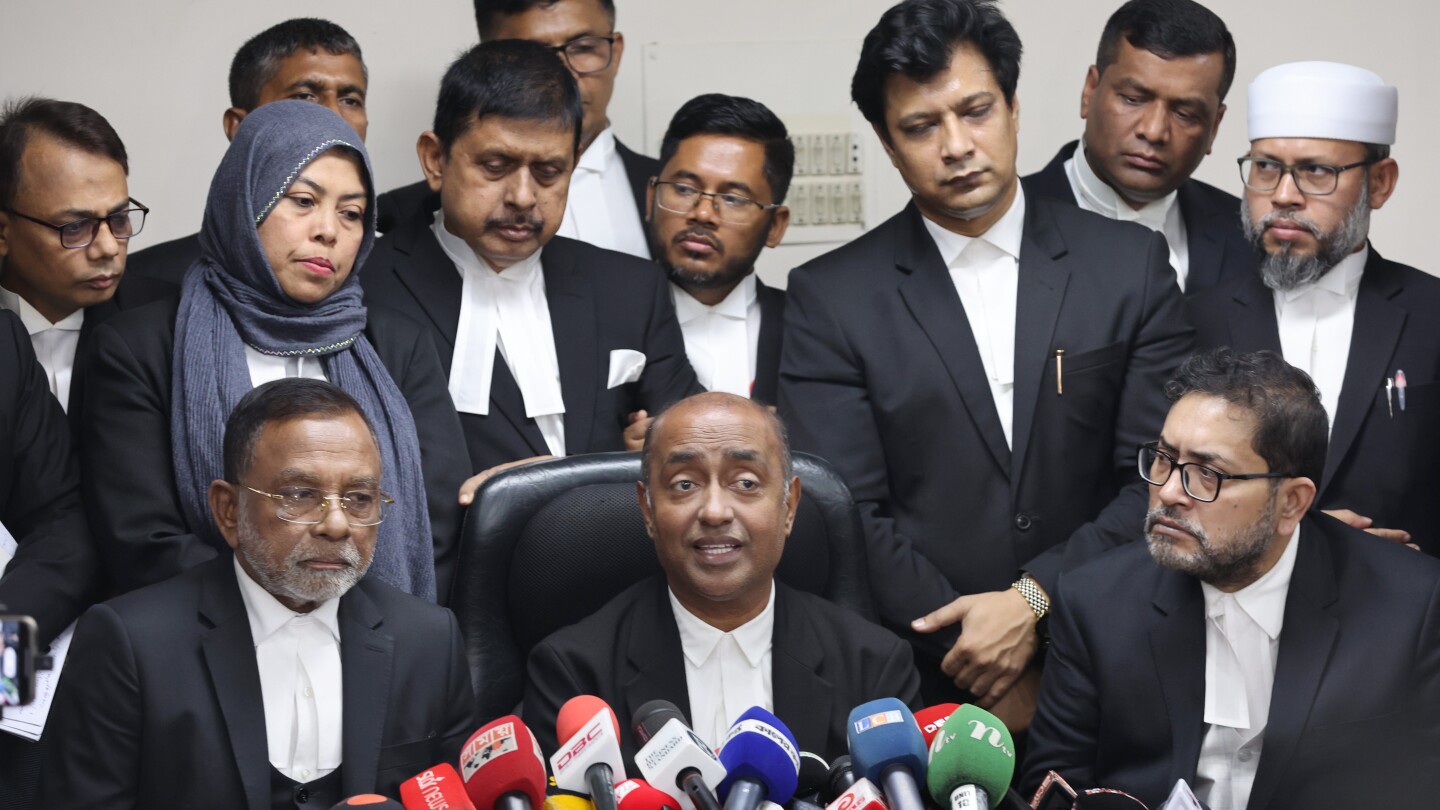
In a landmark decision on Thursday, Bangladesh’s Supreme Court reinstated the nonpartisan caretaker government system for national elections, a move hailed as a step toward ensuring electoral fairness. However, the ruling clarified that the system would not apply to the upcoming elections scheduled for early next year. The caretaker system, first introduced in 1996, was widely regarded as a cornerstone of democratic integrity in Bangladesh, a parliamentary democracy of 170 million people. It facilitated two subsequent elections in which retired chief justices led nonpartisan governments, ensuring smooth transitions of power within 90 days. The 2008 elections were also conducted under a former central bank governor. Despite its initial success, the system was abolished in 2011 under then-Prime Minister Sheikh Hasina, following political disputes. Critics accused Hasina of manipulating future elections, a claim underscored by the controversial 2014, 2018, and 2024 elections, which were marred by allegations of credibility issues. The Bangladesh Nationalist Party (BNP), led by Hasina’s rival Khaleda Zia, boycotted the 2014 and 2024 polls, demanding the restoration of the caretaker system. The Supreme Court’s unanimous ruling on Thursday addressed two appeals and four petitions seeking a review of the 2011 verdict. The court stated that the caretaker system would be reinstated for the 14th national election since Bangladesh’s independence in 1971 but would not affect the 13th post-independence vote, which will be overseen by the interim government led by Nobel Peace Prize laureate Muhammad Yunus. Attorney General Mohammed Asaduzzaman praised the decision, calling it a milestone for Bangladesh’s democracy. Meanwhile, the BNP welcomed the ruling, with party leader Amir Khasru Mahmud Chowdhury describing it as the dawn of a new era. The decision comes amid a turbulent political climate, with Hasina in exile in India following her ousting in August 2024 and subsequent death sentence for crimes against humanity. Analysts warn that Bangladesh faces a challenging path ahead as it navigates this critical juncture under Yunus’s leadership.
Bangladesh Supreme Court restores nonpartisan caretaker system but not for next elections