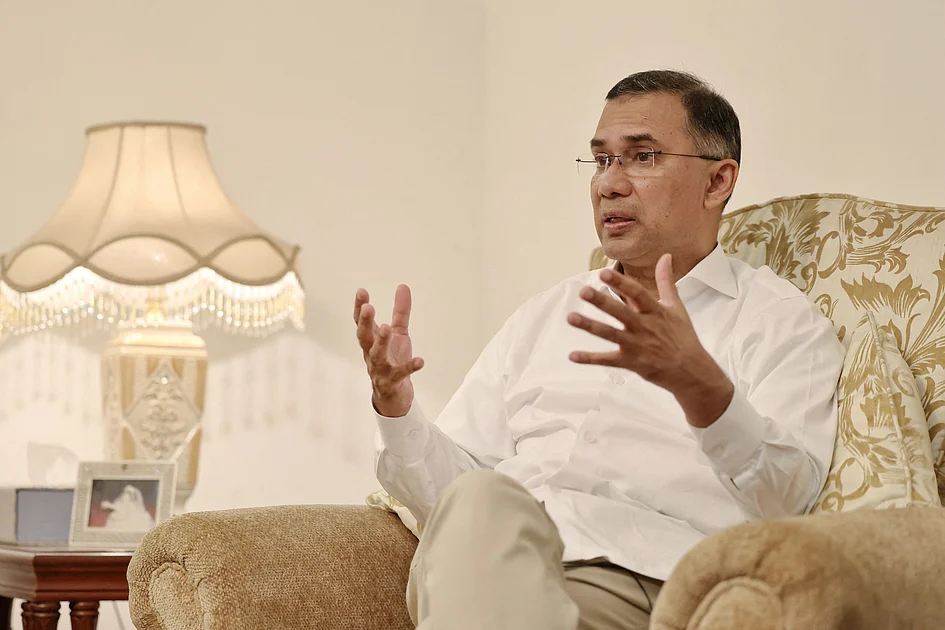
In a definitive political stance, Bangladesh Nationalist Party (BNP) leader Tarique Rahman has outright rejected proposals for a post-election unity government from rival Jamaat-e-Islami, expressing unwavering confidence in his party’s ability to secure victory independently in the upcoming February 12 parliamentary elections.
The 60-year-old opposition leader, who recently returned from nearly two decades of exile in London following the youth-led uprising that ousted long-time leader Sheikh Hasina, made these declarations during an exclusive interview at his party headquarters. Rahman’s political heritage is deeply entrenched in Bangladeshi politics, being the son of the nation’s first female Prime Minister Khaleda Zia and former president Ziaur Rahman.
The political landscape presents a complex dynamic with the resurgent Jamaat-e-Islami, previously banned but now emerging as the BNP’s primary competitor. This alliance includes a Gen Z party that gained prominence during the anti-Hasina protests that rocked the nation in 2024. Despite opinion polls forecasting a competitive race, Rahman’s aides project the BNP will secure more than two-thirds of the 300 parliamentary seats, with the party contesting 292 constituencies directly.
Addressing international relations, Rahman outlined a pragmatic foreign policy approach, emphasizing that Bangladesh would maintain relationships based on economic benefits rather than political allegiances. This statement gains significance against the backdrop of strained relations with India, which granted shelter to the exiled Sheikh Hasina after a Dhaka court sentenced her to death for her role in the deadly crackdown on protests. The situation has created diplomatic opportunities for China to expand its influence in the region.
Regarding the Rohingya refugee crisis, Rahman committed to maintaining Bangladesh’s humanitarian stance, affirming that the nearly 1.2 million refugees would be welcome until safe repatriation to Myanmar becomes feasible. This position acknowledges both the humanitarian imperative and the substantial economic challenges facing one of the world’s most densely populated nations.
The election marks a critical juncture for Bangladesh’s democracy, representing the first electoral process since the collapse of Hasina’s government and the establishment of an interim administration in August 2024. The outcome will determine the political direction of a nation seeking stability after prolonged turmoil that significantly impacted its vital garment industry.