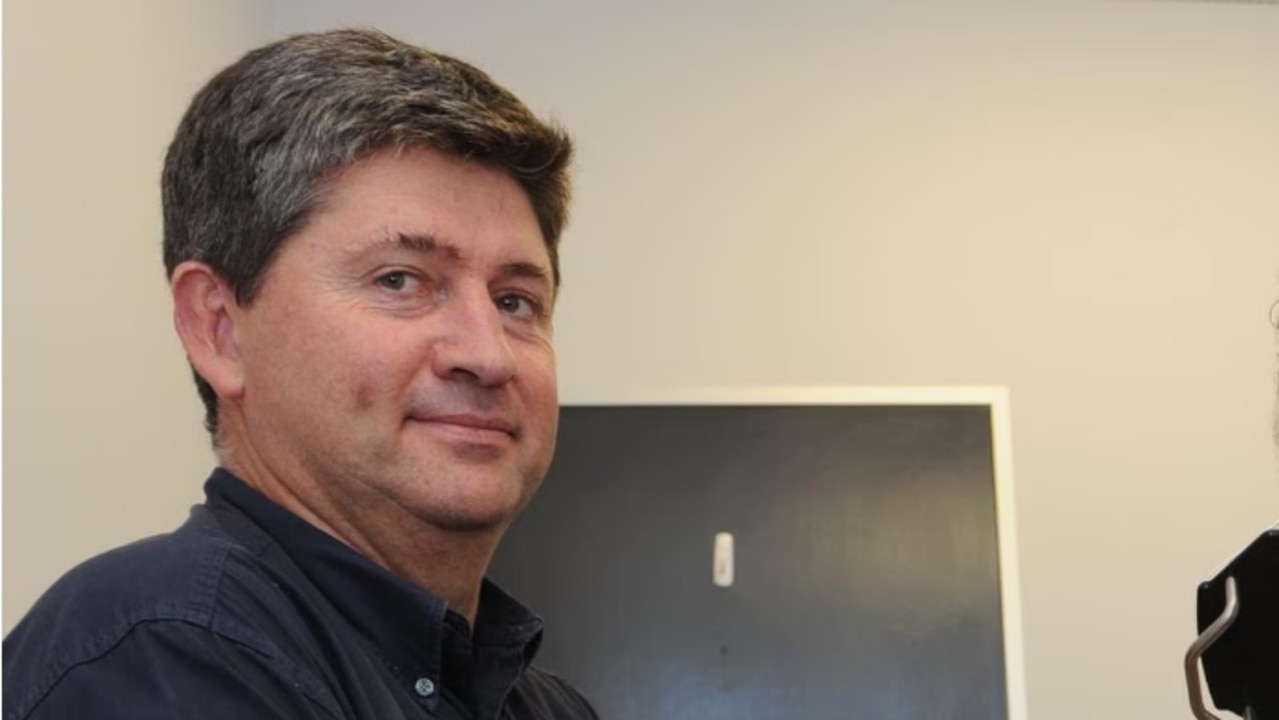
A decades-long career in general practice has come to an abrupt 18-month suspension for a South Australian physician, after a disciplinary tribunal found he repeatedly violated a standing ban on promoting controversial low-level laser therapy (LLLT) to his patients. The South Australian Civil and Administrative Tribunal handed down the ruling against Mark Rogers, a long-serving Adelaide-based GP who admitted to an ‘almost delusional, unhealthy obsession’ with the alternative treatment.
The saga of Rogers’ unauthorized practice stretches back more than a decade, court documents show. Seven years ago, regulators first barred Rogers from offering LLLT to his patients, after confirming he made misleading claims about what the therapy could achieve. Most infamously, Rogers had publicly asserted LLLT could be used to treat Alzheimer’s disease, a claim he has since admitted was entirely false.
Rather than adhering to the 2016 ban, the tribunal found Rogers intentionally and blatantly ignored the regulatory order for years, continuing to steer patients toward LLLT throughout the following decade. The Medical Board of Australia eventually referred the case to the tribunal, bringing six separate misconduct charges against Rogers. Those charges covered failures to deliver adequate patient care, failures to disclose clear conflicts of interest, inappropriate financial and commercial arrangements with a patient, distribution of false and misleading medical information, breaches of a formal agreement with the national medical board, and violations of the conditions of his medical registration.
The tribunal upheld all six allegations, confirming that Rogers provided inadequate treatment and dangerous inappropriate advice through his repeated recommendations of LLLT. LLLT, sometimes called cold laser therapy, is a non-invasive procedure that uses low-intensity infrared light, marketed most commonly for pain management and inflammation reduction. The treatment remains deeply controversial in mainstream medicine, with multiple independent clinical trials finding LLLT produces outcomes no better than a placebo for most patients.
What made Rogers’ violations more serious, the tribunal noted, was the undisclosed personal financial stake he held in the therapy, creating an unreported conflict of interest that put his commercial gain ahead of patient welfare. In his testimony to the tribunal, Rogers acknowledged his problematic fixation on LLLT, stating he now hates the treatment and regrets ever becoming involved with it.
However, the tribunal panel ruled that this belated admission was not enough to warrant leniency. ‘While we accept that Dr Rogers admits his behaviour, it cannot be overlooked that he has, in a sense, been forced into compliance by these proceedings against the background of the previous disciplinary orders,’ the tribunal’s finding read. ‘On our assessment of him during his evidence, we do not consider that he has developed sufficient and sincere insight into his behaviour.’
The ruling cancels Rogers’ medical practitioner registration immediately and bars him from reapplying for his license for a period of 18 months. In explaining the harsh penalty, the panel emphasized it was designed to protect the public and reinforce trust in the Australian medical system. ‘We believe that the public will be properly protected, that their faith in the medical profession can be restored and that a very strong message will be sent to the medical profession, in particular that dishonest conduct towards the health regulators and disregard for orders of a disciplinary tribunal will not be tolerated and will be met with harsh sanctions,’ the ruling stated.