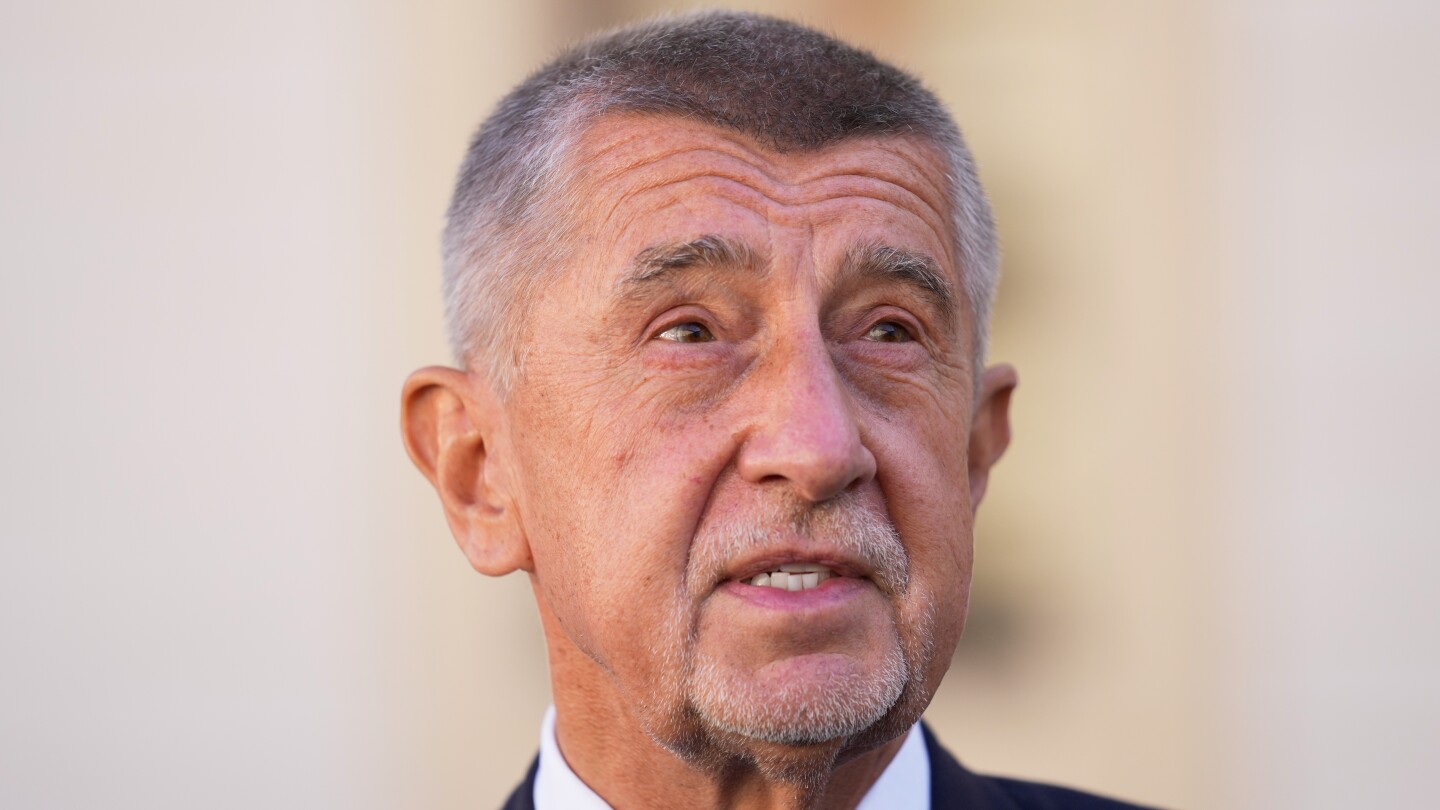
In a dramatic political comeback, billionaire Andrej Babiš and his ANO movement have secured their most significant electoral victory since their inception in 2011. This triumph marks a pivotal moment in Czech politics, as Babiš, often compared to former U.S. President Donald Trump, has reasserted his influence despite earlier setbacks. His populist rhetoric, which blames the ruling coalition for issues ranging from the energy crisis to inflation, resonated deeply with voters. Babiš has pledged to reverse the controversial increase in the state pension age and halt aid to Ukraine, while mocking Prime Minister Petr Fiala for his pro-Ukraine stance. This victory not only solidifies Babiš’s political career but also signals a potential shift in Czechia’s foreign policy, aligning it more closely with pro-Russian nations like Hungary and Slovakia. Babiš has already announced plans to abandon a Czech initiative that supplies artillery shells to Ukraine and opposes NATO’s increased defense spending commitments. Domestically, Babiš faces ongoing legal challenges, including fraud charges related to EU subsidies, and must navigate a fragmented parliament to form a stable government. His return to power raises questions about the future of Czechia’s relationship with the EU and NATO, as well as the stability of its domestic policies.
Babiš is back: Billionaire’s return steers Czechia away from Ukraine and toward Hungary and Slovakia